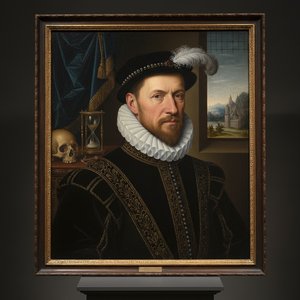
Početak života i rani utjecaji Hansa Baldunga Griena
Rođen oko 1485. godine u Slobodnom Carstvenom Gradu Schwäbisch Gmündu, smještenom među valovitim brežuljcima Bavarske, Hans Baldung – zauvijek prepoznat kao Hans Baldung Grien zbog njegove sklonosti nošenju zelene odjeće – iznikao je iz neočekivano učene obitelji. Za razliku od mnogih renesansnih umjetnika koji su slijedili uspostavljene obiteljske zanate, Baldung je bio prvi muškarac u generacijama kojem nije bila suđena studija na sveučilištu. Njegov otac, Johann Baldung, cijenjeni pravnik koji je služio Biskupskoj kuriji Strasbourga, zamislio je sličan put za svog sina. Međutim, mladi Hans je odabrao kist i dlijeto, krenuvši na umjetnički put koji će ga učiniti jednom od najizrazitijih i zagonetnijih figura njemačke renesanse. Ova odluka nije bila odbacivanje njegovog odgoja, već preusmjeravanje intelektualne znatiželje – karakteristika koja je prožimala cijelo njegovo djelo. Njegovo rano obrazovanje započelo je oko 1500. godine u Gornjem Rajnu s umjetnikom iz Strasbourga, postavljajući temelje za njegove tehničke vještine prije nego što je potražio istaknutije majstore da usavršava svoj zanat. Ovo početno razdoblje usadilo mu je temelj crtanja i kompozicije, pripremajući ga za strogo umjetničko okruženje koje ga je čekalo u Nürnbergu.
Pod krilom Dürera i kovanje individualnog stila
Ključni trenutak u Baldungovom razvoju nastupio je 1503. godine kada je postao učitelj u radionici Alberta Dürera u Nürnbergu. Ovo je razdoblje bilo duboko formativno, izlažući ga minucioznim detaljima, intelektualnoj strogosti i inovativnim tehnikama grafičkog rada koje su definirale Dürerov stil. Razvili su bliski odnos; Baldung je čak vodio Dürerovu radionicu tijekom majstorova boravka u Veneciji. Međutim, iako duboko pod utjecajem Dürera – što se očituje u ranim djelima koja pokazuju precizno crtanje i sjeverni realizam – Baldung je brzo počeo kovati vlastiti umjetnički identitet. Upojio je lekcije renesansnih majstora, ali ih je obogatio jedinstvenom njemačkom osjetljivošću, karakteriziranom izražajnom bojom, maštovitim kompozicijama i sve većom uznemirujućom psihološkom dubinom. Ovo odstupanje od Dürerova više klasičnog pristupa postalo je obilježje zrelog stila Baldunga. Njegovo vrijeme u Veneciji, nadgledajući Dürerove poslove, također ga je izložilo rastućoj talijanskoj renesansnoj umjetničkoj sceni, proširujući njegove umjetničke horizonte i suptilno utječući na njegovu paletu boja i kompozicijske izbore. Vratio se iz Italije s pojačanim osjećajem boje i voljnosti eksperimentirati s prostornim aranžmanima koji su ga razlikovali od suvremenika.
Majstor mnogih medija: teme i tehnike
Hans Baldung Grien bio je umjetnik izvanredne svestranosti, vješt u slikanju, grafičkom radu – posebno drvorezima i bakropisima – crtanju, dizajnu tapiserije, pa čak i izradi vitraža. Njegova su djela često mala ulja prepuna zagonetnih alegorija i mitoloških priča, prikazanih živopisnom paletom boja i prepoznatljivim osjećajem prostorne dvosmislenosti. Odlično je uspijevao u portretiranju, hvatajući sličnost svojih mecena s realizmom i psihološkim uvidom. Međutim, možda je najpoznatiji po svojim drvorezima danas. Ovi otisci karakteriziraju dramatične kompozicije, složeni detalji i često makabrični predmeti. U njegovu radu se ponavlja fascinacija vješticama, smrću i nadnarodnim – odraz tjeskobe i uvjerenja koja su prevladavala u Njemačkoj u 16. stoljeću. Njegovi prikazi vještica su posebno upečatljivi, prikazujući ih ne kao stereotipne starice, već kao složene, čak i privlačne figure, utjelovljujuće strah i fascinaciju. *Očarani mladoženja*, na primjer, je jezivo evocativno djelo koje sažima ovu opsesiju tamnijom stranom ljudskog iskustva. Baldungova tehnika u drvorezu bila je majstorstvo; iskoristio je sposobnost medija za oštre kontraste i složene detalje kako bi stvorio slike koje su bile vizualno zadivljujuće i psihološki uznemirujuće.
Strujanja reformacije i trajno nasljeđe
Baldungova karijera odvijala se u razdoblju ogromnih vjerskih i političkih previranja, obilježenih usponom protestantske reformacije. Iako nije bio otvoreno poravnat s nijednom frakcijom, njegov rad često odražava promjenjivi duhovni krajolik Njemačke. Njegov monumentalni visoki oltar za grad Münster, dovršen 1531. godine, svjedočanstvo je ove uključenosti, pokazujući potporu pokretu reformacije kroz svoju ikonografiju i stilski izbor. Godine 1545., Baldung je umro u Strasbourgu, ostavljajući iza sebe djelo koje nastavlja očaravati i intrigirati gledatelje danas. Njegov utjecaj se može vidjeti u radovima kasnijih njemačkih umjetnika, a njegova jedinstvena mješavina renesansne tehnike, sjevernog ekspresionizma i alegorijske složenosti osigurava mu mjesto kao značajna figura u povijesti umjetnosti. Ostaje umjetnik čiji rad poziva na promišljanje, izazivajući nas da se suočimo s tamnijim aspektima ljudske prirode i misterijama nevidljivog svijeta. Njegovo istraživanje tema poput vještica i smrtnosti nastavlja odjekivati u suvremenoj publici, čineći ga bezvremenskom i uvjerljivom figurom u panteonu renesansnih majstora.
Muzeji i zbirke
Baldungova djela mogu se pronaći u istaknutim muzejima diljem Europe i Sjeverne Amerike:
- Gemäldegalerie Alte Meister, Dresden, Njemačka: Ovaj poznati muzej posjeduje značajnu zbirku europskih slika iz 15. do 18. stoljeća, pružajući dragocjen kontekst za razumijevanje Baldungova umjetničkog miljea.
- Nacionalna galerija umjetnosti, Washington D.C.: NGA posjeduje nekoliko važnih drvoreza i crteža Baldunga, nudeći uvid u njegove tehnike grafičkog rada i umjetnički proces.
- J. Paul Getty Museum, Los Angeles: Predstavlja djela koja pokazuju širinu Baldungova talenta.
- Kunstmuseum Basel, Švicarska: Muzej s bogatom zbirkom koja obuhvaća različita razdoblja, nudeći šire razumijevanje renesansne umjetnosti u Europi.
Ove institucije pružaju mogućnosti da iz prve ruke doživite zadivljujuću umjetnost i trajno nasljeđe Hansa Baldunga Griena.



 Pregledaj u stvarnoj veličini
 Kupi ručno naslikanu sliku
 Pošalji
 Podijeli
 Detalji o umjetničkom djelu

 Preuzmi
 Slični predmeti
 Rentgenska snimka
 Automatska prezentacija
 Statistika


 Prikaži više






































 Opcija stakla dostupna je samo za dimenzije manje od 110 cm