BESPLATNE UMJETNIČKE KONSULTACIJE

x
Naručite reprodukciju Naručite reprodukcijuKupi digitalnu sliku Kupi digitalnu sliku PošaljiPošalji
DetaljiDetalji Dodaj u omiljene Dodaj u omiljene PreuzmiPreuzmi Slični predmetiSlični predmeti Rentgenska snimkaRentgenska snimka Automatska prezentacijaAutomatska prezentacija

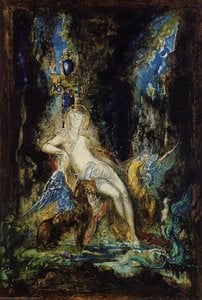
Chimera

Pariz Francuska Gustav Moreau Moreau Iskužite očarujuću simbolističku umjetnost Gustavea Moreaua (1826-1898), poznat po mitološkim i biblijskim slikama poput 'Salome'. Utjecao je Matissea i Rouaulta. Otkrijte njegov sanjski svijet! Gustav Moreau, Simbolizam, Francuski umjetnik, Mitološka umjetnost, Salome, Moreau slike, Alegorička umjetnost, 19. stoljeća umjetnost

Giclée / Umjetnički otisak

Giclée tisak muzejske kvalitete ili otisak na platnu uz brzu proizvodnju i fleksibilne opcije završne obrade.

P118B $10
P118H $10
P118W $10
P438Z $10
P508JH $12
P508YH $12
P805H $10
P805Z $10
P919BZ $10
P919G $10
P919XJ $10
P959ZH $10
P968JZ $12
W106C $8
W218G $10
W218JH $8
W218Y $10
W307PJ $10
W316G $10
W316PJ $8
W316Y $10
W398PJ $8
W4111J $10
W500HY $15
W500JH $15
W692G $12
W849H $8
W940BG $15
W953PJ $8

Standard
custom
CM
INCH

Odaberite jednu od naših unaprijed definiranih veličina koje odgovaraju izvornim proporcijama umjetničkog djela.

širina
visina

Možete unijeti vlastite dimenzije kako biste umjetničko djelo prilagodili specifičnom okviru ili prostoru. Ako odabrana veličina ne odgovara proporcijama izvornog rada, izrezat ćemo dio slike ili je proširiti pomoću ogledalnog efekta ili jednobojne rubne površine. Digitalni prikaz (mockup) bit će vam poslan na odobrenje prije početka proizvodnje.
Imajte na umu da pregled na zaslonu ne odražava stvarno izrezivanje ili proširivanje. Samo će mockup točno prikazati konačnu kompoziciju.
Iako su dostupne prilagođene veličine, preporučujemo odabir dimenzije iz unaprijed definirane liste kako biste očuvali izvorne proporcije.

Dostava širom svijeta () u roku od 2 tjedna umjesto standardnih 4/5 tjedana. (5 Srpanj)

why_choose_icon
Besplatna ekspresna dostava širom svijeta
why_choose_icon
Visokokvalitetno laneno platno
why_choose_icon
Potpuno osiguranje dostave
why_choose_icon
Jamstvo povrata carine i uvoznih poreza
why_choose_icon
Garancija vjernog podudaranja boja
why_choose_icon
Politika povrata u roku od 60 dana (samo u slučaju nedostataka)
why_choose_icon
Jamstvo povrata 100% novca
why_choose_icon
Popust na više proizvoda

Ukupna cijena

-

reproduction

Chimera

Giclée / Umjetnički otisak

Veličina reprodukcije

-

Ukupna cijena

-

Osnovne informacije

  • Medium: Watercolor
  • Year: 1884
  • Title: Les Chimères
  • Artistic style: Symbolist
  • Subject or theme: Mythology; Fantasy
  • Notable elements or techniques: Dreamlike imagery; Mythological symbolism
  • Movement: Symbolism

Kviz o umjetnosti

Svako pitanje ima samo jedan točan odgovor.

Pitanje 1:
What artistic movement is Gustave Moreau’s ‘Chimera’ associated with?
Pitanje 2:
The painting depicts two women prominently featured. What is one notable element about their attire and posture?
Pitanje 3:
What contributes to the ethereal atmosphere of ‘Chimera’? Consider elements like color palette and depiction of celestial bodies.
Pitanje 4:
According to the description, what type of rock formations are present in the background?
Pitanje 5:
The image description mentions a bird located near the top right corner. What role might this bird symbolize within the context of Moreau’s Symbolist aesthetic?

Opis djela

A Vision of Mythic Hybridity: Exploring Gustave Moreau’s “Chimera”

Gustave Moreau's "Chimera," painted around 1884, stands as a cornerstone of Symbolist art—a movement that prioritized emotion and imagination over mere representation. More than just a depiction of fantastical beasts, it embodies the core tenets of Symbolism: an attempt to capture inner psychological states through evocative imagery rooted in mythology and folklore. This watercolor captures a scene brimming with otherworldly beauty and unsettling mystery, inviting viewers into a realm where dreams intertwine with primal fears.

Subject Matter & Composition

The painting centers on two women positioned atop intertwined serpents—a motif prevalent throughout Symbolist art reflecting anxieties about feminine power and the duality of nature. One woman dominates the composition, radiating an aura of regal composure while simultaneously conveying vulnerability. Her wings suggest ascension, hinting at spiritual aspiration yet simultaneously anchoring her to earthly concerns. Beside her floats another figure, seemingly propelled upwards by unseen forces—a representation of ethereal grace and perhaps a yearning for transcendence. The inclusion of a bird perched prominently in the upper right corner reinforces this theme of flight and symbolizes freedom, albeit within a constricted space.

Style & Technique: Symbolist Aesthetics

Moreau’s masterful technique exemplifies the Symbolist preoccupation with meticulous detail and luminous color palettes. Watercolor lends itself beautifully to capturing subtle gradations of tone and creating an atmospheric haze—essential for conveying mood and enhancing the painting's dreamlike quality. The artist employs a flattened perspective, characteristic of Symbolism, prioritizing expressive color over accurate spatial realism. Notice how Moreau utilizes blues and golds to establish a serene yet opulent backdrop, mirroring the ethereal luminescence of the figures themselves. The rock formations on either side serve as grounding elements, juxtaposed against the expansive sky—a deliberate contrast designed to heighten the painting’s emotional impact.

Historical Context & Influences

“Chimera” emerged during a period of profound intellectual ferment in Paris—the Belle Époque—marked by burgeoning interest in psychoanalysis and spiritualism alongside a rejection of positivist dogma. Moreau drew inspiration from classical mythology, particularly tales of monstrous hybrids like the Chimera itself—a creature composed of lion, goat, and serpent—representing chaos and primal instinct. He was deeply influenced by Dante Alighieri’s *Inferno*, whose depiction of Hell as a landscape of tormented souls resonated powerfully with Symbolist artists seeking to explore the darker recesses of human consciousness.

Symbolism & Emotional Resonance

Beyond its visual splendor, “Chimera” operates on multiple symbolic levels. The serpents represent temptation and duality—the feminine principle intertwined with destructive forces. The wings symbolize aspiration but also confinement—reflecting the struggle between desire and repression. The bird embodies freedom yet is trapped within the confines of the composition—underscoring the elusive nature of spiritual enlightenment. Ultimately, Moreau’s painting evokes a sense of unease mingled with wonder—a contemplation on the complexities of human experience and the enduring power of myth to illuminate our deepest fears and aspirations. It's a piece that lingers in the mind long after viewing, prompting reflection on themes of beauty, terror, and transcendence.

Biografija umjetnika

A Dream Weaver of Symbolism: The Life and Art of Gustave Moreau

Gustave Moreau, a name synonymous with the ethereal beauty and enigmatic depths of Symbolist painting, emerged from 19th-century Paris as a singular artistic voice. Born in 1826 into a bourgeois family—his father an architect and archivist—Moreau’s early life was steeped in intellectual curiosity and aesthetic sensibility. From a young age, he displayed a remarkable gift for drawing, nurtured through traditional academic training at the École des Beaux-Arts under figures like François-Édouard Picot. However, Moreau's artistic path would diverge sharply from the prevailing Realist and Impressionist currents of his time. He wasn’t interested in capturing fleeting moments or objective reality; instead, he sought to unlock the hidden realms of myth, religion, and the human psyche through a deeply personal and symbolic visual language. His journey was one of inward exploration, translating subjective emotions and spiritual yearnings onto canvas with an obsessive attention to detail and a vibrant, often opulent palette.

The Forge of Imagination: Influences and Artistic Development

Moreau’s artistic development wasn't born in a vacuum. While rejecting the dominant trends of his era, he drew inspiration from diverse sources. The dramatic use of color and exotic subject matter found in the works of Eugène Delacroix resonated deeply with him, igniting a passion for narrative painting imbued with emotional intensity. He also held Renaissance masters like Michelangelo and Leonardo da Vinci in high esteem, admiring their mastery of composition, anatomy, and psychological insight. Yet, Moreau wasn’t merely imitating these artists; he was synthesizing their influences into something entirely new. His travels to Italy in the 1850s proved pivotal, immersing him in the art of antiquity and the Renaissance, providing a wealth of motifs and stylistic cues that would populate his future works. He meticulously copied Old Master paintings, not as an exercise in replication, but as a means of absorbing their techniques and unlocking their secrets. This dedication to craft, combined with his burgeoning interest in mythology and literature, laid the foundation for his unique artistic vision. Moreau’s formative years were marked by a profound engagement with intellectual currents shaping European thought. He devoured texts on philosophy, psychology, and mythology—particularly those exploring Jungian archetypes and Freud's psychoanalytic theories—influencing his artistic explorations into the subconscious mind. His fascination with Dante Alighieri’s *Inferno* fueled his imaginative depictions of hellish landscapes and tormented figures, reflecting a preoccupation with confronting existential anxieties. Simultaneously, he cultivated an admiration for the grandeur and spiritual solemnity of Byzantine art, absorbing its stylistic conventions—particularly the use of gold leaf—which would become integral to his distinctive artistic style.

A World of Symbols: Themes and Techniques

Moreau’s paintings are not simply illustrations of myths or biblical stories; they are complex allegories that invite contemplation and interpretation. He delved into narratives like those of Salome, Orpheus, Jupiter and Semele, and countless others, not to retell them literally, but to explore their underlying psychological and spiritual truths. His canvases teem with symbolic imagery—serpents representing temptation, jewels signifying earthly desires, and figures embodying abstract concepts like grief, loss, or redemption. He masterfully created a dreamlike atmosphere through intricate detail, rich textures, and an often unsettling juxtaposition of light and shadow. Moreau’s technique was characterized by meticulous layering of paint, creating surfaces that shimmer with iridescent colors and evoke a sense of otherworldly beauty. His use of gold leaf further enhanced this effect, lending his works a Byzantine quality that underscored their spiritual dimension. He wasn't concerned with capturing realistic textures or perspectives; instead, he prioritized the expressive power of color and form to convey mood and meaning. Moreau’s artistic output spanned decades, resulting in over 15,000 paintings, watercolors and drawings—a testament to his unwavering commitment to his craft. Among his most celebrated works are *Salome Dancing before Herod*, a dramatic portrayal capturing the seductive allure of biblical myth; *Jupiter and Semele*, showcasing Moreau’s masterful composition and vibrant color palette; *Orpheus*, exploring themes of artistic inspiration and loss through evocative imagery; *The Apparition*, depicting an ethereal scene imbued with spiritual symbolism; and *Desdemona*, portraying Shakespeare's tragic heroine with poignant sensitivity. His paintings continue to captivate audiences today, offering glimpses into the hidden depths of the human soul and reminding us of the enduring power of art to transcend the boundaries of reality.

Legacy and Influence: The Enduring Power of Symbolism

Though initially met with mixed reactions, Moreau became a central figure in the burgeoning Symbolist movement during the 1890s. Unlike some of his contemporaries who actively sought public attention, he remained somewhat reclusive, preferring to work independently and avoid artistic debates. However, his influence was undeniable. He accepted a professorship at the École des Beaux-Arts, where he profoundly impacted generations of artists, including Henri Matisse and Georges Rouault. He encouraged his students to embrace imagination, symbolism, and individual expression, urging them to break free from conventional artistic norms. Moreau’s unwavering belief in the transformative potential of art—particularly its ability to communicate profound psychological truths—established him as a pioneer of modern aesthetic thought. The Musée Gustave Moreau, housed in his former studio and home in Paris, stands as a poignant memorial to his life's work—a sanctuary where visitors can immerse themselves in the mesmerizing world of this extraordinary artist.

Gustav Moreau

Gustav Moreau

1826 - 1898 , Francuska

Osnovne informacije

  • Artistic Movement Or Style: Simbolizam
  • Artists Or Movements Influenced By This Artist:
    • Henri Matisse
    • Georges Rouault
  • Artists Who Influenced This Artist:
    • Eugène Delacroix
    • Michelangelo
    • Leonardo da Vinci
  • Date Of Birth: 6. svibnja 1826.
  • Date Of Death: 18. travnja 1898.
  • Full Name: Gustave Moreau
  • Nationality: Francuz
  • Notable Artworks:
    • Salome Dansujući Pred Herodom
    • Jupiter I Semele
    • Orfeus
    • Pozorje
    • Desdemona
  • Place Of Birth: Pariz, Francuska
Istražite umjetnička djela organizirana prema temama, stilovima i karakteristikama.