Rani život i umjetnički počeci
Gustav Klimt, rođen 14. srpnja 1862. u Baumgartenu kod Beča, izrastao je iz obitelji obilježene kako umjetničkom nastrojenošću tako i financijskim poteškolama. Njegov otac, Ernst Klimt, bio je gravir zlatom, zanimanje koje je na mladog Gustava imalo suptilan, ali dubok utjecaj na njegov estetski osjećaj – privlačnost pozlaćenih listova, pomnoća detalja, sama raskoš. Obiteljske su nedaće značile česte selidbe unutar Beča, što je možda dovelo do Gustava kao oštroumnog promatrača okoline i senzibilnog prema ljudskom iskustvu. Iako još djetinjac, pokazivao je iznimne vještine crtanja, potaknute očevim zanimanjem i urođenim talentom koji se brzo razvijao. Godine 1876., upisuje Bečku školu za primijenjene umjetnosti (Kunstgewerbeschule), započinjući formalno obrazovanje u slikarstvu arhitektonskih dekoracija pod vodstvom Ferdinanda Laufbergera. To mu je pružilo čvrstu tehničku osnovicu, ali ga i izložilo prevladavajućim akademskim stilovima – stilovima koje će Klimt kasnije osporiti i nadmašiti. Upravo ondje formira važan umjetnički savez sa svojim bratom Ernstom i Franzom von Matschom, suradnja koja je osigurala ranu narudžbu za dekorativne zidne slike i stropove, postavljajući temelj za njegov budući uspjeh.
Uspon Bečke secesije
Već 1890-ih Klimt postaje sve razočarani konzervativnim umjetničkim krugovima u Beču. Žudio je veće kreativne slobode, prostora u kojem bi inovacija mogla napredovati bez ograničenja tradicije. Ta želja kulminirala je osnivanjem Bečke secesije 1897., ključnog trenutka u austrijskoj povijesti umjetnosti. Klimt je izabran za prvog predsjednika, postajući simbol pokreta koji je nastojao odmaknuti se od krutih akademskih normi i prihvatiti nove umjetničke struje koje su preplavljivale Europu – Art Nouveau, Simbolizam i Japonizam. Sam paviljon Bečke secesije, dizajniran od strane Josepha Maria Olbricha, postao je simbol tog odbijanja, hram posvećen modernoj umjetnosti. Klimtovo djelo bilo je središnje u duhu secesije, utjelovljujući njezino odbacivanje konvencionalne estetike i prihvaćanje dekorativnih elemenata, hrabrih boja i simboličke slike. Njegove su slike počele istraživati teme ljubavi, smrti i seksualnosti s bez presedana otvorenošću, izazivajući društvene norme i potičući kako divljenje tako i bijes.
Zlatna faza i umjetnička zrelost
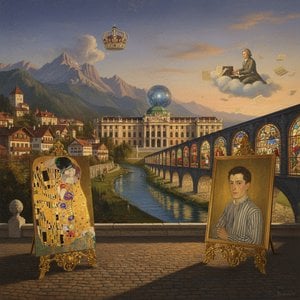
Otprilike od 1900. godine Klimt ulazi u ono što je sada poznato kao njegova "zlatna faza", razdoblje obilježeno raskošnom uporabom pozlaćenih listova inspiriranih vizigotskim mozaicima i srednjovjekovnim iluminiranim rukopisima. Ova tehnika pretvorila je njegove slike u sjajne, izvanjske vizije, prožete osjećajem duhovne dubine i senzualnog privlačenja. *Poljubac* (1907-1908), možda njegovo najpoznatije djelo, savršeno ilustrira ovaj stil – par zarobljen u zagrljaju, obavijen zlatnom aurom, njihova tijela ukrašena složenim uzorcima. Tijekom tog razdoblja Klimt je producirao i niz zapanjujućih portreta, uključujući *Portret Adele Bloch-Bauer I* (1907), koji je pokazivao njegovu sposobnost ne samo da uhvati fizičku sličnost, već i psihološku složenost svojih subjekata. Sve više je izbrisivao granice između slikarstva i ukrasa, integrirajući dekorativne elemente u svoje kompozicije kako bi stvorio skladno spajanje oblika i sadržaja. Utjecaj japanske umjetnosti – Japonizma – bio je posebno primjetan u njegovoj spljoštenoj perspektivi, naglasku na liniji i upotrebi ukrasnih uzoraka.
Kontroverze, utjecaji i trajni nasljeđ
Klimtova karijera nije bila bez kontroverzi. Godine 1900., primio je prestižnu narudžbu za oslikavanje stropnih freski za Veliku dvoranu Bečke univerzitetske zgrade, prikazujući Filozofiju, Pravo i Teologiju. Međutim, ove su radove – posebno *Filozofiju* – konzervativni kritičari smatrali provokativnima pa čak i pornografskim, što je dovelo do javnog bijesa i na kraju ga natjeralo da odbije daljnje javne narudžbe. Ovaj incident predstavljao je prekretnicu u njegovoj karijeri, gurajući ga prema privatnom pokroviteljstvu i omogućujući mu veću umjetničku slobodu. Tijekom svog života Klimt je bio pod utjecajem raznolikog raspona umjetnika i stilova – od povijesnih slika Hansa Makarta do dekorativne umjetnosti Vizigota i Japana. Inspiraciju je crpio i iz Simbolističkog pokreta, istražujući teme mitologije, alegorije i podsvjesnog. Gustav Klimt nastavio je slikati obilno sve do svoje smrti 6. veljače 1918., od posljedica moždanog udara tijekom španjolske gripe. Njegova kasnija djela istraživala su apstraktnije oblike i krajolike, što pokazuje stalnu umjetničku evoluciju. Sada je prepoznat kao jedna od najvažnijih figura u austrijskoj povijesti umjetnosti, vodeći predstavnik Bečke secesije i trajni simbol Art Nouveau elegancije.
Njegova djela postižu visoke cijene na aukcijama, a njegov utjecaj nastavlja rezonirati u suvremenoj umjetnosti i dizajnu.
Ključne karakteristike & Umjetnički stil
- Simbolizam: Klimtovo je djelo duboko simboličko, često istražuje teme ljubavi, smrti, seksualnosti i ljudskog stanja.
- Art Nouveau: Bio je vodeća figura u Art Nouveau pokretu, obilježen organskim linijama, dekorativnim uzorcima i naglaskom na ljepoti.
- Zlatna faza: Njegova upotreba pozlaćenih listova stvorila je sjajne, raskošne površine koje su postale njegovim prepoznatljivim stilom.
- Dekorativni elementi: Klimt je integrirao dekorativne elemente u svoje kompozicije, izbrisavajući granice između slikarstva i ukrasa.
- Žensko obličje: Žensko tijelo bilo je središnja tema u njegovom radu, često prikazano sa senzualnošću i psihološkom dubinom.



 Pregledaj u stvarnoj veličini
 Kupi ručno naslikanu sliku
 Pošalji
 Podijeli
 Detalji o umjetničkom djelu

 Preuzmi
 Slični predmeti
 Rentgenska snimka
 Automatska prezentacija
 Statistika


 Prikaži više






































 Opcija stakla dostupna je samo za dimenzije manje od 110 cm