Prodajte


x
-
Kupi
Izrada unikatnih slika po narudžbi Personalizirani umjetnički printovi Pretvorite svoju fotografiju u umjetničko remek-djelo Pretražite prema temama Kupujte prema prostoriji Asistent za uređenje: Dnevni boravak Asistent za uređenje: Ured Pretražite prema prigodi Kupite dostupne slikeIstražite naše kreacije Istražite ateljee partnera Preuzmite besplatne preporuke umjetnina Vodič za kolekcionare: Kako odabrati svoje prvo remek-djelo Vodič za uređenje interijera umjetničkim reprodukcijama Servisi za poklone Vodič za poslovno poklanjanje umjetnina Moja košarica Moj profil, Favoriti, Narudžbe
-
Umjetnici
Svi umjetnici Najpoznatijih 100 umjetnika Prema umjetničkim razdobljima Abecedno Svi mediji Svi umjetnički mediji Prema zemlji rođenja Prema povijesnom razdoblju Prema emociji Prema emocionalnim tonovima Prema fazama razvoja karijerePrema bojama umjetnina Prema godini rođenja Prema intenzitetu boja Prema korpusu djela Poznati umjetnici koji su promijenili svijet Uspon umjetnica Renesansni majstori Suvremeno naručivanje umjetnina Način našeg suradničkog rada s privatnim kolekcionarima Izrada umjetničkog portfelja za korporativni sektor
- Umjetnička djela
- Tehnike i stilovi
- Muzeji
-
Članci
Svi članci Najpopularnijih 100 članaka Prema ključnim riječima Prema kategorijama Prema tonu pisanja Povijesni pregled umjetnosti Vodič kroz osnove kolekcioniranja umjetnina Upoznavanje s umjetničkim pravcima Remek-djela kroz povijestBoja i emocija u umjetnosti Kako izlagati umjetnost u domu Umjetnost i emocija: Dekoriranje prema vibracijama i raspoloženju Savjeti za uređenje po prostorijama Kurirani sezonski odabiri Umjetnost kao investicija Korporativna umjetnost: Unijetite kreativnost u svoj ured Pokloni za vjenčanja i godišnjice Priče i iskustva naših kupaca
-
Usluge
Od fotografije do slike Od fotografije do umjetničkog printa Vaša fotografija u obliku umjetničkog remek-djela Umjetnički savjetnik Pošaljite upit za ponudu Ekskluzivne VIP narudžbe Procjena umjetnina Prodajte kao galerija Besplatna kuracija umjetnina Preuzmite besplatne prijedloge umjetnina Od fotografije do slike: Putovanje personaliziranih portreta Postupak slikanja

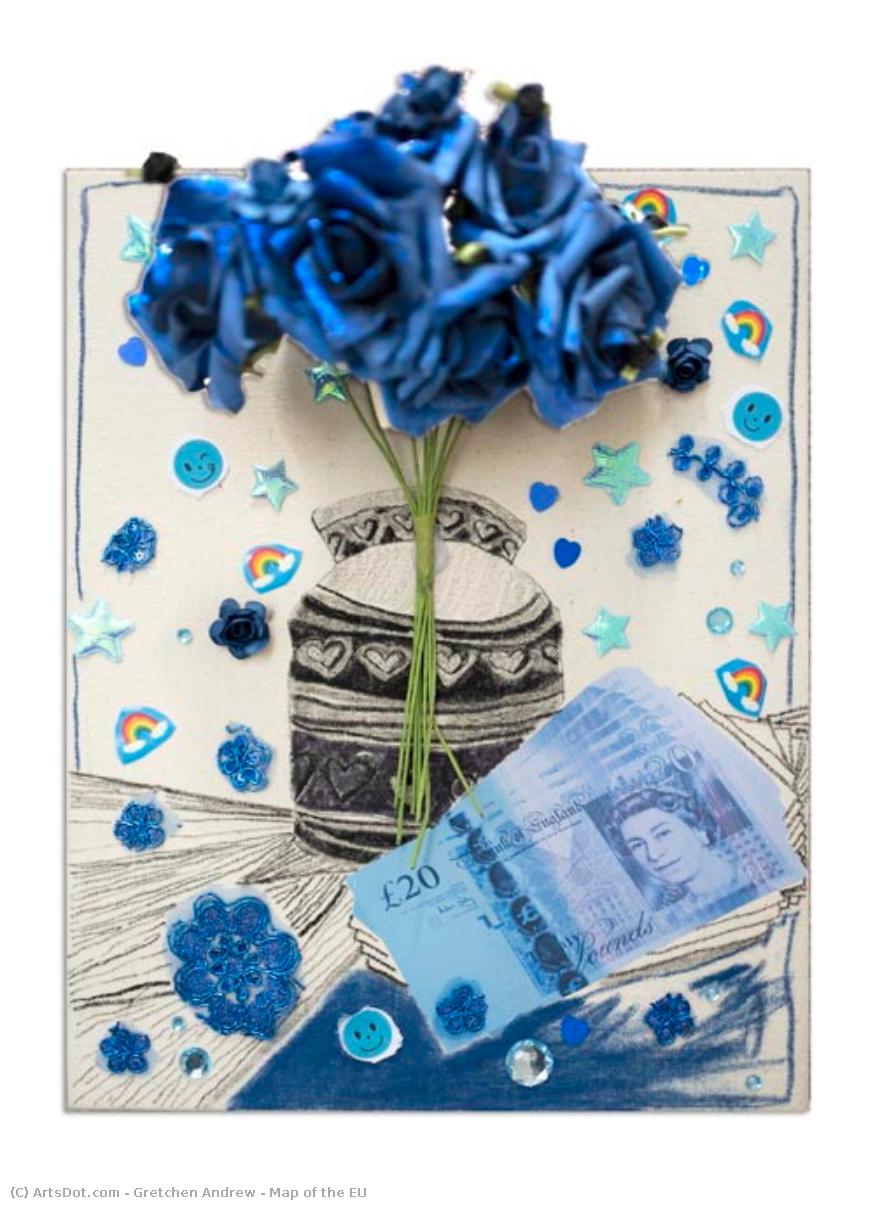
 Pregledaj u stvarnoj veličini
 Kupi ručno naslikanu sliku
 Pošalji
 Podijeli
 Detalji o umjetničkom djelu

 Preuzmi
 Slični predmeti
 Rentgenska snimka
 Automatska prezentacija


 Prikaži više






































 Opcija stakla dostupna je samo za dimenzije manje od 110 cm