


Giclée tisak muzejske kvalitete ili otisak na platnu uz brzu proizvodnju i fleksibilne opcije završne obrade. ( Kupi ručno naslikanu sliku Kupi digitalnu sliku)





























Odaberite jednu od naših unaprijed definiranih veličina koje odgovaraju izvornim proporcijama umjetničkog djela.

Možete unijeti vlastite dimenzije kako biste umjetničko djelo prilagodili specifičnom okviru ili prostoru. Ako odabrana veličina ne odgovara proporcijama izvornog rada, izrezat ćemo dio slike ili je proširiti pomoću ogledalnog efekta ili jednobojne rubne površine. Digitalni prikaz (mockup) bit će vam poslan na odobrenje prije početka proizvodnje.
Imajte na umu da pregled na zaslonu ne odražava stvarno izrezivanje ili proširivanje. Samo će mockup točno prikazati konačnu kompoziciju.
Iako su dostupne prilagođene veličine, preporučujemo odabir dimenzije iz unaprijed definirane liste kako biste očuvali izvorne proporcije.
Dostava širom svijeta () u roku od 2 tjedna umjesto standardnih 4/5 tjedana. (6 Rujan)


Annunciation
Veličina reprodukcije

To walk through the artistic landscape of the Italian Middle Ages is to encounter a tapestry woven with piety, human drama, and breathtaking technical skill. Among the masters who shaped this visual narrative was Giovanni da Balduccio. Born in Pisa around 1290, his life spanned a period of profound cultural transformation, allowing him to absorb the lingering echoes of classical grandeur while simultaneously pioneering the expressive vocabulary of the Gothic style. He was not merely a craftsman; he was a visionary whose hands breathed life into cold marble, imbuing religious figures with an almost startling sense of immediate humanity.
His early training and travels were formative experiences that sharpened his artistic edge. It is whispered that the shadow of Andrea Pisano loomed large over his development, suggesting a lineage of Pisan sculptural excellence. While direct collaboration remains unproven, the sheer quality and sophistication evident in his later works speak to an artist deeply immersed in the highest traditions of Italian stone carving.
Giovanni da Balduccio’s signature was a remarkable synthesis—a harmonious marriage between the structural idealism inherited from classical antiquity and the emotional, soaring verticality characteristic of the Gothic movement. His technique demanded an intimate understanding of the material; marble, for him, was not just stone, but a medium capable of capturing fleeting emotion and divine grace simultaneously. This mastery is nowhere more evident than in his monumental commissions.
Consider the Shrine of St. Peter Martyr, a piece housed within the Basilica of Sant'Eustorgio in Milan. Such works are not simply decorative; they are theological statements rendered in three dimensions. They require an almost architectural understanding of how light will play across carved drapery, how weight will be suggested on a figure standing against a vast portal, and how narrative tension can be held captive within polished stone. His ability to execute such intricate detail while maintaining monumental scale speaks to unparalleled technical prowess.
His influence was not confined to one city or style; rather, it spread across key centers of artistic patronage. The Portal of the Church of the Brera in Milan stands as a testament to his skill in large-scale architectural sculpture, where every carved figure contributes to a unified, breathtaking facade narrative. Furthermore, his contributions to sites like San Casciano in Val di Pesa and the creation of the monument for Guarniero in Sarzana demonstrate a versatility that few contemporaries could match.
These achievements place him at a crucial juncture in art history. He was working during an era when artistic patronage was deeply intertwined with civic pride and religious devotion, forcing artists to operate at the apex of both technical execution and symbolic meaning. His work provided models for subsequent generations, solidifying his legacy as a pivotal figure whose touch elevated medieval sculpture from mere craft to high art.
The enduring significance of Giovanni da Balduccio lies in his ability to bridge epochs. He helped guide the trajectory of Italian sculpture away from purely Romanesque solidity toward the more emotionally resonant and structurally complex forms that would define the later Renaissance. His figures possess a palpable sense of life—a realism tempered by spiritual elevation. To study his work is to witness an artist grappling with profound human questions using only chisels and hammers.
His legacy endures in the very understanding of Gothic sculpture itself, reminding us that behind every magnificent carving lies the disciplined hand and inspired mind of a master artisan like Giovanni da Balduccio.

1290 - 1349 , Italy

Explore the exquisite elegance of Late Gothic art. Discover how masters like Carlo Crivelli and Stefan Lochner blended intricate detail and religious devotion to bridge the Middle Ages and the Renaissance in this expert art history guide for true connoisseurs.
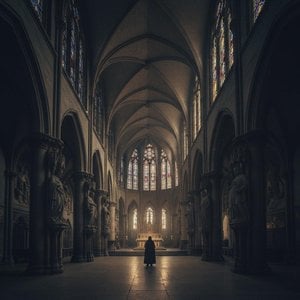
Embark on a journey through the dramatic era of Gothic art. Discover the profound beauty of illuminated manuscripts, sacred gold leaf masterpieces, and the transition to naturalism in this expert-led exploration of medieval artistry and historical grandeur.

Embark on a scholarly journey through the spiritual grandeur of Late Medieval art. Discover the intricate symbolism, technical mastery, and profound religious narratives that define the Gothic era in this expert-led guide for art enthusiasts and collectors.

 Pregledaj u stvarnoj veličini
 Pošalji
 Podijeli
 Detalji o umjetničkom djelu

 Preuzmi
 Slični predmeti
 Rentgenska snimka
 Automatska prezentacija

 Prikaži više







 Opcija stakla dostupna je samo za dimenzije manje od 110 cm


