Pregledaj u stvarnoj veličini Isprobaj u AR-u Prebacite na prodaju printova Naručite ručno oslikano reprodukciju Podijeli
Detalji Vodič Dodaj u omiljene Preuzmi datoteku Slični predmeti Rentgenska snimka Slide show Statistika

Street Scene

A vibrant depiction of daily urban life unfolds in this 1939 social realism masterpiece by Gerard Sekoto, capturing the rhythmic essence of a street corner and inviting you to bring this piece of history into your home.

Gerard Sekoto (1913-1993) was a pioneering South African artist renowned for his urban black art & social realism paintings depicting everyday life. Exhibited internationally, he captured the spirit of Sophiatown and beyond.

Kupite digitalnu sliku visoke rezolucije i poboljšane kvalitete, koja je znatno superiornija od online prikaza.

Svaku datoteku pedantno pripremaju naši internim stručnjaci koristeći napredne alate i vještinsku ručnu retušu. Osiguravamo da svaka slika ima iznimnu jasnoću, preciznu točnost boja i vrhunsku razinu detalja.

Konačna datoteka dostavlja se putem e-pošte u roku od 72 sata, optimizirana za neposrednu upotrebu u profesionalnim, uredničkim i tiskarskim okruženjima. To je ista kvaliteta kojoj vjeruju vrhunski studiji dizajna, izdavači i galerije.

Digitalna slika

Preuzmite datoteku visoke rezolucije za osobnu izložbu, tisak i kreativne projekte. ( Prebacite na prodaju printova Naručite ručno oslikano reprodukciju)

Ukupna cijena

$ 24,90

Uključeno uz svaku narudžbu digitalne slike

Stručna digitalna dostava, zajamčena

Odabirom WahooArt.com ne dobivate samo sliku – dobivate profesionalno unapređeno digitalno umjetničko djelo, izrađeno s najvećom preciznošću uz jamstvo zadovoljstva. Evo svega što automatski dolazi uz vašu narudžbu:

shipping_icon
Brza dostava e-poštom

Vaša digitalna slika visoke rezolucije bit će vam poslana e-mailom u roku od 72 sata od trenutka narudžbe – spremna za neposrednu upotrebu.

canvas_icon
Digitalna datoteka uz pomoć AI-a

Vaše umjetničko djelo profesionalno je optimizirano pomoću naprednih AI alata i ručnog uređivanja, čime se osigurava maksimalna razina detalja, oštrine i točnosti boja.

insurance_icon
Besplatna doživotna ponovna dostava

Slučajno ste obrisali ili izgubili svoju datoteku? Ne brinite – ponovno ćemo vam je poslati u bilo kojem trenutku, potpuno besplatno.

tax_icon
Bez uvoznih pristojnika – ikada

Uživajte u svojim umjetničkim djelima trenutno, bez carina, pristojbi ili troškova dostave – digitalni downloadi uvijek su oslobođeni poreza.

color_icon
Jamstvo točnosti boja

Uz pomoć profesionalnih alata i upravljanja bojama, osiguravamo da vaša digitalna slika što vjernije odražava izvorne boje.

return_icon
Jamstvo zadovoljstva u trajanju od 100 dana

Ako niste zadovoljni svojom digitalnom slikom, revidirat ćemo je ili vratiti 100% iznosa u roku od 100 dana – bez suvišnih pitanja.

guarantee_icon
100% Jamstvo povrata novca

Niste zadovoljni? Osigurajte puni povrat novca u roku od 100 dana od primitka digitalne datoteke – bez suvišnih pitanja.

discount_icon
Popusti na velike narudžbe

Kupite 3 slike, uštedite 10% - Kupite 5 slika, uštedite 15% - Kupite 10+ slika, uštedite 20%. Odlično za kreativne projekte, galerije i agencije.

Brzi pregled

  • Year: 1939
  • Artist: Gerard Sekoto
  • Subject or theme: Daily life and urban street activity
  • Title: Street Scene
  • Dimensions: 40 x 30 cm

A Window into the Soul of Sophiatown

In the quiet, rhythmic pulse of 1939, Gerard Sekoto captured a moment that transcends mere observation, offering instead a profound meditation on human existence. Street Scene is not simply a depiction of urban movement; it is a lyrical composition of daily life, where the mundane becomes monumental. Through his masterful lens, we are transported to a bustling corner where the labor of two men—one clutching a bucket, the other a shovel—serves as the grounded, tactile foundation of the piece. This scene of construction and toil is juxtaposed with the casual stillness of a seated figure, creating a beautiful tension between progress and repose. The painting breathes with the vitality of a community in motion, inviting the viewer to step into a world where every gesture, from the carrying of a heavy object to the simple act of standing still, tells a story of resilience and shared humanity.

The technique employed by Sekoto reflects his deep roots in social realism, a style that demands both technical precision and emotional honesty. The artist utilizes a palette that captures the dusty, sun-drenched atmosphere of the street, using light to define form and create depth within the 40 x 30 cm canvas. There is a rhythmic quality to the placement of the figures; the background characters—one burdened by a large object, another navigating the crowd with a backpack—act as echoes of the foreground activity, weaving a complex tapestry of social interaction. The brushwork, while controlled, possesses an organic warmth that softens the edges of the urban environment, turning a simple street corner into a stage for a timeless human drama.

For the discerning collector or interior designer, Street Scene offers much more than aesthetic beauty; it provides a profound historical and emotional anchor. As a pioneer who reshaped the perception of Black identity in South Africa, Sekoto’s work carries an inherent dignity that is palpable on the canvas. This piece serves as a sophisticated focal point for any curated space, bringing with it a sense of narrative depth and historical weight. Whether placed in a contemporary gallery setting or a classic study, the painting evokes a sense of nostalgia and respect for the enduring spirit of urban life. It is an invitation to contemplate the beauty found in the everyday, making it an invaluable acquisition for those who seek art that speaks to both the eye and the conscience.


Biografija umjetnika

A Voice of Sophiatown: The Legacy of Gerard Sekoto

Gerard Sekoto (1913-1993) stands as a monumental figure in South African art history, recognized not merely for his artistic output but for fundamentally reshaping perceptions of Black identity and experience during the turbulent era of apartheid. Born in the quiet Lutheran Mission Station of Botshabelo, Mpumalanga, he emerged from humble beginnings—the son of Andreas Sekoto, a clergyman deeply involved in establishing the Wonderhoek Diocesan School—to become one of the foremost champions of urban black art and social realism. His early life was a tapestry woven with religious faith and musical tradition; introduced to the family harmonium at a young age, he cultivated a lifelong passion for music that would forever inform the rhythmic soul of his visual compositions. His formative years in the Eastern Transvaal provided a foundation of intellectual discipline, as his education at Wonderhoek prepared him for a vocation as a teacher. However, the call of the canvas proved irresistible. Sekoto’s artistic journey began to gain formal momentum during his studies at Diocesan Teachers Training College in Pietersburg, where he honed his skills and gained recognition through art competitions. A pivotal moment arrived when he secured second prize in the May Esther Bedford Competition, an achievement that propelled him into the spotlight and solidified his determination to pursue a career dedicated to visual storytelling.

The Pulse of the City and the Dawn of Social Realism

In 1938, driven by an ambition to immerse himself within the burgeoning Black artistic community, Sekoto relocated to Johannesburg. This move proved transformative. In the vibrant, multi-racial energy of the city, he began to capture the essence of urban life with an unflinching honesty that would define his legacy. It was during this period that he encountered influential figures such as Judith Gluckman, who introduced him to the techniques of oil painting, allowing his work to transition from simple sketches to rich, textured explorations of light and human emotion. His arrival in Johannesburg marked a historic milestone for South African institutions; in 1940, the Johannesburg Art Gallery acquired one of his works, making him the first Black artist to have his art entered into a museum collection in the country. His paintings became vital historical records of pre-apartheid communities, specifically the lively, bustling neighborhoods of Sophiatown and later District Six in Cape Town. Through his brush, the everyday struggles and joys of ordinary people were elevated to the status of high art. He utilized social realism not just as a technique, but as a profound tool for dignity, portraying the humanity of the impoverished Black population with a grace that defied the dehumanizing laws of the era.

Exile, Evolution, and Eternal Significance

As the political landscape of South Africa darkened under the imposition of apartheid, Sekoto’s life took a more nomadic and bittersweet path. Leaving South Africa in 1947, he spent much of his later life in Europe, most notably in Paris. While physical distance separated him from his homeland, the spirit of South Africa remained the heartbeat of his work. Even while living abroad, he continued to draw profound inspiration from the landscapes and people of his birthright, ensuring that the memory of the vibrant townships remained etched in the global art consciousness. The significance of Gerard Sekoto’s oeuvre extends far beyond the borders of South Africa. His work has been exhibited internationally, from Stockholm and Venice to Washington and Senegal, earning him a place among the great modernists of the twentieth century. His legacy is defined by several enduring contributions:
  • Pioneering Urban Black Art: He broke the silence of the colonial era by centering the Black urban experience in fine art.
  • Mastery of Social Realism: He used realistic depictions to document social truths and advocate for the visibility of marginalized communities.
  • Cultural Bridge-Building: His ability to navigate both the rural traditions of his youth and the cosmopolitan influences of Paris created a unique, hybrid aesthetic.
  • Historical Preservation: His paintings serve as irreplaceable visual archives of South African neighborhoods that were later destroyed by forced removals.
Today, Sekoto is remembered not just as a painter, but as a witness. His life’s work remains a cornerstone of African cultural history, a testament to the resilience of the human spirit and the power of art to reclaim identity in the face of oppression.

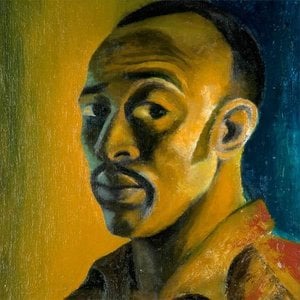
Gerard Sekoto

Gerard Sekoto

1913 - 1993 , South Africa

Osnovne informacije

  • Artistic Movement Or Style: Urban Black Art & Social Realism
  • Date Of Birth: 1913
  • Date Of Death: 1993
  • Full Name: Gerard Sekoto
  • Nationality: South African
  • Notable Artworks:
    • Washerwomen
    • The Jazz Band
    • Prayer in Church
  • Place Of Birth: Botshabelo, South Africa