Biografija umjetnika
Život i djelo Georga Seurata: Pionirom svjetlosne preciznosti
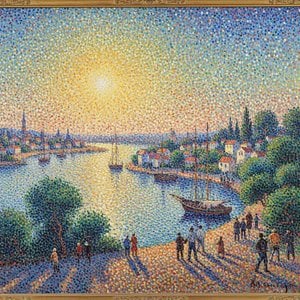
Georges Pierre Seurat, rođen u Parizu 2. prosinca 1859., zauvijek je promijenio tok umjetnosti, premošćujući jaz između impresionizma i moderne umjetnosti. Njegova kratka, ali iznimno intenzivna karijera revolucionirala je slikanje razvojem poentilizma – tehnike temeljene na znanstvenim principima i neumornom potragom za optičkom istinom. Seuratova priča je priča o pomatnoj opservaciji, intelektualnoj strogosti i dubokoj osjetljivosti prema nijansama svjetla i boje - kvalitete koje su ga izdvajale od njegovih suvremenika i nastavljaju fascinirati publiku diljem svijeta. Njegov raniji život, iako naizgled konvencionalan, postavio je temelj za njegove buduće umjetničke istraživanja. Obitelj se ubrzo nakon rođenja preselila na Boulevard de Magenta, a njegov otac, Antoine Chrysostome Seurat, bivši pravni službenik pretvoren u poduzetnika, osigurao mu je udobno odrastanje koje je mladom Georgesu omogućilo pristup umjetničkom obrazovanju. Počeo je formalnu obuku u École Municipale de Sculpture et Dessin pod vodstvom kipara Justina Lequiena, a potom se upisao na prestižnu École des Beaux-Arts 1878., gdje je učio kod Henria Lehmanna. Te godine su u njega utisnule čvrsti temelj tradicionalnih tehnika, no već tada se nazirala jedinstvena umjetnička osobnost – spoj nježne osjetljivosti i rastuće fascinacije sistematskom analizom.
Od akademskih korijena do kromoluminarizma
Seuratov umjetnički razvoj nije bio nagli skok u inovaciju, već postupna evolucija potaknuta intelektualnom znatiželjom i rigoroznim eksperimentiranjem. U početku je njegov rad odražavao akademske standarde vremena, demonstrirajući vještinu crtanja i poštovanje prema uspostavljenim kompozicijskim principima. Međutim, ubrzo je počeo s dovogjavanjem tih konvencija, tražeći pristup slikanju koji bi bio više znanstveni. Uronio se u rastuću oblast teorije boja, proučavajući spise znanstvenika poput Michela Eugènea Chevreula i Ogdina Rooda, koji su istraživali optičke efekte poredanih boja. Ovo istraživanje postalo je kamen temeljac njegove revolucionarne tehnike, kromoluminarizma – nauke o boji – i njene praktične primjene, poentilizma. Osnovna ideja bila je izrazito jednostavna: nanošenje malih, odvojenih točaka čiste boje na platno, oslanjajući se na oko gledatelja da ih optički pomiješa i stvori živahni, luminiozni efekt. To nije bilo samo o postizanju svjetlijih boja; radilo se o razumijevanju kako ljudski vizualni sustav percipira svjetlo i boju te iskorištavanju tog znanja za stvaranje dinamičnijeg i privlačnijeg iskustva slikanja. Pažljivo je pripremao svoje kompozicije velikih formata s crtežima olovkom Conté na grubom papiru, pažljivo mapirajući položaj svake točke, demonstrirajući gotovo matematičku preciznost u svom umjetničkom procesu.
Prepoznatljivi ostaci: Glavna djela i umjetnička vizija
Kulminacija Seuratovog istraživanja i eksperimentiranja možda je najbolje predstavljena u Nedjelja poslijepodne na otoku La Grande Jatte (1884-1886), monumentalnom djelu koje je obilježilo početak neoimpresionizma. Ovo ikonično djelo, koje prikazuje Parižance koji uživaju opušteno popodne uz Seenu, pokazuje njegov poentilistički pristup u punom sjaju. Figure, prikazane kao pažljivo postavljene točke boja, djeluju poput svjetlucanja i vibriranja s svjetlom, stvarajući atmosferu smirene tišine. Alfalfa, Saint-Denis (1886-1887) demonstrira njegovu primjenu teorije boja na ruralni krajolik, dok su ranija djela poput Krajolika u Saint-Ouenu (1882-1883) otkrivaju njegov evoluirajući stil i rastući interes za hvatanje efekata svjetla i atmosfere. Čak su i prikazi modernog pariškog života, kao što je Eiffelov toranj (1889), transformirani njegovom jedinstvenom tehnikom, pokazujući skladnu kombinaciju industrijske moderne i umjetničke inovacije. Kupači u Asnièresu (1884), još jedno značajno djelo, istraživao je teme razonode i modernog života s njegovim karakterističnim stilom, najavljujući rafiniraniji pristup vidljiv na *La Grande Jatte*. Ta djela nisu bila samo reprezentacije scena; bili su pažljivo konstruirani vizualni eksperimenti dizajnirani za istraživanje mogućnosti boje i percepcije.
Trajna ostavština: Utjecaj i povijesni značaj
Unatoč tragično kratkom životu – Seurat je umro u dobi od 31 godine 1891. – njegov utjecaj na svijet umjetnosti bio je dubok i dalekosežan. Njegovo djelo je izazvalo tradicionalne umjetničke konvencije, otvarajući put brojnim kasnijim pokretima. Naglasak na subjektivnom izražaju i istraživanju novih tehnika rezonirao je s umjetnicima koji su težili oslobođenju od akademskih ograničenja. Seuratov utjecaj može se vidjeti u djelima fauvista, koji su prihvatili jarke boje i ekspresivne poteze kistom; kubista, koji su dekonstruirali oblike u geometrijske figure; i apstraktnih ekspresionista, koji su prioritet davali emocionalnoj intenzivnosti i spontanom gestu. Njegov znanstveni pristup slikanju, iako je prvobitno bio kontroverzan, na kraju je proširio definiciju umjetničke mogućnosti. Pokazao je da može biti istodobno intelektualno rigorozna i emotivno evocirajuća, sinteza koja nastavlja inspirirati umjetnike i danas. Seuratova ostavština seže izvan njegovih tehničkih inovacija; ostavio je za sobom djelo koje hvata suštinu modernog života s nezavidnom preciznošću i ljepotom, čvrsto utvrđujući svoje mjesto kao pravog pionirom moderne umjetnosti. Njegova djela ostaju svjedočanstva moći opservacije, eksperimentiranja i neprestane ljudske želje da razumiju svijet oko sebe kroz leću umjetničkog izražavanja.



 Pregledaj u stvarnoj veličini
 Naručite ručno oslikano reprodukciju
 Podijeli
 Podijeli
 Detalji
 Vodič
Vodič

 Preuzmi datoteku
 Slični predmeti
 Rentgenska snimka
 Slide show
 Statistika

 Pročitajte više






































 Opcija stakla dostupna je samo za dimenzije manje od 110 cm