Pregledaj u stvarnoj veličiniPregledaj u stvarnoj veličini AR pregledAR pregled Switch to Print Switch to PrintKupi ručno naslikanu sliku Kupi ručno naslikanu sliku PošaljiPošalji
Detalji o umjetničkom djeluDetalji o umjetničkom djelu Dodaj u omiljene Dodaj u omiljene PreuzmiPreuzmi Slični predmetiSlični predmeti Rentgenska snimkaRentgenska snimka Automatska prezentacijaAutomatska prezentacija StatsStats

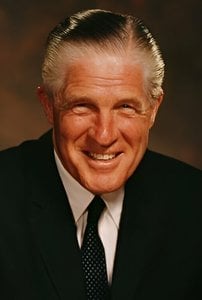
Possibly William Thomas Meyer

Admire George Romney's masterful portraiture style in this captivating depiction of an elegant gentleman dressed in crimson attire – a timeless piece reflecting the grandeur of the late 18th century.

George Romney bio je poznat engleski slikar koji je živio u XVIII stoljeća i oslavio se svojim elegantnim stilom i portretima koje je napravio za visok društvo. Poznat je po djelu "Peter and James Romney", "Portrait of G. Cowper" i "The Death of General Wolfe". Izvorno je iz Dalton-in-Furness, UK.

Kupite digitalnu sliku visoke rezolucije i poboljšane kvalitete, koja je znatno superiornija od online prikaza.

Svaka datoteka pedantno je pripremljena od strane naših internih stručnjaka koristeći napredne alate i vještinsku ručnu retušu. Osiguravamo da svaka slika ima iznimnu jasnoću, preciznu točnost boja i visoku razinu detalja.

Konačna datoteka dostavlja se putem e-pošte u roku od 72 sata, optimizirana za neposrednu upotrebu u profesionalnim, uredničkim i tiskarskim okruženjima. To je ista kvaliteta kojoj vjeruju vrhunski studiji dizajna, izdavači i galerije.

Digitalna slika

Preuzmite datoteku visoke rezolucije za osobnu izložbu, tisak i kreativne projekte. (Switch to Print Switch to PrintKupi ručno naslikanu sliku Kupi ručno naslikanu sliku)

Ukupna cijena

$ 24,90

Uključeno uz svaku narudžbu digitalne slike

Profesionalna digitalna dostava, zajamčena

Odabirom WahooArt.com ne dobivate samo sliku – dobivate profesionalno unapređeno digitalno umjetničko djelo, izrađeno s najvećom preciznošću uz jamstvo zadovoljstva. Evo svega što automatski dolazi uz vašu narudžbu:

shipping_icon
Brza dostava e-poštom

Vaša digitalna slika visoke rezolucije bit će vam poslana e-mailom u roku od 72 sata od narudžbe – spremna za neposrednu upotrebu.

canvas_icon
Digitalna datoteka poboljšana AI-om

Vaše umjetničko djelo profesionalno je optimizirano pomoću naprednih AI alata i ručnog uređivanja, čime se osigurava maksimalna razina detalja, oštrine i točnosti boja.

insurance_icon
Besplatna ponovna dostava doživotno

Slučajno ste obrisali ili izgubili svoju datoteku? Ne brinite – ponovno ćemo vam je poslati u bilo kojem trenutku, potpuno besplatno.

tax_icon
Bez uvoznih carina – ikada

Uživajte u svojim umjetničkim djelima trenutno, bez carina, pristojbi ili troškova dostave – digitalne datoteke uvijek su oslobođene poreza.

color_icon
Jamstvo točnosti boja

Uz pomoć profesionalnih alata i upravljanja bojama, osiguravamo da vaša digitalna slika što vjernije odražava izvorne boje.

return_icon
Jamstvo zadovoljstva u trajanju od 100 dana

Ako niste zadovoljni svojom digitalnom slikom, revidirat ćemo je ili vratiti 100% iznosa u roku od 100 dana – bez suvišnih pitanja.

guarantee_icon
100% Jamstvo povrata novca

Niste zadovoljni? Osigurajte puni povrat novca u roku od 100 dana od primitka digitalne datoteke – bez suvišnih pitanja.

discount_icon
Popusti na velike narudžbe

Kupite 3 slike, uštedite 10% - Kupite 5 slika, uštedite 15% - Kupite 10+ slika, uštedite 20%. Odlično za kreativne projekte, galerije i agencije.

Osnovne informacije

  • Notable elements or techniques: Visible brushstrokes, Soft lighting
  • Subject or theme: Portraiture
  • Location: Private Collection
  • Influences: Romanticism
  • Medium: Oil on canvas
  • Artistic style: Romneyesque
  • Title: Possibly William Thomas Meyer

A Gaze Through Time: The Soul of Regency Elegance

In the quietude of George Romney’s Possibly William Thomas Meyer, one finds more than just a mere likeness; one encounters a profound moment of psychological stillness captured forever in oil. Painted during the twilight of the eighteenth century, between 1795 and 1802, this portrait serves as a window into the refined dignity of the British Regency era. The subject, whether indeed the enigmatic William Thomas Meyer or another gentleman of status, gazes outward with an expression that is simultaneously present and deeply introspective. It is an arresting stillness—a gaze that seems to look through the viewer, lost in a private world of contemplation. For the collector or the lover of classical portraiture, this piece offers a rare opportunity to possess a fragment of history, embodying the grace and social poise that defined an entire epoch.

The emotional resonance of the work lies in its ability to bridge the gap between the sitter and the spectator. There is no performative bravado here, only a soft, dignified vulnerability. This subtle emotional depth makes the painting an exceptional choice for sophisticated interiors, where it can serve as a focal point of quiet strength, inviting long periods of reflection and conversation.

The Mastery of Light and Venetian Influence

To understand the brilliance of this portrait, one must look closely at Romney’s technical virtuosity. Heavily influenced by the grand traditions of Venetian masters and the contemporary prestige of Joshua Reynolds, Romney moved away from the stiff, formal rigidity that often plagued aristocratic commissions of his time. Instead, he embraced a more fluid, naturalistic approach. His technique involved the meticulous application of thin, translucent glazes over a preparatory underpainting, a method that allows light to penetrate the layers of pigment and reflect back, creating a luminous, lifelike quality in the subject's skin.

The artist’s palette is a masterclass in subtle contrast. Using natural pigments such as ochre, umber, and ivory black, Romney builds a rich texture that breathes life into the canvas. The deep, commanding red of the sitter's coat provides a striking counterpoint to the dark, indistinct background, ensuring that the viewer’s eye is drawn immediately to the face and the delicate textures of the attire. The visible yet controlled brushstrokes lend a sense of movement and vitality to the fabric, suggesting the weight of the cloth and the softness of the skin with remarkable accuracy. This interplay of light and shadow—the chiaroscuro effect—not only defines the physical form but also heightens the dramatic, atmospheric mood of the piece.

A Timeless Addition to the Curated Home

For interior designers and connoisseurs of fine art, Possibly William Thomas Meyer represents a pinnacle of classical aesthetic appeal. The painting’s color story—dominated by rich crimsons, warm earth tones, and soft highlights—complements a wide array of decor styles, from the traditional grandeur of a library or study to the more contemporary, minimalist elegance of a modern gallery-style living space. It possesses that rare quality of being both a historical artifact and a living piece of art that breathes life into a room.

Investing in a high-quality reproduction of this masterpiece allows one to bring the prestige of the Regency era into the contemporary home. It is an invitation to surround oneself with beauty, history, and the enduring legacy of George Romney’s incomparable ability to capture the very essence of the human spirit. Whether placed in a prominent position to anchor a room or tucked into a quiet corner to offer a moment of peace, this portrait remains a timeless testament to the power of classical portraiture.


Biografija umjetnika

A Life in Portraiture: The World of George Romney

Born in the picturesque landscape of Dalton-in-Furness, Lancashire, on December 15th, 1734, George Romney ascended to become one of the most sought-after portrait painters of his era. His journey from a cabinet maker’s son to the favored artist of British high society is a compelling narrative of innate talent and unwavering ambition. Early life offered little indication of the artistic path he would forge; initially apprenticed to his father, it was an inherent inclination towards drawing and craftsmanship that led him to Christopher Steele, a local portraitist who had studied in Paris. This apprenticeship proved pivotal, providing Romney with foundational skills and an introduction to European artistic traditions. He quickly surpassed his master, however, demonstrating a precocious talent demanding further cultivation. A brief, unhappy marriage and subsequent separation propelled him towards London in 1762, a city brimming with opportunity but also fierce competition.

Establishing a Reputation: Style and Technique

London proved to be a crucible for Romney’s artistic development. He swiftly established himself as a formidable portraitist, challenging the dominance of artists like Thomas Gainsborough and Sir Joshua Reynolds. While he never sought membership in the Royal Academy – a decision that perhaps limited his access to certain patronage – his success was undeniable. Romney's style evolved over time, initially reflecting the influence of Steele and his Parisian training, but soon blossomed into something distinctly his own. He possessed an exceptional ability to capture not merely the likeness, but also the personality and social standing of his sitters. His portraits are characterized by elegant poses, a refined use of light and shadow, and a subtle psychological insight that set him apart. Romney’s technique was marked by a delicate touch and a preference for flowing lines, often drawing inspiration from classical sculpture. He skillfully employed color to convey texture and depth, creating portraits that were both visually striking and emotionally resonant. His ability to flatter his subjects while maintaining artistic integrity earned him the loyalty of an elite clientele. He understood the power of suggestion, hinting at character rather than explicitly defining it, a quality that appealed to those who valued discretion and refinement. Romney’s meticulous attention to detail—the subtle folds of fabric, the delicate rendering of skin tones—demonstrated his mastery of observation and artistic execution.

The Muse and Her Influence: Emma Hamilton

Romney’s life took a dramatic turn with his encounter with Emma Hart, later known as Lady Hamilton, in 1782. She became not only his most celebrated model but also his muse, profoundly influencing his artistic output. Emma's beauty, intelligence, and theatrical flair captivated Romney, inspiring a series of portraits that explored themes of classical mythology, dramatic narrative, and feminine grace. He depicted her in various roles – as a spinner, as the tragic Miranda from Shakespeare’s *The Tempest*, and in numerous allegorical scenes that showcased her expressive range. These works demonstrate Romney's willingness to experiment with composition and symbolism, moving beyond conventional portraiture into more imaginative territory. The Tempest series, in particular, reveals a Romantic sensibility at play, anticipating the emotional intensity of later artists. The relationship was intense and all-consuming for Romney, though ultimately unfulfilled romantically; Emma eventually became the mistress of Lord Nelson, a union that cemented her place in history. Nevertheless, their artistic collaboration left an indelible mark on both their lives and produced some of Romney’s most enduring masterpieces. He painted over 80 portraits of her, each revealing a different facet of her captivating personality. The dynamism captured in these images—Emma's animated gaze, the movement of her drapery—contrasted sharply with the static formality often found in earlier portraiture.

Notable Works and Artistic Legacy

Romney’s oeuvre encompasses a remarkable range of subjects, from family portraits to landscapes and mythological scenes. Among his most celebrated works are *Peter and James Romney*, capturing the affectionate bond between father and son; *Portrait of G. Cowper*, showcasing the dignified countenance of a prominent literary figure; *The Death of General Wolfe*, an ambitious historical painting that exemplifies Romney’s dramatic flair; and *Mrs. Carwardine & Son*, demonstrating his ability to convey emotion through subtle gestures and expressions. These paintings stand as monuments to Romney's artistic skill and contribute significantly to the broader narrative of British Romanticism. His influence extended beyond his own time, inspiring subsequent generations of artists who admired his stylistic innovations and psychological insight. Romney’s legacy resides not only in the beauty of his artworks but also in their enduring relevance as representations of human experience—a testament to his ability to capture the essence of his subjects and convey profound emotional truths. He remains a significant figure in the history of art, a master portraitist who shaped the aesthetic sensibilities of an era and left behind a body of work that continues to captivate and inspire. ## Historical Significance George Romney’s contribution to British art is undeniable. He helped establish a distinctive visual language characterized by elegance, psychological depth, and artistic innovation—a style that distinguishes him from his contemporaries and secures his place among the most influential portrait painters of the eighteenth century. His portraits serve as invaluable documents of social life and cultural values during his time, offering glimpses into the aristocratic circles of London and reflecting the prevailing ideals of beauty and refinement. Romney’s enduring fame rests upon his ability to transform mere likeness into compelling narratives—a skill that cemented his reputation as a visionary artist who elevated portraiture beyond its traditional conventions. His work continues to be studied and admired for its technical brilliance and emotional resonance, ensuring that George Romney's artistic legacy will endure for centuries to come.
George Romney

George Romney

1734 - 1802 , Velika Britanija

Kratke činjenice

  • Artistic Movement Or Style: Portretiranje, Romantizam
  • Artists Or Movements Influenced By This Artist: ['Britanski portreti']
  • Artists Who Influenced This Artist:
    • Christopher Steele
    • Carle Vanloo
    • Rafael
  • Date Of Birth: 15. prosinca 1734.
  • Date Of Death: 15. novembra 1802.
  • Full Name: George Romney
  • Nationality: Britanski
  • Notable Artworks:
    • Peter Romney
    • Portret G. Cowpera
    • Smrt generala Wolfea
  • Place Of Birth: Dalton-in-Furness, UK