Pregledaj u stvarnoj veličini Isprobaj u AR-u Naručite ručno oslikano reprodukciju Prebacite na digitalnu prodaju slika Podijeli
Detalji Vodič Dodaj u omiljene Preuzmi datoteku Slični predmeti Rentgenska snimka Slide show Statistika

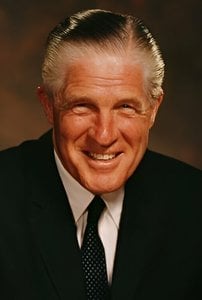
Midshipman George Cumberland

George Romney's 'Midshipman George Cumberland' captures a young naval officer with quiet dignity. This 1775 portrait showcases Romney’s masterful use of light and shadow, reflecting Georgian society.

George Romney bio je poznat engleski slikar koji je živio u XVIII stoljeća i oslavio se svojim elegantnim stilom i portretima koje je napravio za visok društvo. Poznat je po djelu "Peter and James Romney", "Portrait of G. Cowper" i "The Death of General Wolfe". Izvorno je iz Dalton-in-Furness, UK.

Giclée / Umjetnički otisak

Giclée tisak muzejske kvalitete ili otisak na platnu uz brzu proizvodnju i fleksibilne opcije završne obrade. ( Naručite ručno oslikano reprodukciju Prebacite na digitalnu prodaju slika)

P118B $10
P118H $10
P118W $10
P438Z $10
P508JH $12
P508YH $12
P805H $10
P805Z $10
P919BZ $10
P919G $10
P919XJ $10
P959ZH $10
P968JZ $12
W106C $8
W218G $10
W218JH $8
W218Y $10
W307PJ $10
W316G $10
W316PJ $8
W316Y $10
W398PJ $8
W4111J $10
W500HY $15
W500JH $15
W692G $12
W849H $8
W940BG $15
W953PJ $8

Standardne dimenzije
prilagođeno po mjeri
CM
INCH

Odaberite jednu od naših unaprijed definiranih veličina koje odgovaraju izvornim proporcijama umjetničkog djela.

širina
visina

Možete unijeti vlastite dimenzije kako biste umjetničko djelo prilagodili specifičnom okviru ili prostoru. Ako odabrana veličina ne odgovara proporcijama izvornog rada, izrezat ćemo dio slike ili je proširiti pomoću ogledalnog efekta ili jednobojne rubne površine. Digitalni prikaz (mockup) bit će vam poslan na odobrenje prije početka proizvodnje.
Imajte na umu da pregled na zaslonu ne odražava stvarno izrezivanje ili proširivanje. Samo će mockup točno prikazati konačnu kompoziciju.
Iako su dostupne prilagođene veličine, preporučujemo odabir dimenzije iz unaprijed definirane liste kako biste očuvali izvorne proporcije.

Dostava širom svijeta () u roku od 2 tjedna umjesto standardnih 4/5 tjedana. (21 Rujan)

why_choose_icon
Besplatna ekspresna dostava širom svijeta
why_choose_icon
Visokokvalitetno laneno platno
why_choose_icon
Potpuno osiguranje transporta
why_choose_icon
Jamstvo povrata carine i uvoznih poreza
why_choose_icon
Jamstvo vjernosti boja
why_choose_icon
Politika povrata u roku od 100 dana (samo u slučaju nedostataka)
why_choose_icon
Jamstvo povrata 100% novca
why_choose_icon
Popust na više proizvoda

Ukupna cijena

$ 68

reproduction

Midshipman George Cumberland

Giclée / Umjetnički otisak

Veličina reprodukcije

-

Ukupna cijena

$ 68

Brzi pregled

  • Notable elements: Realistic details, soft light
  • Influences:
    • Romney
    • European art
  • Location: Tate Britain
  • Title: Midshipman George Cumberland
  • Medium: Oil on canvas
  • Movement: Georgian Portraiture
  • Year: 1775–80

Kviz o umjetnosti

Svako pitanje ima samo jedan točan odgovor.

Pitanje 1:
What historical period does the portrait "Midshipman George Cumberland" primarily depict?
Pitanje 2:
Which artist is credited with painting "Midshipman George Cumberland"?
Pitanje 3:
What is the primary subject of the portrait?
Pitanje 4:
Based on the image description, what is a notable feature of the lighting in the portrait?
Pitanje 5:
George Romney was known for his work during which period?

A Moment Frozen in Time: Midshipman George Cumberland by George Romney

George Romney’s “Midshipman George Cumberland,” painted circa 1775-80, isn't merely a portrait; it’s a carefully constructed tableau of youthful aspiration and quiet contemplation. This captivating work offers a rare glimpse into the world of Georgian naval life, rendered with the artist’s signature blend of realism and subtle psychological insight. The painting immediately draws the eye to its subject – a young midshipman, poised in a moment of thoughtful repose against a deliberately understated backdrop. He is not a heroic figure charging into battle, but rather a boy on the cusp of manhood, his posture suggesting both readiness and a nascent awareness of the responsibilities that lie ahead.

Romney’s mastery lies in his ability to imbue ordinary subjects with an extraordinary sense of presence. The midshipman's attire – a dark jacket adorned with meticulously rendered buttons, indicative of his rank – speaks volumes about his status and future prospects within the Royal Navy. His neatly styled hair, a fashionable detail for the period, further reinforces this impression of disciplined youth. Yet, it’s not simply the details of his uniform that hold our attention; it's the subtle expression on his face—a slight tilt of the head, a hint of melancholy in his eyes—that invites us to connect with him as an individual. This is Romney at his most perceptive, capturing not just a likeness but also a fleeting emotion.

The Painter’s Palette and Technique

Executed in oil on canvas, “Midshipman George Cumberland” exemplifies Romney's refined technique. He employed a delicate layering of paint—a hallmark of his style—to create a remarkable sense of texture and depth. The fabric of the midshipman’s jacket appears almost tangible, while the subtle variations in light and shadow sculpt his face with remarkable accuracy. Romney skillfully used chiaroscuro – the dramatic contrast between light and dark – to draw attention to the subject's features and to establish a mood of quiet introspection. Note the soft diffusion of light across his face, creating an atmosphere of intimacy and drawing us into his gaze.

The background is deliberately muted, consisting of a simple wall rendered in subtle shades of grey and brown. This minimalist approach serves to highlight the midshipman’s presence without distracting from his expression or attire. Romney's restraint in the background underscores his focus on capturing the essence of his subject – a young man caught between innocence and responsibility.

A Window into Georgian Society

“Midshipman George Cumberland” offers a valuable window into Georgian society, particularly the aspirations and expectations associated with naval service. During this period, entry into the Royal Navy was often seen as a path to social advancement and financial security. The midshipman’s position represented a significant step towards a promising future, filled with adventure and opportunity. Romney's portrait reflects this societal context, capturing not only the individual but also the broader cultural values of the era.

The painting was created during a period of considerable political and social change in Britain. The aftermath of the American Revolution had profoundly impacted British society, leading to increased scrutiny of military spending and a growing awareness of the complexities of empire. Romney’s work, therefore, can be interpreted as a reflection of these shifting dynamics – a celebration of youthful ambition set against the backdrop of a nation grappling with its own identity.

Symbolism and Emotional Resonance

Beyond its historical context, “Midshipman George Cumberland” is rich in symbolism. The midshipman’s contemplative gaze suggests a quiet awareness of his future role within the navy – a responsibility that demands both discipline and courage. The painting subtly conveys a sense of anticipation, as if the young man is poised on the threshold of adulthood. Romney masterfully captures this emotional nuance, inviting us to contemplate the challenges and opportunities that lie ahead.

The overall effect is one of understated elegance and profound psychological insight. “Midshipman George Cumberland” isn’t a grand historical painting; it's a deeply personal portrait—a testament to Romney’s skill as an artist and his ability to capture the essence of human experience. It remains a captivating work, offering viewers a poignant glimpse into a bygone era and a timeless meditation on youth, aspiration, and the complexities of identity.


Biografija umjetnika

A Life in Portraiture: The World of George Romney

Born in the picturesque landscape of Dalton-in-Furness, Lancashire, on December 15th, 1734, George Romney ascended to become one of the most sought-after portrait painters of his era. His journey from a cabinet maker’s son to the favored artist of British high society is a compelling narrative of innate talent and unwavering ambition. Early life offered little indication of the artistic path he would forge; initially apprenticed to his father, it was an inherent inclination towards drawing and craftsmanship that led him to Christopher Steele, a local portraitist who had studied in Paris. This apprenticeship proved pivotal, providing Romney with foundational skills and an introduction to European artistic traditions. He quickly surpassed his master, however, demonstrating a precocious talent demanding further cultivation. A brief, unhappy marriage and subsequent separation propelled him towards London in 1762, a city brimming with opportunity but also fierce competition.

Establishing a Reputation: Style and Technique

London proved to be a crucible for Romney’s artistic development. He swiftly established himself as a formidable portraitist, challenging the dominance of artists like Thomas Gainsborough and Sir Joshua Reynolds. While he never sought membership in the Royal Academy – a decision that perhaps limited his access to certain patronage – his success was undeniable. Romney's style evolved over time, initially reflecting the influence of Steele and his Parisian training, but soon blossomed into something distinctly his own. He possessed an exceptional ability to capture not merely the likeness, but also the personality and social standing of his sitters. His portraits are characterized by elegant poses, a refined use of light and shadow, and a subtle psychological insight that set him apart. Romney’s technique was marked by a delicate touch and a preference for flowing lines, often drawing inspiration from classical sculpture. He skillfully employed color to convey texture and depth, creating portraits that were both visually striking and emotionally resonant. His ability to flatter his subjects while maintaining artistic integrity earned him the loyalty of an elite clientele. He understood the power of suggestion, hinting at character rather than explicitly defining it, a quality that appealed to those who valued discretion and refinement. Romney’s meticulous attention to detail—the subtle folds of fabric, the delicate rendering of skin tones—demonstrated his mastery of observation and artistic execution.

The Muse and Her Influence: Emma Hamilton

Romney’s life took a dramatic turn with his encounter with Emma Hart, later known as Lady Hamilton, in 1782. She became not only his most celebrated model but also his muse, profoundly influencing his artistic output. Emma's beauty, intelligence, and theatrical flair captivated Romney, inspiring a series of portraits that explored themes of classical mythology, dramatic narrative, and feminine grace. He depicted her in various roles – as a spinner, as the tragic Miranda from Shakespeare’s *The Tempest*, and in numerous allegorical scenes that showcased her expressive range. These works demonstrate Romney's willingness to experiment with composition and symbolism, moving beyond conventional portraiture into more imaginative territory. The Tempest series, in particular, reveals a Romantic sensibility at play, anticipating the emotional intensity of later artists. The relationship was intense and all-consuming for Romney, though ultimately unfulfilled romantically; Emma eventually became the mistress of Lord Nelson, a union that cemented her place in history. Nevertheless, their artistic collaboration left an indelible mark on both their lives and produced some of Romney’s most enduring masterpieces. He painted over 80 portraits of her, each revealing a different facet of her captivating personality. The dynamism captured in these images—Emma's animated gaze, the movement of her drapery—contrasted sharply with the static formality often found in earlier portraiture.

Notable Works and Artistic Legacy

Romney’s oeuvre encompasses a remarkable range of subjects, from family portraits to landscapes and mythological scenes. Among his most celebrated works are *Peter and James Romney*, capturing the affectionate bond between father and son; *Portrait of G. Cowper*, showcasing the dignified countenance of a prominent literary figure; *The Death of General Wolfe*, an ambitious historical painting that exemplifies Romney’s dramatic flair; and *Mrs. Carwardine & Son*, demonstrating his ability to convey emotion through subtle gestures and expressions. These paintings stand as monuments to Romney's artistic skill and contribute significantly to the broader narrative of British Romanticism. His influence extended beyond his own time, inspiring subsequent generations of artists who admired his stylistic innovations and psychological insight. Romney’s legacy resides not only in the beauty of his artworks but also in their enduring relevance as representations of human experience—a testament to his ability to capture the essence of his subjects and convey profound emotional truths. He remains a significant figure in the history of art, a master portraitist who shaped the aesthetic sensibilities of an era and left behind a body of work that continues to captivate and inspire. ## Historical Significance George Romney’s contribution to British art is undeniable. He helped establish a distinctive visual language characterized by elegance, psychological depth, and artistic innovation—a style that distinguishes him from his contemporaries and secures his place among the most influential portrait painters of the eighteenth century. His portraits serve as invaluable documents of social life and cultural values during his time, offering glimpses into the aristocratic circles of London and reflecting the prevailing ideals of beauty and refinement. Romney’s enduring fame rests upon his ability to transform mere likeness into compelling narratives—a skill that cemented his reputation as a visionary artist who elevated portraiture beyond its traditional conventions. His work continues to be studied and admired for its technical brilliance and emotional resonance, ensuring that George Romney's artistic legacy will endure for centuries to come.
George Romney

George Romney

1734 - 1802 , Velika Britanija

Brzi pregled

  • Artistic Movement Or Style: Portretiranje, Romantizam
  • Artists Or Movements Influenced By This Artist: ['Britanski portreti']
  • Artists Who Influenced This Artist:
    • Christopher Steele
    • Carle Vanloo
    • Rafael
  • Date Of Birth: 15. prosinca 1734.
  • Date Of Death: 15. novembra 1802.
  • Full Name: George Romney
  • Nationality: Britanski
  • Notable Artworks:
    • Peter Romney
    • Portret G. Cowpera
    • Smrt generala Wolfea
  • Place Of Birth: Dalton-in-Furness, UK
Istražite umjetnička djela organizirana prema temama, stilovima i karakteristikama.