Rani život i poziv prema granici
George Catlin, rođen u Wilkes-Barre, Pennsylvania, 1796. godine, bio je čovjek predodređen da postane most između uspostavljenog američkog društva svog vremena i brzo nestajućih kultura plemena domorodaca Sjeverne Amerike. Njegovo djetinjstvo bilo je duboko utisnutim pričama o granici, pričama koje su mu prepričavala njegova majka, Polly Sutton, koja je sama preživjela strašnu prirodu zarobljavanja tijekom indijskog napada. Ove naracije potaknule su u mladom Catlinu fascinaciju Zapadom, zemljom koja se doimala i opasnom i duboko romantičnom. Iako je bio formalno obučen za pravo, otkrio je svoj pravi poziv ne u sudnici, već u hvatanje bitki načina života koji je osjećao da nestaje. Napustio je pravnu praksu nakon samo dvije godine, vođen umjetničkim impulsom i rastućim uvjerenjem da tradicije i izratci domorodaca zaslužuju pomno dokumentiranje za buduće generacije. To nije bila samo estetska znatiželja; to je bio osjećaj hitnosti, predosjećanje da će zapadna ekspanzija neizbježno promijeniti te kulture. Njegov raniji rad uključivao je gravure koje prikazuju scene duž Erie kanala, što je demonstrirao njegovu tehničku vještinu i pozornost na detalje – kvalitete koje su postale oznake njegove kasnije, ambicioznije projekte. Ovi početni nastojanja poslužili su kao ključna osnova, usavršavajući njegove promatračke sposobnosti i uspostavljajući njegovu predanost vizualnom pripovijedanju.
Dokumentiranje nestajućeg svijeta: Indijski atelje
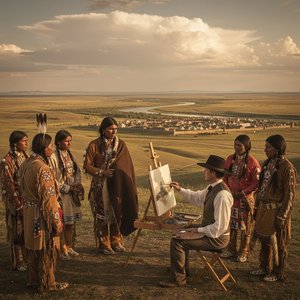
Catlinovo definirajuće postignuće bila je nesumnjivo kreacija "Indijskog ateljea", izvanredne kolekcije od preko 500 slika posvećenih prikazivanju života i kulture domorodaca. Počevši od 1830-ih, krenuo je na pet opsežnih ekspedicija u američki Zapad, putujući uz rijeku Missouri i upućujući se u područja nastanjena plemenima poput Mandana, Siouxa, Blackfeeta i Choctawa. Nije bio samo promatrač; Catlin se uronio u te zajednice, sudjelovao je u ceremonijama, svjedočio svakodnevnom životu i stvorio odnose s vođama plemena. Njegove su slike izvanredne zbog realizma i živopisnih boja, hvataju ne samo fizičke sličnosti, već i osjećaj dostojanstva i složenosti običaja domorodaca.
Ball-Play of the Choctaw je dinamičan prikaz tradicionalne igre, koji pokazuje atletizam i zajednički duh plemena. Slično tome, njegov portret
Mó-sho-la-túb-bee, He Who Puts Out and Kills, Chief of the Tribe otkriva snažnog vođu s neokolišnim pogledom, prenoseći autoritet i mudrost. Catlinov stil obilježen je pomnom detaljem, često uključujući bogata pozadina koja pruža kontekst za njegove subjekte – krajolike, tipije, ceremonijalne predmete - sve prikazane s oštrom pozornosti na točnost. Težio je predstaviti domoroce ne kao divljačke stereotipe, već kao pojedince s bogatim kulturnim tradicijama i složenim društvenim strukturama, osporavajući uobičajene predrasude svog vremena.
Izazovi i priznanje: Život posvećen očuvanju
Unatoč umjetničkoj vrjednosti i povijesnom značaju Indijskog ateljea, Catlin je suočen s velikim izazovima u ostvarenju priznanja i financijske potpore za svoj rad. Zamislio je donirati kolekciju američkoj vladi, nadajući se da će biti sačuvana kao nacionalno blago, ali su njegovi prvi prijedlozi ponovno odbijeni. Neustrašiv, odveo je svoj atelje na turneju, izlažući ga prvo u Londonu, a zatim u Parizu i Bruxellesu tijekom 1840-ih i 50-ih godina. Ove europske izložbe stekle su značajnu slavu, upoznavajući publiku s svijetom koji su do tada poznavali samo kroz druge izvještaje. Catlin je također objavio nekoliko knjiga u kojima je opisao svoja putovanja i zapažanja, uključujući
Manners, Customs, and Condition of the North American Indians (1841) i
Last Rambles Amongst the Indians of the Rocky Mountains and the Andes (1868), čime je dodatno učvrstio svoj ugled kao vodeće autoritete o kulturi domorodaca. Međutim, financijske poteškoće su ga nastavile progoniti tijekom cijelog života. U očajničkoj pokušaju da povrati dio svoje investicije, ponovno je stvorio više od 400 slika u manjem "kartonskom ateljeu", ali ni ovaj napor nije uspio donijeti značajna sredstva. Ovo razdoblje bilo je obilježeno stalnom borbom i tragičnom ironijom - čovjek posvećen očuvanju kulture koja se suočava s nestankom našao se u borbi za vlastiti opstanak.
Nasljeđe i povijesni značaj
George Catlin umro je 1872. godine, ostavivši iza sebe naslijeđe koje i danas rezonira. Iako njegov rad nije bio u potpunosti cijenjen tijekom njegova života, od tada je prepoznat kao neprocjenjiv povijesni zapis o životu domorodaca prije sveobuhvatnih promjena koje su donijele zapadne ekspanzije. Njegove slike nude pogled na kulture koje su često bile pogrešno predstavljene ili ignorirane u glavnim narativima.
Prairie Meadows Burning, s dramatičnim prikazom kontroliranog izgaranja i pratećih jahača, hvata ne samo krajolik, već i intimnu vezu između domorodaca i njihovog okoliša.
Pipestone Quarry, Coteau Des Prairies ilustrira duhovno značenje ovog svetog mjesta za mnoga plemena. Catlinova pomna dokumentacija pruža uvid u običaje plemena, društvene strukture, vjerska uvjerenja i umjetničke tradicije - informacije koje bi bile izgubljene povijesti bez njegovih posvećenih napora. Njegov rad služi kao snažna opomena o važnosti očuvanja kulture i potrebi osporavanja predrasuda o domorodačkom stanovništvu. On nije bio samo umjetnik; bio je kroničar, svjedok i strastveni zagovornik nestajućeg načina života - naslijeđe koje nastavlja inspirirati i objašnjavati naše razumijevanje američke povijesti i kulture.
Glavna djela
- Sham Fight, Mandan Boys (1832-1833): Živopisno prikazivanje razigranog lažne bitke među mladim Mandan ratnicima.
- Mrs. George Catlin (Clara Bartlett Gregory) (1850): Portret koji prikazuje umjetnikovu suprugu, nudeći uvid u njegov osobni život.
- Pipestone Quarry, Coteau Des Prairies (1848): Ilustrira sveto mjesto za mnoga plemena i njihovu duhovnu vezu s zemljom.
- Medicine Buffalo of the Sioux (1839): Zapanjujući portret koji hvata dostojanstvo i moć istaknutog Siouxa vođe.
- Prairie Meadows Burning (1832): Prikazuje dramatičnu scenu kontroliranog izgaranja, naglašavajući odnos između domorodaca i njihovog okoliša.
- Dubuque's Grave, Upper Mississippi (1836): Krajolik koji hvata mirnu ljepotu gornjeg dijela rijeke Mississippi s impresionističkim potezima kista.
- Eagle Dance, Choctaw (1837): Živopisno prikazivanje tradicionalne ceremonije Choctawa, koja pokazuje njihovu bogatu kulturnu baštinu.
- Little Wolf, A Famos Warrior (1844): Snažan portret domoročkog rat



 Pregledaj u stvarnoj veličini
 Kupi ručno naslikanu sliku
 Pošalji
 Podijeli
 Detalji o umjetničkom djelu

 Preuzmi
 Slični predmeti
 Rentgenska snimka
 Automatska prezentacija
 Statistika


 Prikaži više






































 Opcija stakla dostupna je samo za dimenzije manje od 110 cm