**život ispunjen umjetničkim istraživanjem**
gabriël metsu, nizozemski slikar iz Holandije, živio je život obilježen umjetničkim istraživanjem i inovacijom. Rođen 1629. godine, Metsuovo djelo utjelovilo je duh nizozemskog zlatnog doba, razdoblja poznatog po svom iznimnom umjetničkom stvaralaštvu. Ova biografija prodiru u život i djela ove zagonetne figure, čiji doprinos svijetu umjetnosti i danas nastavlja fascinirati posjetitelje.
**ranost i utjecaji**
Metsu je rođen 1629. godine kao sin jacquesa metsuja, tapičara i slikara podrijetlom iz hainaulta. Ovo eklektično podrijetlo vjerojatno je utjecalo na Gabrijelovu rano zanimanje za raznolike umjetničkog tehnike. Obiteljski preseljak u leiden, gdje je metsu odrastao, izložio ga je raznim kulturnim utjecajima koji su oblikovali njegov senzibilitet.
**umjetnička karijera**
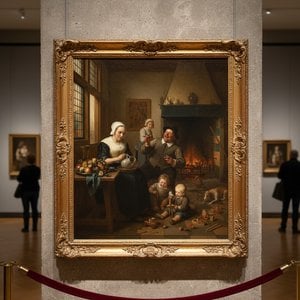
Metsuova karijera obilježena je odbijanjem priklonjenosti samo jednom stilu ili tehnici, što mu je donijelo naziv "izrazito eklektičnog umjetnika". Njegov rad obuhvaćao je povijesne slike, mrtvu prirodu, portrete i žanrovske radove. Zanimljivo je da je samo 14 od njegovih 133 djela datirano, što ostavlja mnogo toga neotkrivenog o njegovom kreativnom procesu.
- rembrandta van rijna utjecaj na Metsuovo rano djelo očigledan je, posebno u njegovoj upotrebi svjetla i boje.
- Metsuov preseljak u amsterdam 1655. godine označio je značajnu promjenu u njegovom stilu, s većim naglaskom na domaće interijere i žanrovske scene.
- Njegovo usavršavanje uz michiela van musschera i joosta van geela odražava njegovu posvećenost umjetničkoj zajednici.
**istaknuta djela i naslijeđe**
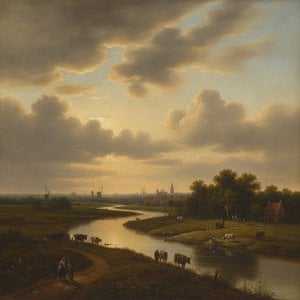
Metsuve slike često su prikazivale mlade žene, tržne scene i starce, crpeći inspiraciju iz popularnih emblema. Značajan primjer je
prodavačica peradice, koja prikazuje njegovu vještinu korištenja simbolike.
ključna djela: **muzeji i kolekcije**
Metsuva djela mogu se pronaći u raznim muzejima, uključujući rijksmuseum u amsterdamu. Za više informacija o njegovoj umjetnosti i istraživanje drugih slikara nizozemskog zlatnog doba, posjetite /hr/art/show/art-d3c627-hr/ za sveobuhvatan pregled.
zaključak: život i umjetnost gabriela metsuja svjedočanstvo su inovativnog duha nizozemskog zlatnog doba. Njegov eklektični stil, iako ponekad zagonetan, ostavio je neizbrisiv trag u svijetu umjetnosti. Dok nastavljamo otkrivati više o njegovom životu i djelima, podsjećani smo na duboki utjecaj koji je imao na razvoj zapadne umjetnosti.
- za dublje razumijevanje nizozemskog zlatnog doba, pogledajte [https://en.wikipedia.org/wiki/dutch_golden_age_painting](https://en.wikipedia.org/wiki/dutch_golden_age_painting).
- istražite više Metsuvih djela i djela njegovih suvremenika na [https://WahooArt.com/@/gabriel-metsu](https://WahooArt.com/@/gabriel-metsu).
**reference:**



 Pregledaj u stvarnoj veličini
 Prebacite na prodaju printova
 Podijeli
 Podijeli
 Detalji
 Vodič
Vodič

 Preuzmi datoteku
 Slični predmeti
 Rentgenska snimka
 Slide show
 Statistika

 Pročitajte više






































 Opcija stakla dostupna je samo za dimenzije manje od 110 cm