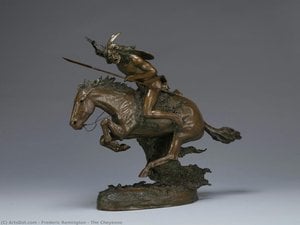
Kroničar nestajućeg Zapada: Život i umjetnost Frederica Remingtona
Frederic Sackrider Remington, rođen u Cantonu, New Yorku, 4. listopada 1861., nije bio dijete Divljeg Zapada koji je tako živopisno prikazivao; već istočnjak koji je oblikovao svoj umjetnički identitet kroz fascinaciju i posvećenu studiju. Njegovo podrijetlo nagovještavalo je život udaljen od prašnjavih staza i napada konjice – francusko-baskijski korijeni pomiješani s čvrstim republikanskim novenglandskim korijenima, otac koji je bio pukovnik u Građanskom ratu i urednik novina te veze s poznatom Remington Arms dinastijom kroz daljnje rođake. Ipak, rano izlaganje vojnim temama, zajedno s nemirnim duhom i oštrim okom za pripovijedanje, postavilo ga je na put da postane vjerojatno najpoznatiji umjetnik Američkog Zapada. Njegovo djetinjstvo preselilo se u Bloomington, Illinois, zatim natrag u Canton i konačno Ogdensburg, New York, ali njegova mašta ostala je očarana pričama o graničnom životu. Iako je prvotno usmjeren na vojnu edukaciju na Vermont Episcopal Institutu, Reminghtonov pravi poziv nije bio slijediti naredbe, već promatrati i tumačiti svijet oko sebe kroz umjetnost. Kratak boravak na Sveučilištu Yale to je potvrdio; nogomet i skiciranje imali su puno više privlačnosti od formalnog akademskog nastojanja.
Od ilustratora do slikara: Kovanje umjetničke vizije
Remingtonovo umjetničko putovanje nije započelo s grandioznim platnima, već s tintom i papirom. Njegov prvi objavljeni rad, karikatura za *Yale Courant*, signalizirao je rani talent za hvatanje akcije i naracije. Ključno putovanje u Montanu 1881. potaknulo je njegovu doživotnu opsesiju Zapadom. To nije bio samo pogled turista; Remington je nastojao uroniti u kulturu, promatrajući kauboje, Indijance i sam krajolik. U početku se pokušao okušati u ranchingu i rudarenju, ali to se pokazalo neuspješnim, oslobodivši ga da se u potpunosti posveti umjetnosti. Vrativši se na Istok, brzo se etablirao kao ilustrator za časopise poput *Harper's Weekly* i *Collier’s*, a njegove dinamične prikazi zapadnih scena očarali su nacionalnu publiku žednu priča s granice. Ove ilustracije nisu bile samo izvještaji; bili su prožete dramom, energijom i romantiziranom vizijom Zapada koja je duboko rezonirala s javnom maštom. Kroz ovaj rad usavršio je svoje vještine u kompoziciji, hvatanju pokreta i prenošenju emocija – kvalitete koje su kasnije definirale njegova slika. Primio je minimalnu formalnu obuku osim nekoliko tečajeva crtanja na Yaleu i kratkog razdoblja na Art Students Leagueu, umjesto toga razvio je prepoznatljiv stil karakteriziran energičnim potezima kista, smjelim bojama i fokusom na realizam pomiješan s dramatičnim žarom.
Hvatanje nestajućeg svijeta: Teme i stil
Remingtonova umjetnost je neraskidivo povezana sa specifičnim trenutkom u američkoj povijesti – zalazak Stareg Zapada. Njegova platna nastanjuju ikonične figure: grubi kauboje koji gone stoku, stoički Indijanci suočeni s raseljavanjem i vojnici američke konjice angažirani u herojskim bitkama i tragičnim sukobima. Nije se skriva od prikazivanja teških stvarnosti graničnog života, ali njegov rad često naginje romantiziranom prikazu, naglašavajući hrabrost, avanturu i sudar kultura.
Njegova slika nisu samo povijesni dokumenti; to su evocativne naracije koje istražuju teme heroizma, gubitka i neizbježnog napretka. Remingtonov stil se vremenom razvijao, od čvršćih, akademskijih prikaza do labavijih, ekspresivnijih poteza kista. Bio je majstor hvatanja pokreta – konji galopiraju po ravnicama, kauboje rve s bikovima, vojnici napadaju u bitku.
Često je koristio brze skice i fotografije kao referentni materijal, ali njegova umjetnost uvijek nadilazi puku imitaciju, prožeta njegovom jedinstvenom vizijom i emocionalnom snagom. Značajna djela poput *My Ranch*, *Waiting in the Moonlight*, *Ridden Down* (1905.) i *The Long-Horn Cattle Sign* (1908.) primjer su njegove sposobnosti da uhvati veličanstvo i ranjivost Američkog Zapada.
Nasljeđe i trajni utjecaj
Frederic Remington umro je neočekivano 1909. godine u dobi od 48 godina, ostavivši iza sebe obiman opus koji nastavlja očaravati publiku danas. Njegov utjecaj na umjetnost Zapada neosporan; on nije samo prikazao Zapad, već pomogao *definirati* ga za generacije Amerikanaca. Uspostavio je vizualni jezik granice – ikonografiju kauboja, Indijanaca i konjanika koja se duboko ugriza u popularnu kulturu.
- Njegov rad inspirirao je mnoge druge umjetnike, uključujući N.C. Wyetha i Zanea Greya.
- Muzej umjetnosti Frederica Remingtona u Ogdensburgu, New York, stoji kao svjedočanstvo njegovog trajnog nasljeđa, čuvajući opsežnu zbirku njegovih slika, skulptura i arhivskog materijala.
- Njegova se umjetnost nastavlja izlagati u glavnim muzejima diljem zemlje, uključujući Metropolitan Museum of Art i Amon Carter Museum of American Art.
Remingtonovi prikazi, iako ponekad kritizirani zbog romantiziranog prikaza Zapada, nude dragocjen pogled na ključno razdoblje u američkoj povijesti. Uhvatio je ne samo što *jeste*, već i što su ljudi *vjerovali* o Zapadu – njegove mitove, legende i trajni doseg. Ostaje moćan simbol američkog duha—kroničar nestajućeg svijeta koji ga je pretvorio u trajno umjetničko nasljeđe.



 Prebacite na print
 Pošalji
 Podijeli
 Detalji o umjetničkom djelu

 Preuzmi
 Slični predmeti
 Automatska prezentacija
 Statistika


 Prikaži više