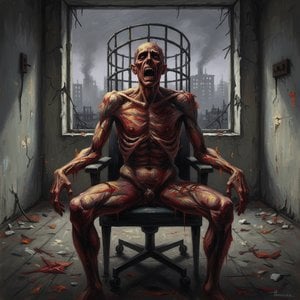
Život Uronjen u Vizceralno
Francis Bacon, ime sinonimno za najsiroviju emocionalnost u 20. stoljeću, rođen je u Dublinu, Irskoj, 1909., no njegova umjetnička duša pronašla je svoje pravo izražavanje unutar burnog okruženja posratnog britanskog društva. Njegov raniji život bio je dalek od stabilnosti; česta preseljenja zbog zdravlja njegove majke ugradila su osjećaj otuđenosti koji bi duboko oblikovao njegov pogled na svijet i, naposljetku, prožimao njegove platne. Složen odnos s njegovim strogim ocem i bliska veza s dadiljom, Jessie Lightfoot, dodatno su obojili emocionalni teren njegovih mladih dana. Iznad svega privučen konjima i kockama, Bacon je lutao kroz različite profesije prije nego što se napokon posvetio slikarstvu u kasnim dvadesetima – odgođen početak koji je možda pojačao hitnost i intenzitet njegove kasnijih djela. Nije bio formalno obrazovan, već je stvorio vlastiti put, upijajući utjecaje iz različitih izvora i razvijajući jedinstven i neugodan vizualni jezik.
Kuhanje Rane Utjecaja
Baconovo umjetničko buđenje nije bilo trenutno, već postupno nakupljanje impresija. Djela Pabla Picassa, posebno deformirane figure iz ranog kubizma, pokazala su se ključnima u oslobađanju od tradicionalnog predstavljanja. Daljnju inspiraciju pronašao je u jezivim fotografijama Egona Schiela, čije ekspresivne deformacije ljudskog oblika rezonirale su s Baconovom rastućom fascinacijom za krhkost i ranjivost postojanja. Međutim, upravo susret sa Sergejom Eisensteinovim filmom *Brodolom Potemkina* pružio je ključni poticaj. Vizualna sirovaća slika filma, posebno bliski kadar vrištećeg lica, postale su trajni motiv u Baconovom radu, predstavljajući prvobitni užas i dubine ljudske patnje. Duboko je divio i Starim majstorima, posebice Diegu Velázquezu, čiji *Portret pape Inocentija X* bi on kasnije slavno reinterpretirao tijekom svoje karijere, pretvarajući autoritativnu papinsku figuru u opsjednutog duha. Ovi utjecaji nisu bili samo stilski zapisi; oni su apsorbirani i preobraženi kroz Baconovu jedinstvenu osjetljivost, što je rezultiralo umjetničkom vizijom koja je bila istovremeno duboko osobna i univerzalno rezonantna.
Izrada Potpisnog Stila: Distorzija i Izolacija
Baconova prekretnica stigla je s *Tri studije za figure na dnu raspeća* (1944.), djelom koje je šokiralo i očaralo publiku u posratnom Londonu. Ovaj triptih uspostavio je njegov potpisani stil – deformirane, fragmentirane figure izolovane unutar klaustrofobičnih prostora. Nisu to bila prikazivanja vjerskog mučeništva, već visceralna istraživanja ljudske patnje, ogoljena od svake utješne narativne ili duhovne utehe. Njegove slike često sadrže zamućene ili nestajuće oblike, što prenosi osjećaj psihološke turbulencije i fizičke ranjivosti. Često je koristio geometrijske strukture – kaveze, kutije – kako bi zatvorio svoje subjekte, naglašavajući njihovu izolaciju i nemoć. Baconova paleta bila je obično prigušena i tmurna, odražavajući mračne teme koje je istraživao, iako prožeta izbijanjima intenzivne boje koja je pojačala emocionalni utjecaj. Korištenje ovih kaveza nije samo kompozicioni uređaj; simbolizirali su urođena ograničenja i ograničenja nametnuta ljudskom postojanju. Težio je uhvatiti ne samo *kako* stvari izgledaju, već *kako se osjećaju*, prevodeći unutarnja stanja anksioznosti, straha i očaja na platno s brutalnom iskrenošću.
Teme Smrtnosti, Uzdaha i Čovječanstva
Tijekom svoje plodne karijere Bacon je ponavljao određene motive: raspeće kao simbol patnje; portreti koji su ulazili u psihološku intenzivnost svojih subjekata, često prijatelja i ljubavnika poput Georgea Dyera; i autoportreti koji su služili kao introspektivne eksploracije identiteta i smrtnosti. Njegov *Studija nakon Velázquezova Portreta pape Inocentija X* (1953.) serija je možda jedno od njegovih najpoznatijih postignuća, pretvarajući Velázquezov dostojanstveni portret u vrišteću pojavu, koja utjeljuje egzistencijalni užas. Portreti Georgea Dyera, njegovog nestabilnog ljubavnika, posebno su bolni, hvatajući i intenzitet njihove veze i nadolazeću sjenu tragedije. Baconov rad nije bio o prikazivanju specifičnih pojedinaca; bilo je to o istraživanju univerzalnih tema ljudske ranjivosti, izolacije i neizbježnosti smrti. Nije se klonuo mračijih aspekata postojanja, već ih je suočio izravno, prisiljavajući gledatelje da se suoče sa svojom vlastitom smrtnošću i anksioznostima.
Trajno Nasljeđe: Izazovi Konvencija
Utjecaj Francisa Bacona na umjetnost 20. stoljeća je neuporediv. On je izazvao tradicionalne ideje o predstavljanju, odbacio idealiziranu ljepotu u korist sirove, neustrašive portretiranja ljudskog stanja. Njegov rad duboko je utjecao na generacije umjetnika, otvarajući put novim oblicima izražavanja i izazivajući konvencionalne umjetničke granice.
- Posratna ekspresionizam: Bacon se smatra ključnom figurom u ovom pokretu, utječući umjetnicima svojim hrabrim stilom i psihološkom dubinom.
- Rekordi aukcija i muzejski izložbe: Njegova djela nastavljaju zapovijedati visokim cijenama na aukcijama i izlagana su u glavnim muzejima diljem svijeta, čime je učvrstio svoje mjesto u povijesti umjetnosti.
- Suočavanje s Istinama: Baconovo nasljeđe leži u njegovoj sposobnosti da se suoči neugodnim istinama o ljudskom postojanju i prenese ta iskustva u snažne i nezaboravne slike.
Unatoč turbulentnom osobnom životu obilježenom kockanjem, pijenjem i složenim odnosima, ostao je posvećen svojoj umjetnosti do svoje smrti 1992. godine. Ostavio je za sobom tijelo djela koje i danas rezonira s publikom, podsjećajući nas na krhkost postojanja i trajne moći umjetnosti da potakne, uznemiri i naposljetku osvijetli složenosti ljudskog bića.
Njegove slike nisu samo slike; one su visceralna iskustva – svjedočanstvo trajne moći umjetnosti da izaziva, uznemirava i naposljetku osvijetljava složenosti ljudske biti.



 Pregledaj u stvarnoj veličini
 Naručite ručno oslikano reprodukciju
 Podijeli
 Podijeli
 Detalji
 Vodič
Vodič

 Preuzmi datoteku
 Slični predmeti
 Rentgenska snimka
 Slide show
 Statistika

 Pročitajte više






































 Opcija stakla dostupna je samo za dimenzije manje od 110 cm