BESPLATNE UMJETNIČKE KONSULTACIJE


x


 Naručite reprodukciju Kupi digitalnu sliku
 Pošalji
 Details
 Dodaj u omiljene
 Preuzmi
 Slični predmeti
 X-Ray
X-Ray
 Automatska prezentacija
Giclée tisak muzejske kvalitete ili otisak na platnu uz brzu proizvodnju i fleksibilne opcije završne obrade.





























Odaberite jednu od naših unaprijed definiranih veličina koje odgovaraju izvornim proporcijama umjetničkog djela.

Možete unijeti vlastite dimenzije kako biste umjetničko djelo prilagodili specifičnom okviru ili prostoru. Ako odabrana veličina ne odgovara proporcijama izvornog rada, izrezat ćemo dio slike ili je proširiti pomoću ogledalnog efekta ili jednobojne rubne površine. Digitalni prikaz (mockup) bit će vam poslan na odobrenje prije početka proizvodnje.
Imajte na umu da pregled na zaslonu ne odražava stvarno izrezivanje ili proširivanje. Samo će mockup točno prikazati konačnu kompoziciju.
Iako su dostupne prilagođene veličine, preporučujemo odabir dimenzije iz unaprijed definirane liste kako biste očuvali izvorne proporcije.
Dostava širom svijeta () u roku od 2 tjedna umjesto standardnih 4/5 tjedana. (1 Srpanj)


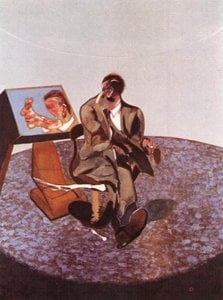
crucifixion, 1965 center
Veličina reprodukcije
Francis Bacon’s “Crucifixion,” painted in 1965, isn’t a painting you simply *look* at; it’s an experience. This triptych, a monumental work born from the turbulent aftermath of World War II and the artist's deeply personal struggles, plunges the viewer directly into the heart of existential anguish. It’s a visceral confrontation with mortality, isolation, and the unsettling fragility of the human form – themes that would become hallmarks of Bacon’s oeuvre. The painting eschews traditional depictions of suffering, instead presenting a fragmented, distorted reality where bodies seem to dissolve under the weight of their own torment. The sheer intensity of color—a dominant, pulsating red—amplifies this sense of urgency and impending doom, creating an atmosphere that is both terrifying and profoundly moving.

The triptych format itself is crucial to understanding the work’s impact. Each panel presents a distinct yet interconnected vision of suffering. The central panel dominates, showcasing a figure contorted in an almost impossible pose – limbs splayed outwards, head turned away as if recoiling from an unbearable sight. Bacon's signature technique—loose, gestural brushstrokes applied with furious energy—creates a sense of dynamic movement and instability. The figures aren’t rendered realistically; they are fractured, dissolving into grotesque shapes that defy anatomical accuracy. This deliberate distortion serves to heighten the emotional impact, stripping away any comforting illusions about human form and suggesting a fundamental breakdown of order.
Notice the carefully considered composition: the stark red background acts as a relentless pressure, amplifying the figures’ vulnerability. The presence of the two seated figures in the right panel—seemingly oblivious or detached from the central drama—adds another layer of unsettling ambiguity. Are they witnesses? Complicit observers? Or simply trapped within their own private worlds? The inclusion of the simple chairs and couch further emphasizes the scene's surreal quality, pulling it away from any specific historical context and grounding it in a timeless realm of psychological torment.
To fully appreciate “Crucifixion,” it’s essential to understand Francis Bacon’s life. Born in Dublin, Ireland, in 1909, he experienced a childhood marked by instability and emotional distance. His mother's frequent illnesses led to numerous relocations, fostering a sense of displacement that profoundly shaped his artistic vision. Bacon’s early fascination with horse racing and gambling was abruptly abandoned as he dedicated himself to painting in his late twenties—a decision fueled, perhaps, by an urgent need to confront the anxieties simmering beneath the surface of his psyche. As art historian David Sylvester noted, Bacon's work is “an exploration of the human condition, stripped bare of all pretense.”
The influence of post-war Britain—a landscape scarred by devastation and grappling with existential questions—is palpable in "Crucifixion." Bacon’s art reflects a deep sense of unease and disillusionment, capturing the psychological fallout of a world shattered by conflict. The painting isn't simply about religious suffering; it’s a broader meditation on human vulnerability, isolation, and the inescapable awareness of mortality.
While rooted in Christian iconography—the crucifixion itself—Bacon’s “Crucifixion” transcends any specific religious context. The image speaks to a universal experience of pain, fear, and the struggle for meaning in a chaotic world. The distorted figures can be interpreted as representations of the human psyche under duress, confronting its own demons and grappling with the limitations of existence. Bacon’s work continues to resonate deeply today, offering a powerful and unsettling reflection on the enduring challenges of being human. Reproductions of this iconic piece provide a window into the artist's profound emotional landscape, inviting viewers to contemplate their own experiences of vulnerability and resilience.


1909 - 1992 , Irska
Explore the profound existential anguish of Francis Bacon's art. Discover how trauma shaped his iconic paintings & lasting influence on modern expressionism. A guide for discerning collectors.

Istražite 25 remek-djela Francis Bacona – snažne slike ekspresionizma, portreta i vizualne drame. Otkrijte priče iza ikoničnih umjetnina i pronađite savršenu reprodukciju za vaš dom na WahooArt.com.

Explore the profound artistic responses to World War I's trauma & hope. Discover Expressionist masterpieces by Bacon, de Kooning & more. Expert insights for collectors & art enthusiasts at WahooArt.

Explore the powerful history of representing human suffering in art. From ancient myths to modern masterpieces, discover how artists have captured grief, loss, and emotional pain across cultures and eras.

Explore 10 legendary acrylic paintings that revolutionized modern art! From Helen Frankenthaler's color fields to Richter’s abstract power, discover the stories behind these iconic masterpieces. Find museum-quality reproductions & elevate your home decor on WahooArt.com.


Budite u tijeku s najnovijim umjetničkim vijestima, ekskluzivnim ponudama i idejama za dekoraciju.
Recite nam nešto o svom projektu, a naši će stručnjaci za umjetnost pripremiti 3 personalizirana prijedloga umjetnina.
Dopustite nam da odaberemo 3 opcije samo za Vas – Besplatno!
 Podijeli


 Pročitajte više






 Opcija stakla dostupna je samo za dimenzije manje od 110 cm