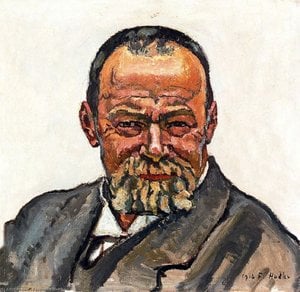
Život Uređen Simbolizmom: Svijet Ferdinanda Hodlera
Ferdinand Hodler, ime nerazdvojivo povezano s krajolikom švicarskog slikarstva i snažnim jezikom simbolizma, izrastao je iz skromnih početaka u jednoga od najznačajnijih umjetnika kasnog 19. i ranog 20. stoljeća. Rođen u Bernu, Švicarska, 1853. godine, njegov život je duboko oblikovala rana izgubljenost – tema koja će prožimati njegovu umjetničku viziju. Premala smrt njegovog oca i dvojice mlađih braće prije nego što je napunio adolescenciju bacila je dugu sjenu, u njega ulivajući duboku kontemplaciju oko prolaznosti života i smrtnosti. Ta iskustva, isprepletena s izrazitom osjetljivošću na ljepotu i snagu prirodnog svijeta, postala su središnji elementi njegove sve veće umjetničke domene. U početku učenik dekorativnih slikara, Hodlerov urođeni talent brzo je nadmašio pukom umijećem; želio je formalno obrazovanje i umjetnički razvoj izvan ograničenja komercijalnog rada. Ta ambicija dovela ga je u Ženevu 1871. godine, gdje se uronio u studij, pohađajući znanstvene predavanja uz marljivo kopiranje remek-djela u gradskom muzeju – rigorozno obrazovanje koje je postavilo temelje za njegove buduće inovacije.
Od Realizma do 'Paralelizma': Izgrađivanje Jedinstvene Vizije
Hodlerovo umjetničko putovanje obilježavala su stalna evolucija i neumorna potraga za izraznom snagom. Njegova djela u ranim godinama odražavala su tadašnji prevladajući stil realizma – portreti, krajolici i žanrovske scene izvršene s pomijećnom detaljnom preciznošću. Međutim, ubrzo se osjetio ograničenim ovim konvencijama, tražeći sredstvo za prenošenje dubljih emocionalnih istina i filozofskih ideja. Ovaj potraga dovela ga je prema simbolizmu, pokretu koji je odbacio naturalističko predstavljanje u korist subjektivnog iskustva i evocativne slike. Ipak, Hodler nije samo usvojio principe simbolizma; umjesto toga, izbrusio je svoj vlastiti jedinstveni put, razvijajući ono što je nazvao "paralelizam". Ovaj prepoznatljivi stil uključivao je slaganje figura i oblika u ritmičkim, gotovo geometrijskim uzorcima, stvarajući osjećaj kako harmonije tako i napetosti – vizualnu reprezentaciju međusobne povezanosti. Bio je to pokušaj prikazati ne samo *što* vidi, već i *kako* se osjeća – podcjenjujuće emocionalne struje koje povezuju sve stvari.
Noć, dovršena 1890. godine, pokazala se kao ključno djelo, označavajući njegov konačni prelazak prema simbolističkoj slici i izazvavši značajnu kontroverzu svojim prikazom ležećih figura koje su sugerirale smrt i počinak. Unatoč prvotnim kritikama, slika je stekla pozornost u Parizu, uspostavljajući Hodlerovu reputaciju izvan Švicarske i najavljujući dolazak doista originalnog glasa.
Prepoznatljivi Radovi: Ključna Djela i Njihovo Značenje
Tijekom svoje plodne karijere, Hodler je stvorio zapanjujuću kolekciju djela koja i danas rezoniraju s publikom.
Dan, dovršen 1893., predstavlja jedno od njegovih najambicioznijih i najslavljenijih postignuća – monumentalno povijesno slikanje koje pokazuje njegovu majstoriju kompozicije i simbolizma. Sadržana u Kunsthaus Zürichu, ovo djelo je snažna meditacija o životu, smrti i obnovi, prikazana uzarrešavajućom kombinacijom realizma i vizionarske intenzivnosti. Sama veličina i emocionalna težina
Dana učvrstila su Hodlerovu poziciju vodeće figure u europskoj umjetnosti. Druga značajna djela uključuju brojne prikaze švicarskih Alpa, prožetih osjećajem zadivljujućeg sjaja, i portrete koji otkrivaju njegovo duboko razumijevanje ljudske psihologije. Često se vraćao temama gubitka i žalovanja, možda odražavajući vlastre traume iz djetinjstva, ali ih je uvijek ispunjavao osjećajem dostojanstva i otpornosti. Njegova djela nisu bila samo reprezentacije; bili su emocionalni krajolici, pozivajući gledatelje da razmišljaju o fundamentalnim pitanjima egzistencije. Djela poput
Istine II (1897.) demonstriraju Hodlerovu sposobnost spajanja klasičnih oblika sa suvremenim osjećajem, stvarajući slike koje su istovremeno bezvremene i izrazito moderne – svjedočanstvo njegovog inovativnog duha.
Trajna Ostavština: Utjecaj i Povijesni Kontekst
Ferdinand Hodlerovo utjecanje protezalo se daleko izvan granica Švicarske. Njegova inovativna upotreba simbolizma i razvoj "paralelizma" prokrčili su put ekspresionizmu, s njegovim naglaskom na subjektivne emocije i deformirane oblike. Umjetnici koji su ga slijedili prepoznali su ga kao prethodnika vlastitih istraživanja unutarnjeg iskustva. Hodlerovo djelo također je odjekivalo u širim kulturnim strujanjima kasnog 19. i ranog 20. stoljeća – razdoblju obilježenom brzim društvenim promjenama, znanstvenim napretkom i rastućim osjećajem egzistencijalne anksioznosti. Njegova djela ponudila su vizualni jezik za suočavanje s ovim složenim pitanjima, pružajući utjehu i uvid u sve neizvjesniji svijet. Danas se Hodlerova djela nalaze u glavnim muzejima diljem Europe i izvan nje, osiguravajući da njegova umjetnička vizija nastavlja inspirirati i izazivati generacije gledatelja. Ostaje monumentalna figura u švicarskoj povijesti umjetnosti, proslavljana ne samo svojom tehničkom vještinom već i dubokim emocionalnim dubinama i neumornom predanošću istraživanju misterija ljudske kondicije.
Istraživanje Hodlera Dalje



 Pregledaj u realnoj veličini
 Kupi ručno oslikano djelo
 Pošalji
 Podijeli
 Detalji o umjetničkom djelu
 Vodič
Vodič

 Preuzmi umjetničko djelo
 Slični predmeti
 Rentgenska snimka
 Slide show
 Q&A
Q&A Statistika


 Prikaži više






































 Opcija stakla dostupna je samo za dimenzije manje od 110 cm