Pregledaj u stvarnoj veličini Isprobaj u AR-u Prebacite na prodaju printova Naručite ručno oslikano reprodukciju Podijeli
Detalji Vodič Dodaj u omiljene Preuzmi datoteku Slični predmeti Rentgenska snimka Slide show Statistika

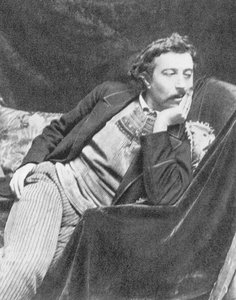
untitled (5259)

Paul Gauguin: Revolucionarni slikarski umjetnik poznat po intenzivnim bojama, egzotičkim motivima i simbolističkim temama koji su oblikovali suvremenu umjetnost. Otkriti njegov stil i ostvarenja putem WahooArt.com!

Kupite digitalnu sliku visoke rezolucije i poboljšane kvalitete, koja je znatno superiornija od online prikaza.

Svaku datoteku pedantno pripremaju naši internim stručnjaci koristeći napredne alate i vještinsku ručnu retušu. Osiguravamo da svaka slika ima iznimnu jasnoću, preciznu točnost boja i vrhunsku razinu detalja.

Konačna datoteka dostavlja se putem e-pošte u roku od 72 sata, optimizirana za neposrednu upotrebu u profesionalnim, uredničkim i tiskarskim okruženjima. To je ista kvaliteta kojoj vjeruju vrhunski studiji dizajna, izdavači i galerije.

Digitalna slika

Preuzmite datoteku visoke rezolucije za osobnu izložbu, tisak i kreativne projekte. ( Prebacite na prodaju printova Naručite ručno oslikano reprodukciju)

Ukupna cijena

$ 24,90

Uključeno uz svaku narudžbu digitalne slike

Stručna digitalna dostava, zajamčena

Odabirom WahooArt.com ne dobivate samo sliku – dobivate profesionalno unapređeno digitalno umjetničko djelo, izrađeno s najvećom preciznošću uz jamstvo zadovoljstva. Evo svega što automatski dolazi uz vašu narudžbu:

shipping_icon
Brza dostava e-poštom

Vaša digitalna slika visoke rezolucije bit će vam poslana e-mailom u roku od 72 sata od trenutka narudžbe – spremna za neposrednu upotrebu.

canvas_icon
Digitalna datoteka uz pomoć AI-a

Vaše umjetničko djelo profesionalno je optimizirano pomoću naprednih AI alata i ručnog uređivanja, čime se osigurava maksimalna razina detalja, oštrine i točnosti boja.

insurance_icon
Besplatna doživotna ponovna dostava

Slučajno ste obrisali ili izgubili svoju datoteku? Ne brinite – ponovno ćemo vam je poslati u bilo kojem trenutku, potpuno besplatno.

tax_icon
Bez uvoznih pristojnika – ikada

Uživajte u svojim umjetničkim djelima trenutno, bez carina, pristojbi ili troškova dostave – digitalni downloadi uvijek su oslobođeni poreza.

color_icon
Jamstvo točnosti boja

Uz pomoć profesionalnih alata i upravljanja bojama, osiguravamo da vaša digitalna slika što vjernije odražava izvorne boje.

return_icon
Jamstvo zadovoljstva u trajanju od 100 dana

Ako niste zadovoljni svojom digitalnom slikom, revidirat ćemo je ili vratiti 100% iznosa u roku od 100 dana – bez suvišnih pitanja.

guarantee_icon
100% Jamstvo povrata novca

Niste zadovoljni? Osigurajte puni povrat novca u roku od 100 dana od primitka digitalne datoteke – bez suvišnih pitanja.

discount_icon
Popusti na velike narudžbe

Kupite 3 slike, uštedite 10% - Kupite 5 slika, uštedite 15% - Kupite 10+ slika, uštedite 20%. Odlično za kreativne projekte, galerije i agencije.

Brzi pregled

  • Medium: Oil on canvas
  • Notable elements or techniques: Bold color palette, Synthetist style
  • Artist: Paul Gauguin
  • Location: Private Collection
  • Artistic style: Symbolist
  • Movement: Post-Impressionism

Kviz o umjetnosti

Svako pitanje ima samo jedan točan odgovor.

Pitanje 1:
What artistic movement is Paul Gauguin primarily associated with?
Pitanje 2:
The painting depicts a scene featuring what prominent element?
Pitanje 3:
What is the dominant color palette used in this artwork?
Pitanje 4:
The image showcases a man interacting with what animal, symbolizing harmony between humanity and nature?
Pitanje 5:
Which artistic style influenced Gauguin's approach to color and composition?

A Bold Embrace of Exotic Beauty: Exploring Eugène Henri Paul Gauguin’s Untitled (5259)

Paul Gauguin's "Untitled (5259)" stands as a testament to the transformative power of artistic vision—a vibrant snapshot of Tahiti that transcends mere representation, delving into profound symbolic layers and capturing an arresting immediacy. Painted in 1893 during his second visit to Polynesia, this artwork embodies the core tenets of Gauguin’s distinctive style: Synthetist Impressionism blended with Primitivism, resulting in a visual experience unlike any other produced during the Belle Époque. The painting's allure lies not just in its dazzling palette but also in its masterful execution and its ability to evoke an emotional response rooted in both observation and imagination.
  • Subject Matter: The scene depicts a lush tropical landscape dominated by towering palm trees and punctuated by the brilliant hues of exotic birds—primarily peacocks—that dominate the composition. At the forefront stands a man, seemingly engaged in a contemplative interaction with one of these magnificent birds. Scattered amongst the foliage are three figures, adding to the dynamism of the tableau.
  • Style & Technique: Gauguin’s approach eschewed the meticulous realism favored by Impressionists, opting instead for bold color blocks and simplified forms—a hallmark of Synthetist Impressionism. Thick impasto strokes create a palpable textural surface, conveying a sense of physicality and immediacy that contrasts sharply with the diffused light characteristic of Impressionistic painting. The artist deliberately flattened perspective, prioritizing expressive color over accurate depiction.

Historical Context: Gauguin’s Tahiti Project

Gauguin's decision to relocate to Tahiti in 1891 was driven by a fervent desire to escape the constraints of European civilization and reconnect with primal spirituality—a reaction against the perceived moral decay of Parisian society. Influenced by Symbolist aesthetics, he sought inspiration from Polynesian culture and mythology, aiming to capture its essence through his art. This project wasn’t merely about recording visual impressions; it was a deliberate attempt to distill universal truths into simplified forms, mirroring the artistic explorations championed by artists like Edvard Munch and Vincent van Gogh. The painting reflects Gauguin's belief that true beauty resided in untainted nature and in confronting fundamental questions of existence.

Symbolism & Emotional Resonance

The peacock—a symbol of royalty, immortality, and rebirth—represents a central element of the artwork’s symbolic vocabulary. Its presence underscores Gauguin’s fascination with mythology and his yearning for transcendence. The man's posture suggests contemplation and connection to the natural world, embodying the artist’s spiritual quest. Furthermore, the vibrant colors – predominantly reds, yellows, and blues – are deliberately chosen to convey emotion rather than literal representation. They evoke feelings of warmth, vibrancy, and wonder—mirroring Gauguin’s own emotional response to Tahiti's beauty. The painting invites viewers to contemplate themes of spirituality, nature, and human connection, leaving an indelible impression on the contemplative mind.

A Legacy of Bold Color

“Untitled (5259)” solidified Gauguin’s reputation as a pioneer of Synthetist Impressionism and profoundly influenced subsequent generations of artists. Its audacious use of color—a deliberate departure from Impressionistic conventions—became an inspiration for movements like Fauvism, demonstrating the transformative potential of artistic experimentation. Today, reproductions of this captivating artwork continue to resonate with audiences worldwide, capturing the enduring allure of Gauguin’s vision: a bold celebration of primal beauty and a testament to the artist's unwavering commitment to expressing profound emotional truths through masterful technique.

Biografija umjetnika

Eugène Henri Paul Gauguin: Master of Color|Artist Biography

Eugène Henri Paul Gauguin, a name that resonates with vibrant color and rebellious spirit, stands as a pivotal figure in the transition from Impressionism to modern art. Born in Paris in 1848, his life was anything but conventional. His early years were shaped by an unusual upbringing; his father a journalist, and his mother descended from Peruvian aristocracy—her grandmother, Flora Tristan, a pioneering feminist and socialist writer whose ideals undoubtedly resonated within the family. This heritage would profoundly shape Gauguin’s artistic vision, instilling in him a fascination with cultures beyond Europe. A formative period spent in Peru as a child, following his family's relocation in 1850, immersed him in a world vastly different from Parisian society, an experience that lingered and ultimately fueled his quest for authenticity in art. Returning to France after his father’s death, Gauguin received a formal education but found himself drawn not to academia, but to the burgeoning financial world, embarking on a career as a stockbroker—a path seemingly at odds with the artistic destiny that awaited him.

Early Influences and Artistic Beginnings

Initially captivated by Impressionism – particularly the works of Monet, Pissarro, and Renoir – Gauguin experimented with color and light in his spare time, attempting to capture the fleeting beauty of everyday life. However, he quickly recognized the limitations of Impressionistic technique, perceiving it as too concerned with optical observation and insufficiently expressive of inner emotion. The financial crisis of 1882 proved a decisive turning point, forcing him to abandon his lucrative career and wholeheartedly dedicate himself to painting—a decision that would fundamentally alter the trajectory of his artistic life. This wasn’t merely a change in profession; it was a profound reimagining of his worldview. Influenced by the writings of Friedrich Nietzsche and Henri Bergson, Gauguin sought guidance from Camille Pissarro, who encouraged him to develop his own distinctive style—one rooted not in imitation but in personal experience. Recognizing the influence of Cézanne’s geometric simplification and Raphael's harmonious compositions, he began to refine his technique, moving away from Impressionistic brushstrokes toward a more deliberate and controlled approach.

Brittany and the Symbolist Movement

Before embarking on his transformative journey to Tahiti, Gauguin spent time in Brittany—the region of France where he was born—captivated by its rugged landscapes and deeply rooted traditions. During this period, he produced paintings that reflected both Impressionistic sensibilities and emerging Symbolist ideas. He explored themes of spirituality and mythology, depicting Breton peasants and rural scenes with a sensitivity to color and form that foreshadowed his later stylistic innovations. Gauguin’s artistic explorations were further enriched by his engagement with Japanese prints—Japonisme—which exerted a powerful influence on his visual vocabulary. The flattened perspectives, bold outlines, and decorative patterns characteristic of Japanese art captivated him, prompting him to adopt similar techniques in his own paintings. This fascination with “primitive” cultures – fueled by readings of Edgar Allan Poe and Gustave Flaubert – would ultimately propel him toward Tahiti and the pursuit of a radically different artistic vision.

Tahiti: A Quest for Authenticity

The decision to relocate permanently to Tahiti in 1891 represented a culmination of Gauguin’s lifelong quest for authenticity—a rejection of Western civilization and its perceived artificiality in favor of a simpler, more spiritually fulfilling existence. Seeking refuge from the pressures of Parisian society and artistic conventions, he envisioned Tahiti as a sanctuary where he could reconnect with his primal instincts and express himself freely. He immersed himself in Polynesian culture, documenting rituals, myths, and daily life through his paintings—a process that profoundly shaped his artistic style. Influenced by medieval art – particularly Byzantine iconography – Gauguin employed bold colors, flattened perspectives, and stylized figures to convey symbolic meanings rooted in religious tradition. Iconic canvases such as “Vahine no te miti” (Woman with Mango), “Manao Tupapau” (Watched by the Spirit of the Dead), and “The Vision After The Sermon” exemplify this distinctive aesthetic—a testament to Gauguin’s unwavering commitment to artistic innovation.

Legacy and Influence

Paul Gauguin died in Atuana, Hiva Oa, Marquesas Islands, in 1903, leaving behind a legacy that continues to inspire artists and scholars alike. His groundbreaking stylistic innovations – characterized by bold color palettes, simplified forms, and symbolic imagery – irrevocably altered the course of modern art, paving the way for movements such as Fauvism and Expressionism. Artists like Pablo Picasso, Henri Matisse, Edvard Munch, and Vincent van Gogh acknowledged Gauguin’s profound influence on their own creative endeavors—a recognition of his enduring contribution to the artistic canon. His unwavering belief in the transformative power of art – coupled with his courageous rejection of societal norms – cemented his place as a visionary artist who dared to challenge conventions and forge his own path, leaving behind a body of work that remains both captivating and enigmatic. Gauguin’s exploration of themes of spirituality, myth, and primal instinct continues to resonate with audiences today, ensuring that his artistic legacy will endure for generations to come.

Eugène Henri Paul Gauguin

Eugène Henri Paul Gauguin

1848 - 1903 , Francuska

Osnovne informacije

  • Artistic Movement Or Style: Postimpresionizam, Simbolizam
  • Artists Or Movements Influenced By This Artist:
    • Pablo Picasso
    • Henri Matisse
  • Artists Who Influenced This Artist: ['Camille Pissarro']
  • Date Of Birth: 1848.
  • Date Of Death: 1903.
  • Full Name: Eugène Henri Paul Gauguin
  • Nationality: Francuski
  • Notable Artworks:
    • Clearing
    • Vahine no te miti
    • Manao Tupapau
    • Little Breton Shepherd
  • Place Of Birth: Pariz, Francuska