Pregledaj u stvarnoj veličini Isprobaj u AR-u Naručite ručno oslikano reprodukciju Prebacite na digitalnu prodaju slika Podijeli
Detalji Vodič Dodaj u omiljene Preuzmi datoteku Slični predmeti Rentgenska snimka Slide show Statistika

Nostalgic Promenade

Paul Gauguin: Revolucionarni slikarski umjetnik poznat po intenzivnim bojama, egzotičkim motivima i simbolističkim temama koji su oblikovali suvremenu umjetnost. Otkriti njegov stil i ostvarenja putem WahooArt.com!

Giclée / Umjetnički otisak

Giclée tisak muzejske kvalitete ili otisak na platnu uz brzu proizvodnju i fleksibilne opcije završne obrade. ( Naručite ručno oslikano reprodukciju Prebacite na digitalnu prodaju slika)

P118B $10
P118H $10
P118W $10
P438Z $10
P508JH $12
P508YH $12
P805H $10
P805Z $10
P919BZ $10
P919G $10
P919XJ $10
P959ZH $10
P968JZ $12
W106C $8
W218G $10
W218JH $8
W218Y $10
W307PJ $10
W316G $10
W316PJ $8
W316Y $10
W398PJ $8
W4111J $10
W500HY $15
W500JH $15
W692G $12
W849H $8
W940BG $15
W953PJ $8

Standardne dimenzije
prilagođeno po mjeri
CM
INCH

Odaberite jednu od naših unaprijed definiranih veličina koje odgovaraju izvornim proporcijama umjetničkog djela.

širina
visina

Možete unijeti vlastite dimenzije kako biste umjetničko djelo prilagodili specifičnom okviru ili prostoru. Ako odabrana veličina ne odgovara proporcijama izvornog rada, izrezat ćemo dio slike ili je proširiti pomoću ogledalnog efekta ili jednobojne rubne površine. Digitalni prikaz (mockup) bit će vam poslan na odobrenje prije početka proizvodnje.
Imajte na umu da pregled na zaslonu ne odražava stvarno izrezivanje ili proširivanje. Samo će mockup točno prikazati konačnu kompoziciju.
Iako su dostupne prilagođene veličine, preporučujemo odabir dimenzije iz unaprijed definirane liste kako biste očuvali izvorne proporcije.

Dostava širom svijeta () u roku od 2 tjedna umjesto standardnih 4/5 tjedana. (22 Rujan)

why_choose_icon
Besplatna ekspresna dostava širom svijeta
why_choose_icon
Visokokvalitetno laneno platno
why_choose_icon
Potpuno osiguranje transporta
why_choose_icon
Jamstvo povrata carine i uvoznih poreza
why_choose_icon
Jamstvo vjernosti boja
why_choose_icon
Politika povrata u roku od 100 dana (samo u slučaju nedostataka)
why_choose_icon
Jamstvo povrata 100% novca
why_choose_icon
Popust na više proizvoda

Ukupna cijena

$ 68

reproduction

Nostalgic Promenade

Giclée / Umjetnički otisak

Veličina reprodukcije

-

Ukupna cijena

$ 68

Brzi pregled

  • Influences: Symbolism
  • Title: Nostalgic Promenade
  • Movement: Post-Impressionism
  • Year: 1889
  • Location: Private Collection
  • Artistic style: Symbolist
  • Notable elements or techniques: Bold lines, vibrant colors

Kviz o umjetnosti

Svako pitanje ima samo jedan točan odgovor.

Pitanje 1:
What artistic movement is Paul Gauguin’s Nostalgic Promenade primarily associated with?
Pitanje 2:
The painting depicts a man standing near a fence surrounded by what?
Pitanje 3:
What is the dominant color palette used in Nostalgic Promenade?
Pitanje 4:
Which artistic school influenced Gauguin's style, emphasizing dreams and mysticism?
Pitanje 5:
How does Nostalgic Promenade reflect the broader trends of Symbolist painting?

Nostalgic Promenade: A Symphony of Color and Tranquility

Paul Gauguin’s Nostalgic Promenade stands as a poignant testament to the artist's exploration of serenity and contemplation during his time in Pont-Aven, Brittany, France – 1889. More than just a landscape depiction, it’s an invitation into Gauguin’s inner world, rendered with bold strokes and vibrant hues that capture the essence of a bygone era. This remarkable oil on canvas piece transcends mere visual representation; it embodies a profound yearning for simplicity and connection with nature—themes central to Gauguin's groundbreaking Symbolist vision.

Compositional Harmony: A Tableau of Quiet Observation

The painting’s arrangement is deceptively straightforward, yet meticulously crafted to convey a sense of profound peace. At its core lies a solitary man positioned near a weathered wooden fence, his gaze directed towards the viewer—a subtle gesture encouraging introspection and shared experience. Surrounding him are trees laden with foliage, their branches reaching upwards in graceful curves, creating a visual rhythm that mirrors the stillness of the scene. Two sheep graze peacefully on the nearby grass, adding to the pastoral tranquility, while a dog rests languidly at the foot of one of the trees—a symbol of companionship and contentment. Completing this harmonious composition is a bench – an emblem of repose – inviting viewers to linger in contemplation amidst the beauty of the Breton countryside.

The Language of Color: Gauguin’s Bold Expressionism

Gauguin's masterful use of color distinguishes Nostalgic Promenade from conventional Impressionist painting. He abandons the fleeting effects of light and atmosphere in favor of a deliberate palette designed to evoke emotion—primarily shades of ochre, crimson, and emerald green. These colors aren’t merely descriptive; they pulsate with vitality, conveying a sense of warmth and vibrancy that contrasts sharply with the muted tones often associated with landscapes of this period. Gauguin's technique is characterized by thick impasto – applying paint in heavy layers—creating textured surfaces that heighten visual impact and imbue the painting with palpable energy.

Symbolism Beyond Representation: Echoes of Breton Folklore

As a pivotal work within Gauguin’s Symbolist oeuvre, Nostalgic Promenade delves into deeper psychological and spiritual dimensions beyond the surface appearance of its subject matter. The man’s posture—slightly turned towards the viewer—suggests a deliberate act of self-awareness, mirroring Gauguin's fascination with exploring the subconscious mind. Furthermore, the sheep symbolize innocence and purity – motifs frequently recurring in Breton folklore and reflecting Gauguin’s desire to reconnect with primal instincts and traditions. The painting’s overall mood is imbued with nostalgia—a longing for simpler times and a profound appreciation for the beauty of the natural world.

A Legacy Enduring Influence: From Pont-Aven to Modern Art Movements

Paul Gauguin: Nostalgic Promenade’s impact extends far beyond its immediate aesthetic qualities, establishing it as a cornerstone of Symbolist painting and influencing subsequent artistic movements such as Art Nouveau and Expressionism. Artists like Vincent van Gogh and Edvard Munch drew inspiration from Gauguin's bold color palettes and expressive brushwork—demonstrating the enduring power of his vision to resonate across generations. Today, reproductions of Nostalgic Promenade continue to captivate audiences worldwide, serving as a reminder of Gauguin’s pioneering contribution to the history of art and his unwavering pursuit of artistic truth. Explore more masterpieces at WahooArt.com – best visual art database. WahooArt.com offers a wide range of handmade oil painting reproductions, including works by Paul Gauguin and other renowned artists. Visit the website to explore more masterpieces and learn about their significance in art history.

Biografija umjetnika

Eugène Henri Paul Gauguin: Master of Color|Artist Biography

Eugène Henri Paul Gauguin, a name that resonates with vibrant color and rebellious spirit, stands as a pivotal figure in the transition from Impressionism to modern art. Born in Paris in 1848, his life was anything but conventional. His early years were shaped by an unusual upbringing; his father a journalist, and his mother descended from Peruvian aristocracy—her grandmother, Flora Tristan, a pioneering feminist and socialist writer whose ideals undoubtedly resonated within the family. This heritage would profoundly shape Gauguin’s artistic vision, instilling in him a fascination with cultures beyond Europe. A formative period spent in Peru as a child, following his family's relocation in 1850, immersed him in a world vastly different from Parisian society, an experience that lingered and ultimately fueled his quest for authenticity in art. Returning to France after his father’s death, Gauguin received a formal education but found himself drawn not to academia, but to the burgeoning financial world, embarking on a career as a stockbroker—a path seemingly at odds with the artistic destiny that awaited him.

Early Influences and Artistic Beginnings

Initially captivated by Impressionism – particularly the works of Monet, Pissarro, and Renoir – Gauguin experimented with color and light in his spare time, attempting to capture the fleeting beauty of everyday life. However, he quickly recognized the limitations of Impressionistic technique, perceiving it as too concerned with optical observation and insufficiently expressive of inner emotion. The financial crisis of 1882 proved a decisive turning point, forcing him to abandon his lucrative career and wholeheartedly dedicate himself to painting—a decision that would fundamentally alter the trajectory of his artistic life. This wasn’t merely a change in profession; it was a profound reimagining of his worldview. Influenced by the writings of Friedrich Nietzsche and Henri Bergson, Gauguin sought guidance from Camille Pissarro, who encouraged him to develop his own distinctive style—one rooted not in imitation but in personal experience. Recognizing the influence of Cézanne’s geometric simplification and Raphael's harmonious compositions, he began to refine his technique, moving away from Impressionistic brushstrokes toward a more deliberate and controlled approach.

Brittany and the Symbolist Movement

Before embarking on his transformative journey to Tahiti, Gauguin spent time in Brittany—the region of France where he was born—captivated by its rugged landscapes and deeply rooted traditions. During this period, he produced paintings that reflected both Impressionistic sensibilities and emerging Symbolist ideas. He explored themes of spirituality and mythology, depicting Breton peasants and rural scenes with a sensitivity to color and form that foreshadowed his later stylistic innovations. Gauguin’s artistic explorations were further enriched by his engagement with Japanese prints—Japonisme—which exerted a powerful influence on his visual vocabulary. The flattened perspectives, bold outlines, and decorative patterns characteristic of Japanese art captivated him, prompting him to adopt similar techniques in his own paintings. This fascination with “primitive” cultures – fueled by readings of Edgar Allan Poe and Gustave Flaubert – would ultimately propel him toward Tahiti and the pursuit of a radically different artistic vision.

Tahiti: A Quest for Authenticity

The decision to relocate permanently to Tahiti in 1891 represented a culmination of Gauguin’s lifelong quest for authenticity—a rejection of Western civilization and its perceived artificiality in favor of a simpler, more spiritually fulfilling existence. Seeking refuge from the pressures of Parisian society and artistic conventions, he envisioned Tahiti as a sanctuary where he could reconnect with his primal instincts and express himself freely. He immersed himself in Polynesian culture, documenting rituals, myths, and daily life through his paintings—a process that profoundly shaped his artistic style. Influenced by medieval art – particularly Byzantine iconography – Gauguin employed bold colors, flattened perspectives, and stylized figures to convey symbolic meanings rooted in religious tradition. Iconic canvases such as “Vahine no te miti” (Woman with Mango), “Manao Tupapau” (Watched by the Spirit of the Dead), and “The Vision After The Sermon” exemplify this distinctive aesthetic—a testament to Gauguin’s unwavering commitment to artistic innovation.

Legacy and Influence

Paul Gauguin died in Atuana, Hiva Oa, Marquesas Islands, in 1903, leaving behind a legacy that continues to inspire artists and scholars alike. His groundbreaking stylistic innovations – characterized by bold color palettes, simplified forms, and symbolic imagery – irrevocably altered the course of modern art, paving the way for movements such as Fauvism and Expressionism. Artists like Pablo Picasso, Henri Matisse, Edvard Munch, and Vincent van Gogh acknowledged Gauguin’s profound influence on their own creative endeavors—a recognition of his enduring contribution to the artistic canon. His unwavering belief in the transformative power of art – coupled with his courageous rejection of societal norms – cemented his place as a visionary artist who dared to challenge conventions and forge his own path, leaving behind a body of work that remains both captivating and enigmatic. Gauguin’s exploration of themes of spirituality, myth, and primal instinct continues to resonate with audiences today, ensuring that his artistic legacy will endure for generations to come.

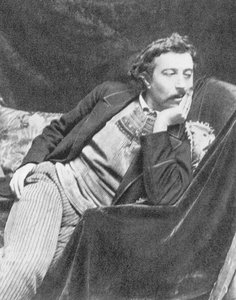
Eugène Henri Paul Gauguin

Eugène Henri Paul Gauguin

1848 - 1903 , Francuska

Brzi pregled

  • Artistic Movement Or Style: Postimpresionizam, Simbolizam
  • Artists Or Movements Influenced By This Artist:
    • Pablo Picasso
    • Henri Matisse
  • Artists Who Influenced This Artist: ['Camille Pissarro']
  • Date Of Birth: 1848.
  • Date Of Death: 1903.
  • Full Name: Eugène Henri Paul Gauguin
  • Nationality: Francuski
  • Notable Artworks:
    • Clearing
    • Vahine no te miti
    • Manao Tupapau
    • Little Breton Shepherd
  • Place Of Birth: Pariz, Francuska
Istražite umjetnička djela organizirana prema temama, stilovima i karakteristikama.