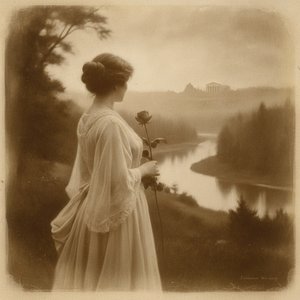
Biografija umjetnika
Kroničar starog Pariza: Život i naslijeđe Eugènea Atgeta
Rođen kao Jean-Eugène-Auguste Atget 1857. godine u mirnom francuskom gradu Libourne, fotograf koji će postati sinonim za „stari Pariz” započeo je život pod sjena gubitka. Ostavljen sirotom u ranom djetinjstvu od samo sedam godina nakon smrti oba roditelja, mladi Eugène odgajali su mu roditelji po majci u Bordeauxu. To rano iskustvo gubitka doma i možda tek buđeni osjećaj prolaznosti mogli su suptilno oblikovati njegov kasniji umjetnički nagon – opsesiju dokumentiranjem svijeta za koji je osjećao da izmiče njegovim prstima. Njegove su prvobitne ambicije bile daleko od fotografije; Atget je težio glumi, upisavši dramsku školu, no put mu je prekinula obvezna vojna služba. Kasniji pokušaj teatralne karijere u putujućoj pozornici prekinut je problemima s glasnim žicama, što ga je prisililo da preispita svoj smjer. Tek oko 1887. godine, nakon tih ranih neuspjeha, okrenuo se novoj umjetnosti fotografije, u početku stvarajući slike namijenjene prodaji umjetnicima i zanatlijama – ugodne pejzaže i prizore koji su služili kao referentni materijal.
Sistematična vizija: Dokumentiranje nestajućeg Pariza
Ključna prekretnica dogodila se oko 1897. godine, označavši pravi početak Atgetovog jedinstvenog životnog djela. Upustio se u sistematično dokumentiranje „starog Pariza”, projekta koji će ga okupirati gotovo tri desetljeća. To nije bio puki turistički osvrt na slikovite prizore; bio je to gotovo antropološki poduhvat, vođen željom da se očuva fizičko tkivo grada koji prolazi kroz brzu modernizaciju. Naoružan velikobformatnim drvenim kamerom s dužetom i koristeći staklene suhe ploče (1ms x 24 cm), Atget je pedantno bilježio uske uličice, drevne dvorišta, veličanstvene palače i užurbani ulični život koji je definirao povijesno srce Pariza. Nije ga zanimalo umjetničko ukrašavanje niti dramatična kompozicija; njegov je pristup bio temeljno dokumentaristički, težnja ka objektivnoj reprezentaciji. Od 1906. nadalje, ta je predanost donijela poslove institucijama poput Musée Carnavalet i Bibliothèque Historique de la Ville de Paris, učvrstivši njegovu ulogu služnog kroničara parizanske povijesti. Fotografirao nije samo grandiozne spomenike, već i svakodnevne detalje – izloge trgovina, ulične prodavače, sakupljače krpa, čak i prostitutke – stvarajući sveobuhvatan portret urbanog života u svojoj punoj složenosti.
Jedinstvena estetika: Atmosfera i prolaznost vremena
Atgetove fotografije posjeduju prepoznatljivu estetiku proizašlu podjednako iz tehničke nužde koliko i iz umjetničke namjere. Duga vremena ekspozicije potrebna za njegovu opremu često su rezultirala prozračnom kvalitetom slike, zamagujući pokret i stvarajući eteričnu atmosferu. To nije bila mana, već definirajuća karakteristika koja njegovim slikama daje osjećaj bezvremenosti i melanholije. Često je snimao prizore s malo ljudi ili one likove koji su zbog dugih ekspozicija izgledali poput duhova, naglašavajući prostor i ambijent umjesto oštrog detalja. Njegove kompozicije često karakterizira namjerno odsustvo dramatičnog fokusa; umjesto toga, on prikazuje široke planove, pozivajući promatrača da luta kroz scenu i upija njezinu atmosferu. Taj pristup nije se radio o hvatanju prolaznog trenutka, već o prenošenju trajne prisutnosti mjesta – težine povijesti utisnute u kamen i ulice Pariza. Nije težio interpretaciji, već bilježenju.
Odgođeno priznanje i trajni utjecaj
Unatoč svojoj predanosti i golemom obimu svog rada – procijenjeno 8.500 negativima – Atget je tijekom života dobio vrlo malo priznanja. Samo je nekolicina mladih umjetnika prepoznala genijalnost u njegovom pristupu. Tek nakon njegove smrti 1927. godine njegovo naslijeđe počinje odmotati, uglavnom zahvaljujući naporima američke fotografice Berenice Abbott. Prepoznajući važnost njegovog rada, Abbott je kupila Atgetovu arhivu i neumorno promicala njegove fotografije kroz izložbe i publikacije. Kasnije je značajan dio svoje kolekcije donirala Muzeju moderne umjetnosti (MoMA) 1968. godine, osiguravajući njezinu očuvanost i dostupnost budućim generacijama. Atgetove slike duboko su odjeknule kod surrealista, koji su cijenili njihovu evokativnu atmosferu, osjećaj misterije i sposobnost otkrivanja skrivene poezije svakodnevnog života. Danas se Eugène Atget slavi kao pionir dokumentarne fotografije, vitalni kroničar parizanske povijesti i inspiracija fotografima diljem svijeta. Njegovo djelo nastavlja nuditi neprocjenjiv uvid u urbani krajolik i društveni život Pariza kasnog 19. i ranog 20. stoljeća – kao svjedočanstvo moći strpljivog promatranja i neprolazne ljepote grada u tranziciji.



 Pregledaj u stvarnoj veličini
 Prebacite na prodaju printova
 Podijeli
 Podijeli
 Detalji
 Vodič
Vodič

 Preuzmi datoteku
 Slični predmeti
 Rentgenska snimka
 Slide show
 Statistika

 Pročitajte više






































 Opcija stakla dostupna je samo za dimenzije manje od 110 cm