BESPLATNE UMJETNIČKE KONSULTACIJE

x
Kupi otisak Kupi otisakKupi digitalnu sliku Kupi digitalnu sliku PošaljiPošalji
DetaljiDetalji Dodaj u omiljene Dodaj u omiljene PreuzmiPreuzmi Slični predmetiSlični predmeti Rentgenska snimkaRentgenska snimka Automatska prezentacijaAutomatska prezentacija

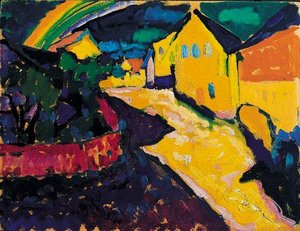
Deuring Castle, Bregenz

Experience Egon Schiele's 'Deuring Castle, Bregenz'! This Expressionist masterpiece captures the castle’s intricate design & atmosphere with bold lines and vibrant colors. Own a stunning hand-painted reproduction today!

Egon Schiele je austrijski ekspresionista koji je poznat po svojim intenzivnim psihološkim slikama i iskrenim prikazima ljudske prirode. Razvio je svoj vlastiti stil karakteriziran jednostavnom ljepotom i emocionalnom dubinom, oslanjajući se na teme smrti, seksualnosti i izolacije. otkriva reprodukcije sada!

Ručno rađena uljana reprodukcija

Ručno oslikano uljanim bojama na platnu u dimenzijama i okviru po vašem izboru, izrađeno po narudžbi od strane naših umjetnika.

P118B $10
P118H $10
P118W $10
P438Z $10
P508JH $12
P508YH $12
P805H $10
P805Z $10
P919BZ $10
P919G $10
P919XJ $10
P959ZH $10
P968JZ $12
W106C $8
W218G $10
W218JH $8
W218Y $10
W307PJ $10
W316G $10
W316PJ $8
W316Y $10
W398PJ $8
W4111J $10
W500HY $15
W500JH $15
W692G $12
W849H $8
W940BG $15
W953PJ $8

Standard
custom
CM
INCH

Odaberite jednu od naših unaprijed definiranih veličina koje odgovaraju izvornim proporcijama umjetničkog djela.

širina
visina

Možete unijeti vlastite dimenzije kako bi odgovarale određenom okviru ili prostoru. Ako odabrana veličina ne odgovara proporcijama izvorne slike, izrezat ćemo umjetničko djelo ili proširiti sliku dodatnim ručno oslikanim elementima. Digitalni nacrt bit će vam poslan na odobrenje prije početka proizvodnje.
Imajte na umu da pregled na ekranu ne prikazuje stvarno izrezivanje ili proširivanje. Samo će nacrt točno prikazati konačni sastav.
Iako su dostupne prilagođene veličine, preporučujemo odabir dimenzije s preddefiniranog popisa kako bismo očuvali izvorne proporcije.

Primjeri mogućnosti prilagodbe: Zamijenite lice fotografijom klijenta; Dodajte ljubimca (npr. zamijenite mačku psom); Uključite skrivenu poruku u pozadinu; Promijenite pejzaž ili elemente pozadine.
Nakon narudžbe, tim WahooArt.com kontaktirat će klijenta putem e-pošte radi dobivanja uputa te dostaviti probni prikaz (mockup).

Isporuka širom svijeta () u roku od 3-4 tjedna umjesto standardnih 5 tjedana. (3 Srpanj). Bez kompromisa u kvaliteti.

why_choose_icon
Besplatna ekspresna dostava širom svijeta
why_choose_icon
Visokokvalitetno laneno platno
why_choose_icon
Potpuno osiguranje dostave
why_choose_icon
Jamstvo povrata carine i uvoznih poreza
why_choose_icon
Garancija vjernog podudaranja boja
why_choose_icon
Politika povrata u roku od 60 dana (samo u slučaju nedostataka)
why_choose_icon
Jamstvo povrata 100% novca
why_choose_icon
Popust na više proizvoda

Ukupna cijena

-

reproduction

Deuring Castle, Bregenz

Tehnika reprodukcije

Veličina reprodukcije

-

Ukupna cijena

-

Osnovne informacije

  • Influences:
    • Klimt
    • Modernity
  • Dimensions: 80 x 121 cm

  • Year: 1912
  • Subject or theme: Castle & Surroundings
  • Movement: Expressionism
  • Location: Albertina Museum, Vienna
  • Notable elements: Bold lines, distorted forms

Kviz o umjetnosti

Svako pitanje ima samo jedan točan odgovor.

Pitanje 1:
What artistic movement is ‘Deuring Castle, Bregenz’ primarily associated with?
Pitanje 2:
In what year was Egon Schiele's painting ‘Deuring Castle, Bregenz’ created?
Pitanje 3:
Which of the following best describes Schiele’s use of color in ‘Deuring Castle, Bregenz’?
Pitanje 4:
The painting ‘Deuring Castle, Bregenz’ features a castle surrounded by:
Pitanje 5:
What is a key characteristic of Schiele’s artistic style, evident in ‘Deuring Castle, Bregenz’?

Opis umjetničkog djela

A Tempestuous Vision: Egon Schiele’s ‘Deuring Castle, Bregenz’

Egon Schiele's “Deuring Castle, Bregenz,” painted in 1912, isn’t merely a depiction of a Bavarian landmark; it’s a raw, intensely personal expression of the artist’s inner world. This large-scale oil painting, measuring 80 x 121 cm, embodies the core tenets of Expressionism – a movement that sought to convey not objective reality but rather the subjective experience of emotion and psychological state. Schiele, already grappling with profound loss and a burgeoning sense of existential unease following his father’s death from syphilis, transforms the familiar castle into a symbol of both grandeur and vulnerability, reflecting the anxieties simmering beneath the surface of early 20th-century Europe.

Deuring Castle, Bregenz

The Language of Line and Color

Schiele’s technique is immediately arresting. Bold, sinuous lines dominate the composition, creating a sense of dynamic movement and instability. These aren't precise renderings; instead, they are expressive gestures that convey feeling rather than form. The castle itself is fragmented and distorted, its architectural details reduced to essential shapes – a deliberate choice that undermines any notion of serene stability. The color palette is equally potent: deep blues and greens evoke a sense of melancholy and the encroaching darkness, while flashes of ochre and crimson inject moments of unsettling intensity. Notice how Schiele employs impasto—thickly applied paint—to build texture and emphasize the physicality of the brushstroke, further amplifying the painting’s emotional charge.

  • Dynamic Lines: Schiele's signature use of swirling lines creates a sense of unease and movement.
  • Fragmented Form: The castle is deliberately distorted, symbolizing vulnerability and instability.
  • Expressive Color: Deep blues and greens convey melancholy, while crimson accents introduce unsettling intensity.

A Portrait of an Artist’s Soul

Schiele's self-portraits, like the poignant “Self-Portrait with Eyelid Pulled Down,” offer a window into his tormented psyche. “Deuring Castle” can be read as an extension of this introspective approach. The castle, a symbol of permanence and tradition, is rendered in a way that suggests its own fragility – mirroring Schiele’s struggle to reconcile himself with mortality and the uncertainties of his time. The surrounding trees, depicted with frantic energy, further contribute to the painting's sense of unease, hinting at the relentless passage of time and the artist’s awareness of his own limited existence. The work resonates with the broader anxieties of the era – a period marked by social upheaval, political instability, and a growing sense of disillusionment.

Bringing Schiele Home: A Hand-Painted Reproduction

At WahooArt.com, we meticulously recreate “Deuring Castle, Bregenz” in stunning detail using the highest quality materials and employing skilled artists who understand Schiele’s unique style. Whether you desire a large-scale statement piece for your living room or a smaller reproduction to grace your study, our hand-painted oil paintings capture the essence of this iconic work while offering a timeless addition to your collection. Imagine owning an authentic representation of this emotionally charged masterpiece – a tangible link to one of the most significant figures in Expressionist art. Explore other works by Schiele and fellow Expressionists like Anton Kolig on WahooArt.com, and discover how you can bring the power of these artists into your own space.


Biografija umjetnika

A Life Forged in Expression

Born in Tulln an der Donau, Austria, on June 12, 1890, Egon Schiele’s life was a turbulent journey marked by both extraordinary artistic vision and profound personal hardship. His early years were shadowed by illness and loss; his father succumbed to syphilis when Egon was just fourteen, a tragedy that would deeply resonate within his work, fueling an obsession with mortality and the fragility of existence. Raised initially by his mother and then under the somewhat controlling guardianship of his uncle Leopold Czihaczek, Schiele’s childhood lacked conventional stability but fostered a fiercely independent spirit. Even as a boy, he displayed an intense fascination with trains—a motif that subtly reappeared in later paintings—and a burgeoning talent for drawing, though this was initially met with disapproval from his father who saw it as a distraction from more practical pursuits. The early death of his sister Elvira also cast a long shadow over the young artist’s psyche. These formative experiences instilled within him a sensitivity and an emotional rawness that would become hallmarks of his artistic expression, a constant grappling with themes of life, death, and the human condition.

Early Influences & Artistic Training

Schiele's formal artistic training began at the Kunstgewerbeschule in Vienna, but he quickly found itself stifled by its conservative approach. He transferred to the Akademie der bildenden Künste (Academy of Fine Arts), only to become further disillusioned with its rigid academic traditions. This dissatisfaction led him to abandon formal training altogether, choosing instead to forge his own path—a testament to his unwavering artistic conviction. The influence of Gustav Klimt was pivotal during these early years; Schiele admired Klimt’s decorative style and exploration of symbolism, even receiving mentorship from the established artist. Klimt's bold use of color and stylized forms captivated Schiele, shaping his aesthetic sensibilities and inspiring him to experiment with innovative techniques. However, Schiele soon diverged from Klimt's path, developing a distinctive artistic voice characterized by its stark honesty and psychological intensity.

Vienna Secession & The Rise of Expressionism

Schiele joined the Viennese Secession in 1909 alongside fellow artists Anton Faistauer, Rudolf Kalvach, Franz Wiegele, Hans Ehrlich, and Löwenstein—a group that championed avant-garde artistic ideals and challenged the prevailing aesthetic conventions. This affiliation marked a crucial turning point in Schiele’s career, exposing him to new ideas and fostering collaborations with influential figures within Vienna's art world. The Secession’s exhibitions showcased groundbreaking works by artists like Klimt and Oskar Kokoschka, introducing Schiele to a wider audience and establishing him as a prominent voice in the burgeoning Expressionist movement.

Major Works & Artistic Style

Schiele’s artistic style is immediately recognizable for its raw honesty and psychological depth. He fearlessly confronted themes often considered taboo – sexuality, death, anxiety, isolation – with an unflinching gaze. His distinctive style features elongated figures, contorted poses, and expressive lines that convey a sense of unease and emotional intensity. The human form, particularly the nude, became his primary subject, not as an object of idealized beauty but as a vessel for exploring the complexities of human experience. Self-portraits constitute a significant portion of his oeuvre, offering intimate glimpses into his inner world—a world often marked by loneliness and self-doubt. He didn’t shy away from depicting himself in unflattering or vulnerable poses, revealing a profound level of self-awareness and introspection. Recurring motifs like the *Physalis plant* – symbolizing death and transience with its delicate, papery husk – further underscore this preoccupation with mortality.

Legacy & Influence

Despite facing censorship and legal challenges—including a brief imprisonment for allegedly corrupting minors with his art—Schiele gained recognition within Vienna’s avant-garde circles. His work challenged the conventions of the time, provoking both admiration and outrage. By the time of his untimely death during the Spanish flu pandemic in 1918 at the age of twenty-eight, he had established himself as a leading figure in Austrian Expressionism. Significant works such as Self-Portrait with Physalis, Couple Embracing, and Field Landscape (Kreuzberg near Krumau) stand as testaments to his artistic genius. Schiele’s influence on subsequent generations of artists is undeniable—particularly those interested in exploring psychological themes and challenging conventional artistic norms. His bold approach to form and subject matter continues to resonate with audiences today, making him one of the most important and influential figures in early 20th-century art. He left behind a body of work that is not merely aesthetically compelling but profoundly human—a testament to the power of art to confront the complexities of existence with honesty, courage, and unwavering vision.

Egon Schiele

Egon Schiele

1890 - 1918 , Австрија

Osnovne informacije

  • Artistic Movement Or Style: Ekspresionizam
  • Artists Who Influenced This Artist: ['Gustav Klimt']
  • Date Of Birth: 12. lipnja 1890.
  • Date Of Death: 31. listopada 1918.
  • Full Name: Egon Schiele
  • Nationality: Austrijan
  • Notable Artworks:
    • Samoportret s fizišalom
    • Par koji se ljubi
    • Polje pejzaža
  • Place Of Birth: Tulln an der Donau, Austrija
Istražite umjetnička djela organizirana prema temama, stilovima i karakteristikama.