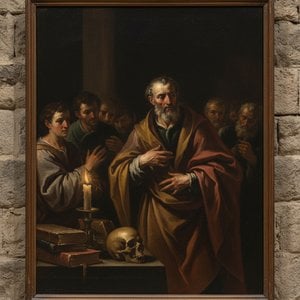
Diego Velázquez: Španjolski Majstor Svjetla i Sjene
Diego Rodríguez de Silva y Velázquez, rođen u Sevilji 1599. godine, zauzima jedinstveno mjesto u povijesti umjetnosti – ne samo kao španjolski majstor, već i kao ključna figura čiji su inovativni potezi odjekivali kroz stoljeća. Njegov život se razvijao tijekom Španjolske zlatne epohe, doba definirano carskom snagom i kulturnim procvatom, a njegova umjetnost postala je neodvojivo povezana s veličinom i složenostima habsburskog dvora. Od skromnih početaka, Velázquez se uzdigao do više od pukog slikara; bio je vizualni tumač carstva, bilježeći vladare, dvorjane i svakodnevni život neusporedivom realizmom i psihološkom dubinom. Njegovo putovanje započelo pod mentorstvom Francisca de Herrere el Vieja i, ključno, s Francisco Pachecoom, čije je rigorozno školovanje u njega utisnulo temelj tehničkih vještina, proporcija i klasicizma. Međutim, upravo Velazquezov urođeni talent – izvanredna osjetljivost na svjetlo, boju i ljudski karakter – istinski ga je izdvojila. Čak su i rani radovi poput *Stare žene koja prži jaja* nagovještavali revolucionarni pristup koji će primijeniti u slikanju žanrovskih scena, prožimajući obične prizore dostojanstvom i neposrednošću koju se do tada rijetko viđala.
Uspon na Dvor Filipa IV.
Godine 1623., s dvadesetčetiri godine, Velázquez je donio transformativnu odluku preseliti se u Madrid, tražeći pokroviteljstvo u srcu španjolske moći. Ovaj potez se pokazao ključnim. Brzo je stekao priznanje i imenovan je dvorjanin-slikar kralja Filipa IV. 1628. godine, pozicija koju će zadržati do kraja života. Ova imenovanj nije bilo samo osiguranje zaposlenosti; dodijelila mu je neusporedivu blizinu kraljevskoj obitelji i plemstvu, omogućujući mu da postane kroničar kroz sliku. Za razliku od mnogih dvorjanskih umjetnika koji su idealizirali svoje subjekte, Velázquez se trudio za nepokolebljivim realizmom. Depictirao je Filipa IV. ne kao udaljenu simbol vlasti, već kao čovjeka – inteligentnog, melankoličnog i opterećenog odgovornošću. Ova predanost istini, u kombinaciji s njegovom majstorskom tehnikom, zaradila mu je kraljevsko povjerenje i sve veći umjetnički slobodu. Njegovi raniji dvoranski portreti pokazuju razvoj stila, odmaknuvši se od rigidne formalnosti ranije španjolske portreture prema prirodnijem i psihološki uvidljivijem pristupu. Utjecaj venecijanskih majstora poput Titiana – čija su djela Filip IV. strastveno prikupljao – vidljiv je u Velazquezovom sve tečnijem potezu kista i bogatijim paletama boja. On je upio pouke venecijanskog slikarstva, posebice naglasak na boji i labavom potezu kista, pretvarajući ih u nešto jedinstveno njegovo.
Zenit Umjetničke Inovacije: *Las Meninas* i Izvan
Velazquezova umjetnička genijalnost dosegla je svoj vrhunac 1650-ih godina, kulminirajući stvaranjem njegovog remek-djela, *Las Meninas* (1656.). Ova slika nije samo portret; to je složena meditacija o samoj umjetnosti. Depictira Infantu Margaritu Tereziju okruženu njezinim dvorjanima, patuljcima i drugim članovima dvora, dok Velázquez stoji pred velikom platnom, kao da ga love u samom aktu slikanja. Uključivanje kralja i kraljice odraženo u ogledalu straga dodaje još jednu razinu intrige, izmažući granice između promatrača i opažanog, stvarnosti i reprezentacije. *Las Meninas* je majstorski prikaz perspektive, kompozicije i psihološkog uvida, izazivajući gledatelje da pitaju svoju ulogu u činu gledanja. To je slika o gledanju, biću viđenom i samoj prirodi umjetničkog stvaranja. Ostala značajna djela iz tog razdoblja uključuju *Predaja Breda*, snažan prikaz španjolske pobjede s iznimnom ljudskošću, i portrete poput *Dona Mariane od Austrije*, koji pokazuju njegovu sposobnost da uhvati i kraljevsku dostojanstvenost i unutarnju ranjivost. Njegova tehnika je nastavljala se razvijati, obilježena labavim potezom kista, suptilnim gradacijama tona i izvanrednom osjetljivošću na svjetlo i atmosferu – značajkom koja će duboko utjecati na generacije umjetnika.
Nasljeđe i Trajni Utjecaj
Diego Velázquez je umro u Madridu 1660. godine, ostavivši iza sebe djelo koje će prožeti tok zapadne umjetnosti. Njegov naglasak na realizmu, njegov inovativni pristup svjetlu i sjeni te njegova psihološka dubina otvorila su nova vrata u slikarstvu. On nije samo bilježio izglede; uhvaćao je bit ljudskog iskustva. U 19. stoljeću, francuski realistički slikari poput Gustava Courbeta gledali su na Velazqueza kao uzor za svoju predanost prikazivanju života bez idealizacije. *Édouard Manet*, duboko inspiriran *Las Meninas*, izravno je referirao na Velazquezovu kompoziciju u svojim djelima, demonstrirajući trajanu moć španjolskog majstora vizije. U 20. stoljeću, umjetnici poput Pabla Picassa i Francisa Bacona angažirali su se s Velazquezovim slikama reinterpretacijama i počastima, prepoznajući njegovu stalnu važnost za modernu umjetnost. Picasso je, na primjer, stvorio niz varijacija na *Las Meninas*, istražujući njezin kompozicijski okvir i psihološke složenosti. Danas se Velazquezova remek-djela nalaze u muzejima diljem svijeta, najviše u Museo del Prado u Madridu, gdje posjetitelji mogu iz prve ruke doživjeti sjaj ovog izvanrednog umjetnika. Njegovo nasljeđe nastavlja nadahnjivati usplah i divljenje, čvrsto utvrđujući njegovo mjesto jednog od najvećih slikara koji su ikada živjeli – majstora svjetla, sjene i ljudskog duha.
Ključna Djela & Zbirke
- *Las Meninas* (1656): Museo del Prado, Madrid - Nedvojbeno njegovo najpoznatije djelo, složen portret kraljske obitelji.
- *Predaja Breda* (1634-1635): Museo del Prado, Madrid – Snažan prikaz španjolske pobjede s iznimnom ljudskošću.
- *Venera u ogledalu* (c. 1647–1651): Museo del Prado, Madrid - Demonstrira njegovu vještinu balansiranja realizma i ljepote.
- *Dona Mariana od Austrije, Kraljica Španjolske* (1649): Museo del Prado, Madrid – Zapanjujući portret koji prikazuje kraljevsku eleganciju.
- *Portret pape Inocenta X.* (1650): Galleria Doria Pamphilj, Rim - Prijatno i nekonvencionalno prikazivanje poglavara Crkve.
- *Autoportret* (1643): Musée des Beaux-Arts, Valence – Otkriva dostojanstvenog i introspektivnog umjetnika.
Njegova djela se ističu u: Museo del Prado (Madrid), Musée des Beaux-Arts (Valence) i brojnim drugim prestižnim zbirkama diljem svijeta.



 Pregledaj u stvarnoj veličini
 Naručite ručno oslikano reprodukciju
 Podijeli
 Podijeli
 Detalji
 Vodič
Vodič

 Preuzmi datoteku
 Slični predmeti
 Rentgenska snimka
 Slide show
 Statistika

 Pročitajte više






































 Opcija stakla dostupna je samo za dimenzije manje od 110 cm