


 Oil On CanvasWallArtOrientalist Painting
 1854
1854 56.0 x 130.0 cm
 Yale Center for British Art
Ručno oslikano uljanim bojama na platnu u dimenzijama i okviru po vašem izboru, izrađeno po narudžbi od strane naših umjetnika. ( Kupi print Kupi digitalnu sliku)





























Odaberite jednu od naših unaprijed definiranih veličina koje odgovaraju izvornim proporcijama umjetničkog djela.

Možete unijeti vlastite dimenzije kako bi odgovarale određenom okviru ili prostoru. Ako odabrana veličina ne odgovara proporcijama izvorne slike, izrezat ćemo umjetničko djelo ili proširiti sliku dodatnim ručno oslikanim elementima. Digitalni nacrt bit će vam poslan na odobrenje prije početka proizvodnje.
Imajte na umu da pregled na ekranu ne prikazuje stvarno izrezivanje ili proširivanje. Samo će nacrt točno prikazati konačni sastav.
Iako su dostupne prilagođene veličine, preporučujemo odabir dimenzije s preddefiniranog popisa kako bismo očuvali izvorne proporcije.
Isporuka širom svijeta () u roku od 3-4 tjedna umjesto standardnih 5 tjedana. (7 Rujan). Bez kompromisa u kvaliteti.


The Giudecca, Venice
Veličina reprodukcije
David Roberts’s “The Giudecca, Venice” isn't merely a depiction of a cityscape; it’s a carefully constructed tableau of light, atmosphere, and the enduring spirit of a city steeped in history. Painted in 1854, during his prolific period documenting the Near East and Europe, this work offers a remarkably intimate view of Venice from across the lagoon – a moment suspended between the bustling activity of the water and the dignified solidity of the island’s architecture. Roberts, a Scottish painter celebrated for his meticulous Orientalist scenes and pioneering lithographs, masterfully captures the unique character of Venice, imbuing it with a sense of both timeless beauty and vibrant life.
The painting immediately draws the eye to the shimmering expanse of the lagoon, rendered in layers of delicate blues and greens. The water isn’t simply a backdrop; it's an active participant in the scene, reflecting the light and subtly distorting the shapes of the buildings along the Giudecca peninsula. Roberts’s brushwork is remarkably controlled – precise yet fluid – creating a sense of depth and movement that belies the static nature of a painted image. Notice how he uses broken color to suggest the play of sunlight on the water's surface, mimicking the dappled effect of light filtering through the Venetian mist.
Roberts was known for his exceptional technical skill, honed initially through an apprenticeship as a house painter. This foundational experience instilled in him a deep understanding of color mixing, perspective, and the application of paint – qualities that are evident throughout “The Giudecca.” He employed a technique often described as ‘plein air’ painting, working directly from observation to capture the fleeting effects of light and atmosphere. His palette is rich and nuanced, favoring subtle gradations of color rather than bold contrasts. The buildings themselves are rendered with remarkable detail – the weathered facades, the intricate window frames, and the delicate tracery of the arches all testify to Roberts’s meticulous attention to detail.
The painting's style leans towards Luminism, a movement emphasizing the effects of light and atmosphere. Roberts skillfully uses highlights and shadows to create a sense of volume and depth, drawing the viewer into the scene. The composition is carefully balanced, with the buildings arranged in a harmonious sequence that guides the eye across the canvas. There’s an almost photographic quality to the image – a testament to Roberts's keen observational skills and his ability to translate what he saw onto the canvas.
“The Giudecca, Venice” was created during a period of significant change in Europe. The Industrial Revolution was transforming society, while the rise of photography challenged traditional artistic practices. Roberts’s work reflects this dynamic environment – he embraced new techniques and approaches while remaining firmly rooted in the traditions of academic painting. His travels to the Middle East had profoundly influenced his artistic vision, imbuing his paintings with a sense of exoticism and cultural awareness.
The painting offers a valuable glimpse into Venice as it existed during the mid-19th century – a city grappling with the challenges of modernity while clinging fiercely to its rich history and traditions. The presence of numerous boats, including gondolas, speaks to the vital role that water played in Venetian life. The scene is alive with activity—merchants, laborers, and residents going about their daily routines. It’s a vibrant portrait of a city at the crossroads of East and West.
Beyond its technical brilliance, “The Giudecca, Venice” possesses a subtle emotional resonance. The painting evokes a sense of nostalgia for a bygone era – a time when Venice was a powerful maritime republic and a center of trade and culture. There’s also an underlying feeling of melancholy—a recognition that this once-great city is now facing the challenges of tourism and environmental degradation. Yet, despite these concerns, Roberts's painting celebrates the enduring beauty and spirit of Venice, capturing its essence with remarkable clarity and grace.
Reproductions of “The Giudecca, Venice” offer a stunning way to bring this iconic image into your home or office. WahooArt’s high-quality reproductions faithfully capture the painting's rich colors and intricate details, allowing you to appreciate Roberts’s artistry for generations to come.

David Roberts (1796-1864), škotski slikar, ostavio je neizbrisiv trag u povijesti umjetnosti svojim detaljnim orijentalističkim scenama i preciznim litografijama. Njegovo djelo predstavlja dragocjenu vizualnu dokumentaciju Bliskog Istoka tijekom 19. stoljeća, spajajući umjetničku interpretaciju s povijesnom zbiljom. Roberts je rođen 24. listopada 1796. godine u Stockbridgeu blizu Edinburgha, a njegov rani život bio je obilježen praktičnim obrazovanjem. U dobi od deset godina započeo je učeništvo kod slikara i dekoratera Gavina Beuga. To mu je iskustvo usadilo snažnu tehničku vještinu koju je nadopunjavao večernjim umjetničkim studijima.
Njegov rani profesionalni rad uključivao je preuređivanje palače Scone 1815. godine. Zatim se okrenuo slikanju pozornica za cirkus Jamesa Bannistera, usavršavajući vještinu stvaranja impresivnih ambijenata. Ta su mu rani iskustva postavila temelje za njegov kasniji uspjeh kao istaknutog orijentalističkog slikara.
Roberts je umjetnički razvoj oblikovala rastuća fascinacija različitim kulturama i krajolicima. Iako se isprva usredotočio na pozorne kulise, postupno se preusmjerio na neovisnije umjetničke pothvate. Njegova putovanja u Španjolsku 1832. godine bila su formativna, potaknuvši zanimanje za arhitektonske detalje i egzotične lokacije.
Međutim, upravo su njegova opsežna putovanja Egiptom i Bliskim Istokom (1838-1840) uistinu definirala njegovu karijeru. Ta su mu putovanja pružila bogatstvo skica i opažanja koje je kasnije pretočio u svoja najpoznatija djela. Njegov stil nije bio snažno utjecan od strane pojedinog umjetnika, već se razvijao kroz pažljivo promatranje i tehničku majstoriju.
Roberts je najpoznatiji po seriji The Holy Land, Syria, Idumea, Arabia, Egypt, and Nubia – niz precizno detaljnih litografskih otisaka. Te su slike uhvatile veličanstvenost drevnih lokaliteta i živopisnost suvremenog života u tom području.
Godine 1841., Roberts je izabran za člana Kraljevske akademije umjetnosti – značajno priznanje njegovog doprinosa umjetničkom svijetu.
Roberts’s stil se karakterizira:
Djelo Davida Robertsa odigralo je ključnu ulogu u popularizaciji Bliskog Istoka među europskom publikom. Njegove su slike pružile vizualni prozor u regiju koja je bila uglavnom nepoznata mnogima, utječući na putovanja, znanost i umjetničku reprezentaciju.
Njegove litografije služile su kao važni povijesni dokumenti, očuvavši slike lokaliteta koji su se kasnije promijenili ili izgubili. Ostavio je neizbrisiv trag u umjetničkom svijetu, nadahnjujući kasnije generacije umjetnika i nastavljajući zadivljavati gledatelje i danas.

1796 - 1864 , Ujedinjeno Kraljevstvo
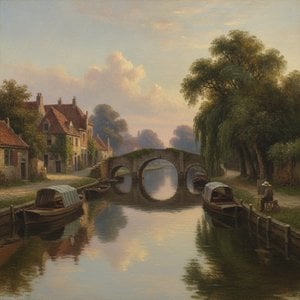
Embark on a visual journey through the tranquil beauty of canal scenes in fine art. Discover how master painters capture light, reflection, and serenity through impressionistic landscapes and timeless maritime masterpieces.

Embark on a visual journey through Italy's most iconic landscapes and Renaissance masterpieces. Discover the profound beauty of classical art, from Venetian altarpieces to serene countryside vistas, curated for the discerning art enthusiast and collector.

 Pregledaj u stvarnoj veličini
 Pošalji
 Podijeli
 Detalji o umjetničkom djelu

 Preuzmi
 Slični predmeti
 Rentgenska snimka
 Automatska prezentacija
 Prikaži više







 Opcija stakla dostupna je samo za dimenzije manje od 110 cm


