Pregledaj u realnoj veličini Pregled u AR-u Prebacite na printove Kupi ručno oslikano djelo Pošalji
Detalji o umjetničkom djelu Vodič Dodaj u omiljene Preuzmi umjetničko djelo Slični predmeti Rentgenska snimka Slide show Statistika

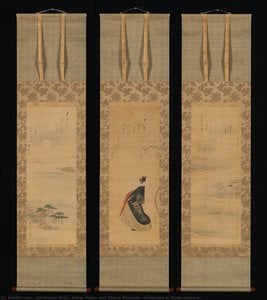
Praying for rain

Explore the captivating world of chobunsai eishi, a renowned Japanese ukiyo-e artist celebrated for his exquisite bijin-ga portraits & scenes from 'The Tale of Genji'. Discover his legacy!

Preuzmite datoteku spremnu za tisak koja nadilazi kvalitetu web prikaza. Svaka digitalna slika koju prodajemo potječe iz visokorezolucijske master datoteke iz naše baze — obično širine od 5.000 do 15.000 piksela — što vam omogućuje tisak velikih dimenzija, precizno izrezivanje ili sigurnu reprodukciju najfinijih detalja.

Nijedna datoteka ne napušta naš studio netaknuta. Digitalni stručnjak uspoređuje boje s izvornom slikom i po potrebi ih ispravlja, a zatim poboljšava jasnoću i detalje pomoću profesionalnih alata za retuširanje — uvijek ostajući vjerni umjetnikovim potezima četkice i stilu. Rezultat je prikaz koji izgleda kao slika, a ne kao sken s filtrima.

Odobravate prije završetka: naš stručnjak šalje sliku e-poštom u roku od 72 sata na vaš pregled. Niste zadovoljni? Zatražite poboljšanja ili ispravke, ili tražite povrat novca ako kvaliteta ne ispunjava vaša očekivanja.

To je kvaliteta na koju se oslanjaju izdavači, dizajn studiji, galerije i tiskare.

Digitalna slika

Preuzmite datoteku visoke rezolucije za osobnu izložbu, tisak i kreativne projekte. ( Prebacite na printove Kupi ručno oslikano djelo)

Ukupna cijena

€ 21,90

Uključeno uz svaku narudžbu digitalne slike

Profesionalna digitalna dostava, zajamčena

Odabirom WahooArt.com ne dobivate samo sliku – dobivate profesionalno unapređeno digitalno umjetničko djelo, izrađeno s najvećom preciznošću uz jamstvo zadovoljstva. Evo svega što automatski dolazi uz vašu narudžbu:

Brza dostava e-poštom

Vaša digitalna slika visoke rezolucije bit će vam poslana e-mailom u roku od 72 sata od trenutka narudžbe – spremna za neposrednu upotrebu.

Digitalna datoteka poboljšana umjetnom inteligencijom

Vaše umjetničko djelo profesionalno je optimizirano pomoću naprednih AI alata i ručnog uređivanja, čime se osigurava maksimalna razina detalja, oštrine i točnosti boja.

Besplatna doživotna ponovna dostava

Slučajno ste obrisali ili izgubili svoju datoteku? Ne brinite – ponovno ćemo vam je poslati u bilo kojem trenutku, potpuno besplatno.

Bez uvoznih pristojnika – ikada

Uživajte u svojim umjetničkim djelima trenutno, bez carina, pristojbi ili troškova dostave – digitalni downloadi uvijek su oslobođeni poreza.

Jamstvo točnosti boja

Uz pomoć profesionalnih alata i upravljanja bojama, osiguravamo da vaša digitalna slika što vjernije odražava izvorne boje.

Jamstvo zadovoljstva u trajanju od 100 dana

Ako niste zadovoljni svojom digitalnom slikom, revidirat ćemo je ili vratiti 100% iznosa u roku od 100 dana – bez suvišnih pitanja.

100% Jamstvo povrata novca

Niste zadovoljni? Osigurajte puni povrat novca u roku od 100 dana od primitka digitalne datoteke – bez suvišnih pitanja.

Popusti na velike narudžbe

Kupite 3 slike, uštedite 10% - Kupite 5 slika, uštedite 15% - Kupite 10+ slika, uštedite 20%. Odlično za kreativne projekte, galerije i agencije.


Biografija umjetnika

Chobunsai Eishi: The Poet of Beauty

Chobunsai Eishi (1756-1829), also known as Hosoda Tokitomi, stands as a pivotal figure in the vibrant world of Edo-period Japanese art. Born into a distinguished samurai family within the prestigious Fujiwara clan – a lineage tracing back to influential roles within the shogunate – Eishi’s life was one of privilege and ultimately, artistic liberation. His early years were marked by service within the Tokugawa court, a position he relinquished in 1789 to dedicate himself fully to his passion: capturing the exquisite beauty of women and the evocative narratives of classic literature. Eishi's legacy rests primarily on his masterful *bijin-ga* – portraits of beautiful women – but his work also encompasses scenes drawn from celebrated tales like “The Tale of Genji,” demonstrating a profound understanding of both artistic technique and cultural storytelling.

Early Life and Artistic Foundations

Eishi’s origins were steeped in tradition and influence. His grandfather, Hosoda Tokitoshi, had served as Treasury Minister to the shogunate, providing his family with a secure position within the imperial system. This background instilled in Eishi a sense of decorum and an appreciation for refined aesthetics. While the exact circumstances surrounding his artistic awakening remain somewhat shrouded in mystery, it’s believed he received early instruction from Kanō Michinobu, a prominent master of the Kanō school of painting – renowned for its meticulous detail and stylized depictions of nature and religious subjects. The influence of this training is evident in Eishi's initial works, which shared some stylistic similarities with the Kanō tradition. However, Eishi quickly forged his own distinctive path, establishing himself as a leading figure within the *ukiyo-e* genre, known for its woodblock prints capturing fleeting moments of beauty and everyday life. The name “Eishi,” bestowed upon him – whether by Shogun Ieharu or through tradition – marked a significant step in his artistic journey, signifying his recognition as a skilled artist.

A Rivalry of Styles: Kiyonaga and Utamaro

Eishi’s rise to prominence coincided with the flourishing careers of two other masters of *bijin-ga*: Kitagawa Kiyonaga and Utamaro Nishimura. Initially, Eishi found himself in direct competition with Kiyonaga, whose bold compositions and dramatic use of color set a high standard for portraiture. However, Eishi’s unique approach – characterized by an emphasis on elegance, subtlety, and a nuanced portrayal of female beauty – gradually established him as a distinct voice within the field. He skillfully captured not just physical appearance but also the inner lives and emotions of his subjects, creating portraits that resonated with viewers long after they were created. While Kiyonaga favored grand scale and theatrical presentation, Eishi excelled at conveying intimacy and grace, often depicting women in quiet moments of contemplation or delicate activities. This subtle difference in style ultimately cemented Eishi’s place alongside Utamaro as one of the most celebrated *bijin-ga* artists of his time.

Technique and Subject Matter

Eishi's technical prowess was remarkable, particularly for a period when woodblock printing was still evolving. He mastered the art of color layering – *nishiki-e*, utilizing multiple colors to create rich, luminous effects. His prints often featured subdued tones, reflecting contemporary regulations that discouraged ostentatious displays of wealth and extravagance. However, Eishi’s skill lay not just in his technical execution but also in his ability to imbue his subjects with a sense of life and personality. He frequently depicted women engaged in literary pursuits, such as reading or writing poetry – drawing inspiration from classic tales like “The Tale of Genji.” These scenes offered glimpses into the lives of women during the Edo period, revealing their intellectual interests and social roles. Notably, Eishi’s later works became increasingly characterized by elongated figures, with heads disproportionately small—a stylistic choice that emphasized elegance and refinement.

Legacy and Influence

Following 1801, Eishi abandoned print design to dedicate himself entirely to painting, a decision that solidified his reputation as a master of the brush. He was granted the honorary title *Jibukyō* (治部卿), recognizing his exceptional talent and contributions to the arts. His final years were marked by quiet contemplation and artistic refinement. Eishi’s work continues to captivate audiences today, admired for its exquisite beauty, subtle emotional depth, and masterful technical execution. His influence can be seen in subsequent generations of *ukiyo-e* artists, who drew inspiration from his elegant style and innovative approach to portraiture. Chobunsai Eishi remains a testament to the power of artistic vision and the enduring appeal of capturing the beauty of human experience through art. His prints are held in major museums worldwide, ensuring that his legacy will continue to inspire and delight for centuries to come.
Chobunsai Eishi

Chobunsai Eishi

1756 - 1800

Kratki pregled

  • Full Name: chobunsai eishi (Hosoda Tokitomi)
  • Nationality: Japanese
  • Date Of Birth: 1756
  • Date Of Death: 1800
  • Place Of Birth: Japan
  • Notable Artworks:
    • Snow, Moon, and Cherry Blossoms
    • Three Gods… Yoshiwara
    • Three Women… Sumida River
  • Artistic Movement Or Style: Ukiyo-e, Bijin-ga
  • Artists Who Influenced This Artist: ['Kanō Michinobu']
  • Artists Or Movements Influenced By This Artist:
    • Kiyonaga
    • Utamaro