


Giclée tisak muzejske kvalitete ili otisak na platnu uz brzu izradu i raznolike opcije završne obrade. ( Kupi ručno oslikano djelo Prebacite na digitalnu sliku)





























Odaberite jednu od naših unaprijed definiranih veličina koje odgovaraju izvornim proporcijama umjetničkog djela.

Unesite potrebnu širinu i visinu kako bi odgovarali vašem okviru ili zidu. Print se može samo izrezati, nikada ne može biti veći od slike, stoga format s drugačijim omjerom stranica uzrokuje gubitak dijela slike. Prije bilo kakve štampe šaljemo vam digitalni prikaz (mockup) na odobrenje. Slika prikazana na ovoj stranici ne prikazuje stvarni rez — to prikazuje isključivo digitalni prikaz.
Dostava širom svijeta () u roku od 2 tjedna umjesto standardnih 4/5 tjedana. (8 Studeni)
Angels Pity
Veličina reprodukcije
In the quiet, hallowed atmosphere of the Early Renaissance, few works capture the intersection of human sorrow and divine grace as poignantly as Carlo Crivelli’s "Angels Pity." Painted in 1470, this masterpiece serves as a profound meditation on tenderness and spiritual devotion. The scene unfolds with an intimate warmth, presenting Jesus cradling two children within his arms—a gesture that transcends mere historical depiction to become a universal symbol of protection and innocence. Surrounded by a celestial assembly of angels and watchful figures, the composition draws the viewer into a sacred circle of empathy. Even the subtle presence of a solitary bird in the upper corner acts as a silent witness, lending an air of tranquility to a moment heavy with emotional significance.
The artistry of Crivelli is on full display through his masterful command of color and light. Utilizing soft, luminous hues and delicate brushstrokes, the artist creates a sense of palpable intimacy that makes the divine feel reachable. The painting is a triumph of the Early Renaissance style, where every detail is rendered with an almost obsessive realism. Crivelli’s technique involves the meticulous application of oil glazes on wood panel, building layers of color to achieve a radiant depth. This method allows light to appear as if it is emanating from within the figures themselves, highlighting the soft textures of skin and the intricate folds of drapery, thereby inviting the observer to linger on the subtle nuances of the composition.
Beyond its visual splendor, "Angels Pity" is a rich tapestry of Christian iconography designed to provoke deep reflection. The arrangement of the figures within an arched niche creates a sense of sacred enclosure, separating the holy event from the mundane world. Every element serves a symbolic purpose: the tender way Jesus holds the children reflects the theological concept of divine mercy, while the surrounding angels represent the bridge between heaven and earth. Crivelli’s use of trompe l'oeil—a technique intended to trick the eye into perceiving three-dimensional reality—adds a layer of tactile presence to the work, making the spiritual themes feel grounded in a tangible, physical reality.
For the discerning collector or interior designer, this painting offers more than mere decoration; it provides an emotional anchor for any space. The somber yet serene mood makes it an ideal centerpiece for rooms dedicated to contemplation, study, or quiet luxury. Whether one is drawn to its historical significance as a product of the Venetian-influenced March of Ancona or moved by its profound expression of compassion, "Angels Pity" remains a timeless testament to the power of art to evoke the sublime. Owning a high-quality reproduction of this work allows for the preservation of this Renaissance spirit, bringing a sense of historical weight and aesthetic harmony into the modern home.
Djelo "Angels Pity" autora Carlo Crivelli možete isprobati na vlastitom zidu pomoću stranice Pregled u proširenoj stvarnosti, koristeći proširenu stvarnost na kompatibilnom uređaju.
Djela slična djelu "Angels Pity" možete pronaći na stranici Slična djela tog umjetničkog djela.
"Angels Pity" autora Carlo Crivelli potječe iz razdoblja Renaissance. To razdoblje daje povijesni kontekst djela.

Carlo Crivelli, istovremeni talijanski renesansni slikar, rođen je u Veneciji oko 1430. ili 1435. godine. Potekao je iz obitelji slikara, što mu je pružilo čvrste temelje, a svoje umjetničko oblikovanje stjecao je u Veneciji i Padovi. Vjeruje se da je svoje rane edukacije prošao pod vodstvom Jacobella del Fiorea, koji je bio aktivan još 1436. godine, te je također studirao u školi Vivarinija u samoj Veneciji.
Svoje su rane godine Crivelli proveo u regiji Veneto, upijajući neprocjenjive utjecaje majstora poput Vivarinija, Squarcionea i Mantegne. Do 1458. godine napustio je Veneto te je veći dio svoje karijere proveo u regiji Marca d'Ancona, gdje je razvio izrazito osoban stil koji se suprotstavlja radovima njegovog venecijanskog suvremenika, Giovanna Bellinija. Crivellovo djelo prepoznatljivo je po konzervativnoj dekorativnoj senzibilitetnosti kasnog gotikog, obilježeno linearnom preciznošću, nevjerojatnom pažnjom do detalja i maestiranim korištenjem tehnika trompe l'oeil koje zavode oko.
* Crivellino remek-djelo "Madonna i dijete na prijestolju" (106 x 55 cm, Muzej fine umjetnosti, Budimpešta, Mađarska) savršen je primjer njegovog unikatnog stila. * Na nekoliko projekata surađivao je sa svojim mlađim bratom, Vittoriom Crivellijem. * Njegov učenik i suradnik bio je i Pietro Alemanno, slikar koji je emigrirao u regiju Marca d'Ancona iz Njemačke ili Austrije.
* Pinacoteca di Brera u Milanu, Italija, čuva nekoliko Crivellinih djela, uključujući i "Pietà" (128 x 241 cm). * Muzej San Giovanni in Bragora u Veneciji, Italija, posjeduje kolekciju umjetnina iz različitih perioda i stilova, među kojima se nalaze i djela pripisana Crivelliju.
Crivellijevo naslijeđe i dalje neprestano inspirira ljubitelje umjetnosti i znanstvenike, a njegovo djelo ostaje vječni dokaz trajne snage konzervativne dekorativne senzibilnosti kasnog gotikog stila.

1435 - 1495 , Italia

Discover the enduring legacy of oil on board painting. Explore how historical techniques, rich impasto textures, and structural durability create timeless masterpieces that bridge Renaissance grandeur with modern art collecting excellence.

Discover the profound allure of oil on canvas. Explore the mastery of impasto textures, the science of pigment longevity, and expert guides to selecting museum-quality reproductions that elevate your collection with timeless elegance and tactile depth.

Discover the enduring allure of oil on canvas. Explore how master techniques like impasto and glazing create the depth, texture, and emotional resonance found in the world's greatest masterpieces. An essential guide for fine art enthusiasts and discerning collectors.

Discover the enduring allure of hand-painted oil reproductions. WahooArt offers museum-quality, archival masterpieces designed for discerning collectors seeking timeless beauty and a lasting legacy. Invest in fine art that transcends generations with our expert craftsmanship.
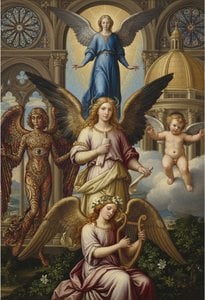
Explore the profound beauty of angelic figures in art history. From Renaissance masterpieces to celestial symbolism, our expert guide offers a sophisticated journey through the divine imagery of the Old Masters for discerning collectors and art enthusiasts.
 Pregledaj u realnoj veličini
 Pošalji
 Podijeli
 Detalji o umjetničkom djelu
 Vodič
Vodič

 Preuzmi umjetničko djelo
 Slični predmeti
 Rentgenska snimka
 Slide show
 Pitanja i odgovori
 Statistika

 Prikaži više









 Opcija stakla dostupna je samo za dimenzije manje od 110 cm


