Pregledaj u stvarnoj veličini Isprobaj u AR-u Naručite ručno oslikano reprodukciju Prebacite na digitalnu prodaju slika Podijeli
Detalji Vodič Dodaj u omiljene Preuzmi datoteku Slični predmeti Rentgenska snimka Slide show Statistika

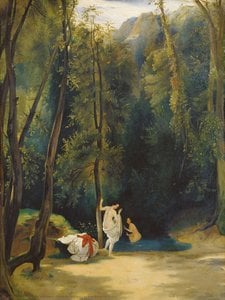
Scaffold in Storm

Experience 'Scaffold in Storm' by Carl Blechen – a dramatic Romantic landscape capturing industrialization’s impact. Explore the stormy scene, unique style & artist's vision of a changing world.

Carl Blechen (1798-1840) bio je njemački romantičarski slikar poznat po upečatljivim pejzažima i pionirskim prikazima rane industrializacije. Istražite njegove talijanske skice i trajni utjecaj.

Giclée / Umjetnički otisak

Giclée tisak muzejske kvalitete ili otisak na platnu uz brzu proizvodnju i fleksibilne opcije završne obrade. ( Naručite ručno oslikano reprodukciju Prebacite na digitalnu prodaju slika)

Corner sample of the P118B picture frame: ližani polistiren, 5 cm wide and 3 cm thick
P118B €10
Corner sample of the P118H picture frame: ližani polistiren, 5 cm wide and 3 cm thick
P118H €10
Corner sample of the P118W picture frame: ližani polistiren, 5 cm wide and 3 cm thick
P118W €10
Corner sample of the P438Z picture frame: ližani polistiren, 5.5 cm wide and 3.5 cm thick
P438Z €10
Corner sample of the P508JH picture frame: ližani polistiren, 7 cm wide and 3.5 cm thick
P508JH €12
Corner sample of the P508YH picture frame: ližani polistiren, 7 cm wide and 3.5 cm thick
P508YH €12
Corner sample of the P805H picture frame: ližani polistiren, 5 cm wide and 3.5 cm thick
P805H €10
Corner sample of the P805Z picture frame: ližani polistiren, 5 cm wide and 3.5 cm thick
P805Z €10
Corner sample of the P919BZ picture frame: ližani polistiren, 7 cm wide and 3.5 cm thick
P919BZ €10
Corner sample of the P919G picture frame: ližani polistiren, 7 cm wide and 3.5 cm thick
P919G €10
Corner sample of the P919XJ picture frame: ližani polistiren, 7 cm wide and 3.5 cm thick
P919XJ €10
Corner sample of the P959ZH picture frame: ližani polistiren, 5 cm wide and 3 cm thick
P959ZH €10
Corner sample of the P968JZ picture frame: ližani polistiren, 6 cm wide and 4 cm thick
P968JZ €12
Corner sample of the W106C picture frame: masivno drvo, 5 cm wide and 3 cm thick
W106C €8
Corner sample of the W218G picture frame: masivno drvo, 5 cm wide and 3 cm thick
W218G €10
Corner sample of the W218JH picture frame: masivno drvo, 5 cm wide and 3 cm thick
W218JH €8
Corner sample of the W218Y picture frame: masivno drvo, 5 cm wide and 3 cm thick
W218Y €10
Corner sample of the W307PJ picture frame: masivno drvo, 6 cm wide and 3 cm thick
W307PJ €10
Corner sample of the W316G picture frame: masivno drvo, 6 cm wide and 3 cm thick
W316G €10
Corner sample of the W316PJ picture frame: masivno drvo, 6 cm wide and 3 cm thick
W316PJ €8
Corner sample of the W316Y picture frame: masivno drvo, 6 cm wide and 3 cm thick
W316Y €10
Corner sample of the W398PJ picture frame: masivno drvo, 5 cm wide and 3 cm thick
W398PJ €8
Corner sample of the W4111J picture frame: masivno drvo, 6.5 cm wide and 3.5 cm thick
W4111J €10
Corner sample of the W500HY picture frame: masivno drvo, 7 cm wide and 5 cm thick
W500HY €15
Corner sample of the W500JH picture frame: masivno drvo, 7 cm wide and 5 cm thick
W500JH €15
Corner sample of the W692G picture frame: masivno drvo, 8 cm wide and 4 cm thick
W692G €12
Corner sample of the W849H picture frame: masivno drvo, 5 cm wide and 3 cm thick
W849H €8
Corner sample of the W940BG picture frame: masivno drvo, 7.5 cm wide and 4.5 cm thick
W940BG €15
Corner sample of the W953PJ picture frame: masivno drvo, 6 cm wide and 3.5 cm thick
W953PJ €8

Standardne dimenzije
prilagođeno po mjeri
CM
INCH

Odaberite jednu od naših unaprijed definiranih veličina koje odgovaraju izvornim proporcijama umjetničkog djela.

širina
visina

Unesite širinu i visinu koja vam je potrebna, kako bi odgovarali vašem okviru ili zidu. Print se može samo izrezati, nikada ne može biti veći od slike, stoga veličina s drugačijim oblikom gubi dio slike. Šaljemo vam digitalni prikaz (mockup) na odobrenje prije bilo kakve štampe. Slika prikazana na ovoj stranici ne prikazuje stvarni rez — to čini samo digitalni prikaz.

Dostava širom svijeta () u roku od 2 tjedna umjesto standardnih 4/5 tjedana. (25 Listopad)

Besplatna ekspresna dostava širom svijeta
Visokokvalitetno laneno platno
Potpuno osiguranje transporta
Jamstvo povrata carine i uvoznih poreza
Jamstvo vjernosti boja
Politika povrata u roku od 100 dana (samo u slučaju nedostataka)
Jamstvo povrata 100% novca
Popust na više proizvoda

Ukupna cijena

€ 60

Scaffold in Storm

Giclée / Umjetnički otisak

Veličina reprodukcije

-

Ukupna cijena

€ 60

Brzi pregled

  • Artist: Carl Blechen
  • Dimensions: 29 x 46 cm
  • Artistic style: Dramatic landscape
  • Influences: Romanticism
  • Notable elements: Contrast light/dark, Loose brushwork
  • Movement: Romanticism

Kviz o umjetnosti

Svako pitanje ima samo jedan točan odgovor.

Pitanje 1:
What artistic movement is ‘Scaffold in Storm’ primarily associated with?
Pitanje 2:
According to the description, what is a key element of the painting’s composition?
Pitanje 3:
In what year was ‘Scaffold in Storm’ created?
Pitanje 4:
Where is ‘Scaffold in Storm’ currently housed?
Pitanje 5:
What is a prominent characteristic of Carl Blechen’s artistic style as described in the text?

A Tempestuous Vision: Carl Blechen’s “Scaffold in Storm”

Carl Blechen's "Scaffold in Storm," painted in 1833, isn’t merely a landscape; it’s a visceral embodiment of the Romantic era’s fascination with nature’s untamed power and the encroaching realities of industrialization. This oil on canvas, measuring a modest 29 x 46 cm, housed within the Gemäldegalerie in Dresden, Germany, immediately commands attention with its dramatic intensity. Blechen, a pivotal figure often overlooked yet profoundly influential, masterfully captures a moment suspended between chaos and a strange, unsettling beauty.

The scene unfolds upon a rugged, almost primordial landscape dominated by a dark, brooding sky pregnant with the promise of a violent storm. A rocky outcrop, starkly contrasted against the turbulent heavens, serves as the anchor for two imposing structures – what appear to be scaffolding or platforms – reaching upwards like skeletal fingers. These aren’t idyllic retreats; they possess an unsettling quality, hinting at human intervention disrupting the natural order. Blechen's masterful use of color is key here: a restrained palette of blues, grays, and blacks dominates, creating a sense of oppressive weight and impending doom. Yet, within this darkness, flashes of light – primarily in the structures themselves – offer fleeting moments of visual relief, drawing the eye and emphasizing their precarious position.

The Language of Romanticism: Light, Atmosphere, and Emotion

Blechen’s artistic approach is deeply rooted in the tenets of Romanticism. Unlike the Neoclassical emphasis on reason and order, Romantic artists sought to capture subjective experience, prioritizing emotion and intuition. “Scaffold in Storm” exemplifies this perfectly. The loose, expressive brushstrokes – a hallmark of Blechen's style – convey not just the physical appearance of the storm but also its emotional impact. There’s a palpable sense of unease, a feeling of vulnerability in the face of nature’s overwhelming force. Blechen wasn’t simply depicting a weather event; he was translating it into a profound psychological state.

Furthermore, Blechen's deliberate use of light is crucial to the painting’s effect. He doesn’t attempt to render a realistic depiction of sunlight piercing through clouds. Instead, he employs diffused light and shadow to heighten the drama and create an atmosphere of mystery. The contrast between the lighter structures and the enveloping darkness serves as a powerful visual metaphor – suggesting both human ambition and its potential fragility against the vastness of the natural world.

A Pioneer in Industrialized Landscapes

What sets Blechen’s work apart is his engagement with the rapidly changing landscape of 19th-century Germany. He wasn't solely focused on idealized nature; he documented the visible effects of industrialization – the construction of roads, canals, and infrastructure – often juxtaposing them with the remnants of a more primal wilderness. “Scaffold in Storm” can be interpreted as a commentary on this collision between tradition and progress. The scaffolding itself represents human endeavor, attempting to impose order upon the chaotic forces of nature, yet ultimately dwarfed by its immensity.

His early career was shaped by his time in Italy, where he developed a keen eye for color and composition, which he then brought back to Germany. This exposure to Italian landscapes profoundly influenced his style, contributing to the painting's evocative atmosphere and masterful use of light and shadow. The Gemäldegalerie’s collection offers a valuable opportunity to witness this pivotal moment in Blechen’s artistic development.

Collecting the Storm: Reproduction and Artistic Legacy

Reproductions of “Scaffold in Storm” offer a remarkable way to bring this powerful image into your home or office. Whether you choose a high-quality print on canvas or a meticulously crafted oil painting reproduction, capturing Blechen’s atmospheric intensity remains a significant challenge. The dynamic brushwork and subtle color variations are best appreciated when reproduced with careful attention to detail. Consider pairing this artwork with other pieces from the Romantic era – works by Caspar David Friedrich or Joseph Anton Koch – to create a cohesive collection that celebrates the beauty and drama of the natural world.

For further exploration, we encourage you to visit the Gemäldegalerie in Dresden, Germany, or explore online resources such as Carl Blechen’s page on WahooArt.com, where you can discover more about his life, work, and legacy.

Pitanja i odgovori

Mogu li "Scaffold in Storm" gledati kao prezentaciju preko cijelog zaslona?

Diaporama djela "Scaffold in Storm" možete pogledati na stranici Diaporama tog umjetničkog djela.

Postoji li vodič za "Scaffold in Storm" autora Carl Blechen?

Stranica Vodič za djelo "Scaffold in Storm" autora Carl Blechen nudi ispisivenu informativnu letak u dvije stranice: sam prikaz umjetničkog djela s tablicom identiteta, vremensku traku koja ga smješta u životni vijek umjetnika, druga djela istog autora, izmjerenu paletu boja te citate spremne za kopiranje u četiri stila.

Koja je preporučena veličina ispisa za "Scaffold in Storm" autora Carl Blechen?

Za "Scaffold in Storm" autora Carl Blechen preporučuje se reprodukcija dimenzija Large. Veličina se može prilagoditi uz zadržavanje proporcija.


Biografija umjetnika

Pionir Romantične Industrializacije: Život i Umjetnost Carla Blechena

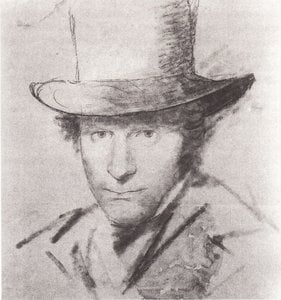
Carl Eduard Ferdinand Blechen, rođen u Cottbusu, Njemačka, 1798. godine, zauzima jedinstvenu i često zanemarenu poziciju unutar tradicije pejzažnog slikarstva. Njegov život obilježile su umjetnička briljantnost i osobne tegobe – dualizam koji je duboko utjecao na njegovu sugestivnu i inovativnu djela. U početku osuđen na pragmatičnu karijeru u bankarstvu zbog financijskih poteškoća obitelji, Blechenovi urođeni umjetnički nagon na kraju su prevladali. Studirao je na Berlinskoj akademiji umjetnosti 1822. godine, započevši put koji će ga učiniti jednim od prvih umjetnika koji se suočio s estetskim izazovima – i mogućnostima – koje je donijela rana industrializacija.

Blechenove rane godine bile su prožete romantičnim idealima koji su preplavili Europu. Međutim, za razliku od mnogih svojih suvremenika koji su se usredotočili isključivo na idealiziranu ljepotu prirode ili povijesnu veličinu, Blechenov pogled bio je privučen promjenjivim svijetom. Putaovanje u Italiju 1828.-1829. godine bilo je ključno. Uronjen u svjetlo i atmosferu talijanske seoske sredine, usavršio je svoje vještine skiciranja na otvorenom, hvatajući prolazne trenutke i dramatične efekte s iznimnom osjetljivošću. Te su skice bile više od pripremnih studija; bile su prožete živahnom energijom koja će obilježiti njegovu zrelu fazu. Vratio se u Berlin ne samo kao tehnički vješt slikar, već i kao umjetnik s posebnom vizijom – vizijom koja je nastojala pomiriti uzvišenu ljepotu prirode s nadolazećom stvarnošću modernosti.

Navigacija Tradicije i Transformacije

Blechenov umjetnički opus obilježava uvjerljiva napetost između romantične osjetljivosti i nascentnog realizma. Nije se suzdržavao od prikazivanja rastućeg industrijskog krajolika, ali ga ni kritički nije proslavljao. Djela poput Bau der Teufelsbrücke (Izgradnja Đavolovog mosta), slikana između 1830. i 1832. godine, primjer su tog pristupa. Slika ne slavi inženjerski pothvat; umjesto toga, prikazuje scenu napornog rada na dramatičnoj pozadini, nagovještavajući ljudske ambicije i potencijal za narušavanje prirodnog poretka. Ova spremnost da se suoči sa složenošću svog vremena izdvaja ga od mnogih njegovih suvremenika.

Njegovi su pejzaži često prožete melankoličnom atmosferom, koja odražava ne samo promjenjivo fizičko okruženje, već i njegove unutarnje borbe. Waldweg bei Spandau (Šumska staza kod Spandaa), na primjer, evocira osjećaj usamljenosti i introspekcije, istovremeno pokazujući Blechenovu majstoriju svjetla i sjene. Vješto je koristio atmosfersku perspektivu kako bi stvorio dubinu i raspoloženje, uvlačeći gledatelja u scenu i potičući na promišljanje. Nije samo bilježio ono što je vidio; prenosio je emocionalni odaziv na to.

Mučni Genij i Trajno Nasljeđe

Unatoč umjetničkim dostignućima, Blechenov život tragično je skraćen zbog mentalne bolesti. Imenovan profesorom pejzažnog slikarstva na Berlinskoj akademiji 1831. godine – svjedočanstvo njegovog rastućeg ugleda – njegovo se stanje naglo pogoršalo nakon 1835. godine. Prisiljen otići na bolovanje i naposljetku hospitaliziran, nastavio je stvarati umjetnost čak i usred patnje, proizvodeći potresne crteže koji nude uvid u njegov unutarnji svijet. Umro je u Berlinu 1840. godine u dobi od 41 godine.

Iako je njegova karijera bila relativno kratka, utjecaj Carla Blechena na kasnije generacije umjetnika neosporan je. Njegovi pionirski prikazi industrijskih krajolika otvorili su put kasnijim realistima i impresionistima koji su nastojali uhvatiti promjenjivo lice modernog života. Pokazao je da je moguće pronaći ljepotu – i značenje – čak i usred transformacije, lekcija koja i danas nadahnjuje umjetnike. Njegovo djelo ostaje snažan podsjetnik na složen odnos između čovječanstva, prirode i napretka.

Ključna Djela & Zbirke

  • Im Berliner Tiergarten (Berlinski zoološki vrt), 1825: Rani primjer njegove sposobnosti da uhvati atmosferske efekte i svakodnevne scene s romantičnom osjetljivošću.
  • Waldweg bei Spandau (Šumska staza kod Spandaa): Zastrašujući pejzaž koji je primjer njegove majstorije svjetla, sjene i raspoloženja.
  • Bau der Teufelsbrücke (Izgradnja Đavolovog mosta), 1830–32: Inovativan prikaz rane industrializacije, koji pokazuje ljudske ambicije i njezin utjecaj na prirodni svijet.

Danas se Blechenova djela mogu pronaći u istaknutim muzejskim zbirkama diljem svijeta, uključujući Kunsthalle Bielefeld u Njemačkoj, Fitzwilliam Museum u Cambridgeu i Nacionalnu galeriju u Londonu. Te institucije čuvaju njegovo nasljeđe za buduće generacije, osiguravajući da njegova inovativna vizija nastavlja nadahnjivati ​​i izazivati ​​gledatelje.

Carl Blechen

Carl Blechen

1798 - 1840 , Njemačka

Brzi pregled

  • Artistic Movement Or Style: Romantizam
  • Artists Who Influenced This Artist:
    • Caspar David Friedrich
    • Johann Christian Dahl
  • Date Of Birth: 29 srpnja 1798.
  • Date Of Death: 23 srpnja 1840.
  • Full Name: Carl Eduard Ferdinand Blechen
  • Nationality: Njemački
  • Notable Artworks:
    • Im Berliner Tiergarten
    • Waldweg bei Spandau
    • Bau der Teufelsbrücke
  • Place Of Birth: Cottbus, Njemačka