Život Ukorijenjen u Promatranju: Svijet Camillea Pissarra
Camille Pissarro, ime sinonimno za rođenje i evoluciju impresionizma, bio je umjetnik čiji je život odražavao mijenjajuće krajolike koje je tako predano bilježio na platnu. Rođen Jacob Abraham Camille Pissarro 10. srpnja 1830. u Charlotte Amalie, St. Thomas – tadašnjoj danskoj koloniji, sada Američkim Djevičanskim otocima – njegovo podrijetlo bilo je tako raznoliko i živahno kao scene koje su kasnije definirale njegovu umjetničku viziju. Otac, portugalski židovski trgovac s francuskim državljanstvom, i majka, iz obitelji francusko-židovskih korijena na otoku, ugradili su mu jedinstveno kulturno nasljeđe. Ovo odgoj, pomalo neobičan zbog obiteljskih složenosti, potaknuo je rano osjetljivost prema svijetu oko njega, kvalitetu koja će postati kamen temeljac njegove umjetničke prakse. Njegovo prvo formalno školovanje u Akademiji Savary blizu Pariza pružilo mu je temelj u tradicionalnim tehnikama, no pravo ga je potaknulo povratak na St. Thomas i kasniji rad kao pomorski carinik. Gusti brodski promet, živopisni lokalni život i sirova ljepota karipskog krajolika postale su njegove prve teme, oblikujući oko koje je bilo iznimno osjetljivo na nijanse svakodnevnog postojanja.
Od Realizma do Revolucije: Umjetnički Razvoj
Pissarrov umjetnički put bio je stalan proces istraživanja i usavršavanja. Nakon razdoblja rada kao pomoćnik danskom slikarju Antonu Melbyeu u Parizu, uronio je u djela majstora poput Gustava Courbeta, Jean-Baptista-Camillea Corota i Honoré Daumiera – umjetnika koji su promicali realizam i društveni komentar. U početku je nastojao steći prihvaćenje unutar uspostavljenog svijeta umjetnosti, izlagajući se na Pariškom salonu, no ubrzo je pronašao njegova ograničenja ugušnjavajućima. Ključni trenutak stigao je s njegovim prihvatom *plein air* slikanja – rada na otvorenom izravno iz prirode – prakse koju je poticao Corot i koja će postati središnja za impresionizam. Ta promjena nije bila samo tehnička; predstavljala je filozofsku promjenu, želju da se uhvate prolazne efekte svjetla i atmosfere, samu bit scene, a ne njezin precizan prikaz. Počeo je eksperimentirati s slobodnijim potezima kista i življom paletom boja, odmaknuvši se od akademskih konvencija prema izražajnijem stilu. Njegovi raniji pejzaži, iako još uvijek utemeljen u realizmu, nagovještavali su put revolucije koju je uskoro trebao proći. Razdoblje je obilježilo suočavanje s vlastitim glasom usred burili umjetničke scene Pariza, grada koji se ubrzano mijenjao i pružao nebrojene izvore inspiracije.
Otac Figa Impressionizma
Camille Pissarro nije bio samo *jedan* impresionist; on je zapravo najodaniji i ujedinjujući oslonac pokreta. Jedinstveno, sudjelovao je na svih osam pariških impresionističkih izložbi između 1874. i 1886., djelujući kao stabilizirajuća prisutnost unutar grupe često obilježene unutarnjim nesuglasicama i individualnim ambicijama. Njegova prisutnost nije bila samo pasivna – aktivno je poticao svoje kolege umjetnike, pružajući im podršku, vodstvo i potrebnu međusobnu solidarnost. Zbog toga je dobio naklonjeno nadimak „oca figure” pokreta. Njegova predanost umjetničkoj slobodi i inovacijama bila je neokolišna, čak i usred kritičkog prezira i javne ravnodušnosti. Vjerovao je u moć kolektivnog djelovanja i promicao ideju da umjetnici izlažu se nezavisno od restriktivnih pravila Salona. Osim vlastitog rada, Pissarrov utjecaj protezao se na mlađu generaciju umjetnika, uključujući Paula Cézannea, Vincenta van Gogha i Paula Gauguina, kojima je pružao mentorstvo i duboko ih je snažno obilježio. Pružio im je ne samo tehničke savjete, već i filozofski okvir za njihova umjetnička istraživanja. Njegova spremnost na eksperimentiranje dovela ga je nakratko u neoimpresionizam, pod utjecajem pointilističkih tehnika Georga Seurata i Paula Signaca, prije nego što se naposljetku vratio osobnijem stilu koji je spajao njegove ranije utjecaje s novim otkrićima.
Krajolici Života: Tematike i Ostavština
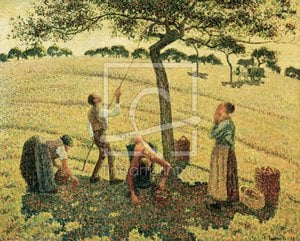
Pissarrov umjetnički izraz bio je iznimno raznolik, no dosljedno se fokusirao na svijet oko njega. Slavi se zbog svojih prikaza kako ruralnih tako i urbanih krajolika, često prikazujući scene svakodnevnog života – seljaci koji rade u poljima, prometne pariške ulice, mirni seoska trgova. Njegove slike nisu bile samo pitoreskne vizure; bili su društveni komentari, odražavajući njegovu duboku empatiju prema radničkoj klasi i njegovu predanost prikazivanju njihovih života s dostojanstvom i poštovanjem.
- Krajolici: Poznat po hvatanju ljepote kako ruralnog tako i gradskog života.
- Scene pariškog života: Žive prikazi brzo mijenjajućeg metropola.
- Život seljaka: Odražava njegovu društvenu svjesnost i empatiju prema radničkoj klasi.
Njegova kasnija djela, posebno ona stvorena tijekom razdoblja političkih nemira ili osobnih poteškoća, često nose osjećaj melanholije i socijalne kritike. Pissarrovu ostavštinu nadilaze njegove prekrasne slike. Bio je branitelj umjetničke slobode, mentor generacijama umjetnika i pionir u razvoju moderne umjetnosti. Njegova predanost *plein air* slikanju revolucionirala je umjetnost krajolika, dok je njegova spremnost na eksperimentiranje s različitim stilovima svjedočila njegovoj intelektualnoj znatiželji i neprestanoj posvećenosti svom umijeću. Danas se njegovi radovi nalaze u glavnim muzejima diljem svijeta, nastavljajući inspirirati i fascinirati publiku svojom iskrenošću, ljepotom i dubokim ljudskim značajem. Ostaje slavljen kao figura čiji su doprinosi i dalje relevantni za proučavanje i cijenjenje.
Umjetnost Camillea Pissarra nije samo zapis svijeta kakav je bio; to je svjedočanstvo moći promatranja, empatije i umjetničke inovacije.



 Pregledaj u stvarnoj veličini
 Kupi ručno naslikanu sliku
 Pošalji
 Podijeli
 Detalji o umjetničkom djelu

 Preuzmi
 Slični predmeti
 Rentgenska snimka
 Automatska prezentacija
 Statistika

 Prikaži više






































 Opcija stakla dostupna je samo za dimenzije manje od 110 cm