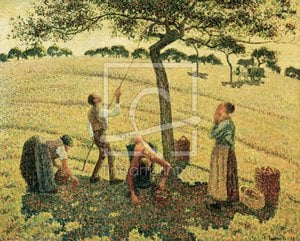
Ručno oslikano uljanim bojama na platnu u dimenzijama i okviru po vašem izboru, izrađeno po narudžbi od strane naših umjetnika. ( Kupi print Kupi digitalnu sliku)





























Odaberite jednu od naših unaprijed definiranih veličina koje odgovaraju izvornim proporcijama umjetničkog djela.

Možete unijeti vlastite dimenzije kako bi odgovarale određenom okviru ili prostoru. Ako odabrana veličina ne odgovara proporcijama izvorne slike, izrezat ćemo umjetničko djelo ili proširiti sliku dodatnim ručno oslikanim elementima. Digitalni nacrt bit će vam poslan na odobrenje prije početka proizvodnje.
Imajte na umu da pregled na ekranu ne prikazuje stvarno izrezivanje ili proširivanje. Samo će nacrt točno prikazati konačni sastav.
Iako su dostupne prilagođene veličine, preporučujemo odabir dimenzije s preddefiniranog popisa kako bismo očuvali izvorne proporcije.
Isporuka širom svijeta () u roku od 3-4 tjedna umjesto standardnih 5 tjedana. (7 Rujan). Bez kompromisa u kvaliteti.


Maidservant
Veličina reprodukcije
Pieter de Hooch’s “The Maidservant,” painted circa 1667–1670, stands as a quintessential example of Dutch Baroque art—a genre characterized by opulent ornamentation and dramatic contrasts—yet simultaneously imbued with an understated elegance that speaks to the quiet beauty of everyday life. This oil-on-panel masterpiece resides in the Metropolitan Museum of Art’s collection in New York City, offering viewers a glimpse into a meticulously crafted scene depicting a woman in bed conversing with her husband.
Historical Context: The painting emerged during a period of significant social and economic transformation in Holland—the Dutch Golden Age—when the nation experienced unparalleled prosperity thanks to maritime trade and artistic innovation. De Hooch’s work reflects the prevailing fascination with portraying domestic life, capturing not only physical appearances but also psychological states.
Symbolism: The scene is laden with symbolic significance. The woman in bed represents femininity and vulnerability, while her husband embodies authority and protection. The maidservant symbolizes servitude and subservience—yet she’s presented as a dignified figure, reflecting the importance of social hierarchy within Dutch society. Furthermore, the muted color palette contributes to the painting's contemplative mood.
Emotional Impact: “The Maidservant” transcends mere visual representation; it evokes feelings of serenity and domestic comfort. The artist’s masterful use of light and shadow creates a sense of warmth and intimacy, inviting viewers into this quiet tableau of human connection. It serves as a poignant reminder that beauty can be found in the simplest moments of daily life—a timeless message conveyed with remarkable artistic precision.


1830 - 1903 , SAD (Sjedinjene Američke Države)

Explore the dramatic mastery of the Dutch Baroque era. Discover how masters like Rembrandt used chiaroscuro to manipulate light and shadow, creating profound emotional depth and timeless beauty in art history's most captivating masterpieces.

 Pregledaj u stvarnoj veličini
 Pošalji
 Podijeli
 Detalji o umjetničkom djelu

 Preuzmi
 Slični predmeti
 Rentgenska snimka
 Automatska prezentacija

 Prikaži više







 Opcija stakla dostupna je samo za dimenzije manje od 110 cm