Rano život i početak karijere
Bernardo Loureiro Marques, znameniti portugalski slikar, ilustrator, grafičar i karikaturist, rođen je u Silvesu, u Portugalu, 1898. godine. Bez formalnog umjetničkog obrazovanja, Marques se pojavio kao samouki umjetnik tijekom 1920-ih, u početku se usredotočujući na grafičku umjetnost i karikaturu.
Umjetnička evolucija
Godine 1929., Marques je posjetio Berlin, gdje je duboko pod utjecajem njemačkog ekspresionizma, osobito djela autora
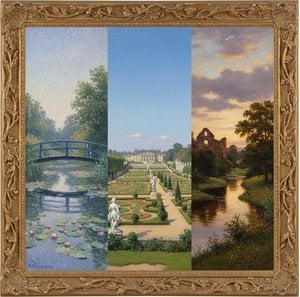
Georg Grosza. To je izlaganje dovelo do značajnog preobrazba njegovog umjetničkog stila, obilježene povećanom formalnom i tematskom dubinom. Kako je vrijeme odmicalo, Marquesovo crtanje postalo je sve poetičnije, pri čemu se fokus pomaknuo s portreta na pejzaže, posebno one koji prikazuju Lisabon, Sintru i Algarve.
Značajna djela i naslijeđe
Marquesov opus karakteriziraju svestranost i inovativnost. Neka od njegovih istaknutih djela mogu se pronaći u
Muzeju Saryan u Jerevanu, Armenija, iako se većina njegovih radova izlaže u raznim portugalskim muzejima i galerijama. Njegova supruga,
Ofélia Marques, također slikarka, dijelila je njegovu strast prema dočaravanju suštine portugalskih krajolika.
Usporedba s drugim umjetnicima
- Slično kao Carlos Botelho Chaves, još jednom istaknutom portugalskom umjetniku, Marquesov rad obilježen je karikaturama i satiričnim elementima.
- Međutim, za razliku od Federica Heraclia Cantú Garze, meksičkog slikara, Marquesov stil bio je više usmjeren na poeziju nego na akademski ili narativni pristup.
Online prisutnost
Marquesov rad može se detaljno istražiti na stranici
https://WahooArt.com/@/bernardo-loureiro-marques, gdje je izloženo njegovih 11 umjetničkih djela, nudeći uvid u njegovu umjetničku evoluciju. Za više informacija o Marquesu i drugim umjetnicima, posjetite
WahooArt.com.
Zaključak
Naslijeđe
Bernarda Loureiros Marquesa kao jednog od najutjecajnijih portugalskih umjetnika neosporno je. Njegov prijelaz iz samoukog grafičara u poetičnog pejzažnog slikara ostavio je neizbrisiv trag u povijesti portugalske umjetnosti, inspirirajući generacije koje dolaze.
Bernardo Loureiro Marques, ime koje je sinonim za evoluciju portugalske umjetnosti, nastavlja očaravati publiku svojim dirljivim krajolozima i satiričnim karikaturama.



 Prebacite na print
 Pošalji
 Podijeli
 Detalji o umjetničkom djelu

 Preuzmi
 Slični predmeti
 Automatska prezentacija
 Statistika


 Prikaži više






































 Opcija stakla dostupna je samo za dimenzije manje od 110 cm


![Olive Trees [1889] — Vincent Van Gogh, Post-impressionism](/media/artworks/images-thumb/e4/68/e4688f7160b2dc16059fc15af708ca73.jpg)