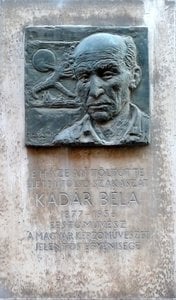
Mađarski glas avangarde: Život i umjetnost Béle Kádára
Rođen u radničkoj židovskoj obitelji u Budimpešti 1877. godine, put Béle Kádára do postajanja ključne figure u avangardi ranog 20. stoljeća bio je iskovan kroz nedaće i nepokolebljivu posvećenost umjetničkom istraživanju. Njegovo formalno obrazovanje bilo je ograničeno na samo šest godina, no taj nedostatak tradicionalnog školovanja kao da ga je oslobodio konvencionalnih ograničenja, dopuštajući razvoj jedinstvenog, osobnog vizualnog jezika. Kádár nije započeo svoj profesionalni život s četkicom u ruci, već kao šegrt tokara – zanimanje koje je duboko utjecalo na njegove umjetničke osjetilnosti, ulijevajući u njega snažno razumijevanje forme, strukture i neotupljive ljepote koja se nalazi u industrijskim materijalima. Čak i u tim ranim godinama, njegov je kreativni duh blistao; u početku se fokusirao na slikanje zidnih fresaka širom Budimpešte, pokazujući urođenu sklonost prema velikim vizualnim izrazima i pripovijedanju. To temeljno razdoblje postavilo je temelje za hrabre i dinamične kompozicije koje će kasnije definirati njegovo djelo.
Pariz, Berlin i sinteza stilova
Pravi katalizator Kádárovog umjetničkog razvoja stigao je s njegovim putovanjima u Pariz i Berlin 1910. godine. Ta su putovanja izložila njega bujnim avangardnim pokretima koji su preplavljivali zapadnu Europu, nepovratno mijenjajući njegov umjetnički smjer. Susreo je radikalne ideje skupine Der Blaue Reiter, fragmentirane oblike kubizma, dinamiku futurizma i sirovu energiju neoprimitivizma – utjecaje koje nije jednostavno prihvatila u cijelosti, već ih je sintetizirao u vlastiti, prepoznatljiv vizualni vokabular. Kádár nije bio zadovoljan povezivanjem s bilo kojom pojedinom „školom“ misli; umjesto toga, krenuo je u neprestano istraživanje forme, boje i kompozicije, vođen nezasitnom žudnjom za oslobađanjem od okova tradicionalne reprezentativne umjetnosti. Upio je elemente konstruktivizma, pa čak i sanjidne kvalitete metafizičke slikarstva, utkanjem njih u složenu tapiseriju koja je odražavala njegov jedinstveni pogled. Ovo razdoblje označilo je ključnu prekretnicu, pretvarajući ga od obećavajućeg muralista u istinski inovativnog umjetnika na pragu međunarodnog priznanja.
Priznanje i međunarodna izloženost
Kádárov trenutak proboja stigao je u listopadu 1923. godine s izložbom u prestižnoj galeriji Galerie der Sturm Herwartha Waldena u Berlinu. Ta je prezentacija njegovog rada predstavila djelo u izrazito ekspresionističkom stilu, odmah privlačeći pažnju i utvrđujući ga kao silu s kojom se moralo računati na europskoj umjetničkoj sceni. Galerija, poznata po zastupanju radikalnih novih umjetničkih glasova, pružila je Kádáru idealnu platformu za povezivanje s kolekcionarima i kolegama umjetnicima koji su dijelili njegovu posvećenost eksperimentiranju. Njegov međunarodni profil dodatno su učvratile dvije izložbe koje je organizirala Katherine Dreier u Brooklynskom muzeju umjetnosti u New Yorku, 1926. i 1928. godine. Značajno je bilo to što je Kádár prisustvovao drugoj izložbi, čime je učvrstio svoje prisutno u američkom umjetničkom krajoliku i pot cultivation dragocjenih veza unutar bujajućeg modernističkog pokreta preko Atlantika. Njegine su slike tijekom tog razdoblja često prikazivale scene iz mađarskog folklora, intimne portrete i prizrake seoskog života – teme prikazane hrabrom paletom boja i dinamičnim kompozicijama koje su dočaravale i duh njegove domovine i energiju modernog doba.
Naslijeđe hrabre inovacije
Umjetnički stil Béle Kádára odmah je prepoznatljiv po živopisnoj i ekspresivnoj upotrebi boje, često koristeći nenaturalističke nijanse kako bi prenio emociju i atmosferu. Njegove su kompozicije obilježene opipljivim osjećajem pokreta i energije, postignutim interakcijom linija, oblika i formi koje kao da vibriraju na platnu. Često je koristio tehniku impasta – nanošenje debelih slojeva boje – stvarajući teksturirane površine koje pojačavaju vizualni dojam njegovog rada i pozivaju na taktilno istraživanje. No, ono što Kádára možda istinski izdvaja je njegova nevjerojatna sposobnost da ove raznolike umjetničke utjecaje sintetizira u kohezivan i originalan stil. On predstavlja ključnu kariku između mađarske avangarde i širih europskih pokreta svog vremena, odražavajući društvene i političke previranja početka 20. stoljeća u svojoj umjetnosti. Iako tijekom života nije uvijek bio široko slavljen kao neki od njegovih suvremenika, Kádárov rad doživio je uskličak u posljednjim desetljećima, pri čemu znanstvenici sve više prepoznaju njegov značajan doprinos modernoj umjetnosti. Umro je u Budimpešti 1956. godine, ostavivši za sobom naslijeđe hrabrih i inovativnih slika koje i danas inspiriraju umjetnike i očaravaju publiku – kao svjedočanstvo neprolazne snage umjetnika koji se usudio iztramati vlastiti put.
Ključne karakteristike Kádárovog rada
- Hrabra paleta boja: Kádár je bio poznat po svojoj živopisnoj i ekspresivno upotrebi boje, često koristeći nenaturalističke nijanse za prijenos emocija i atmosfere.
- Dinamična kompozicija: Njegove su kompozicije obilježene osjećajem pokreta i energije, postignutim kroz interakciju linija, oblika i formi.
- Tehnika impasta: Često je koristio debele slojeve boje (impasto) kako bi stvorio teksturirane površine i pojačao vizualni učinak svog djela.
- Jedinstvena sinteza: Kádárova sposobnost da različite umjetničke utjecaje sintetizira u kohezivan i originalan stil izdvaja ga kao značajnu figuru umjetnosti ranog 20. stoljeća.
- Teme i subiecti: Njegove slike često prikazuju scene iz folklora, seoskog života i intimne portrete, prikazane hrabrim bojama i dinamičnim kompozicijama. Također je istraživao apstraktne teme i eksperimentirao s fragmentiranim oblicima.



 Pregledaj u stvarnoj veličini
 Prebacite na prodaju printova
 Podijeli
 Podijeli
 Detalji
 Vodič
Vodič

 Preuzmi datoteku
 Slični predmeti
 Rentgenska snimka
 Slide show
 Statistika
 Pročitajte više