Pregledaj u realnoj veličini Pregled u AR-u Prebacite na printove Kupi ručno oslikano djelo Pošalji
Detalji o umjetničkom djelu Vodič Dodaj u omiljene Preuzmi umjetničko djelo Slični predmeti Rentgenska snimka Slide show Q&A Statistika

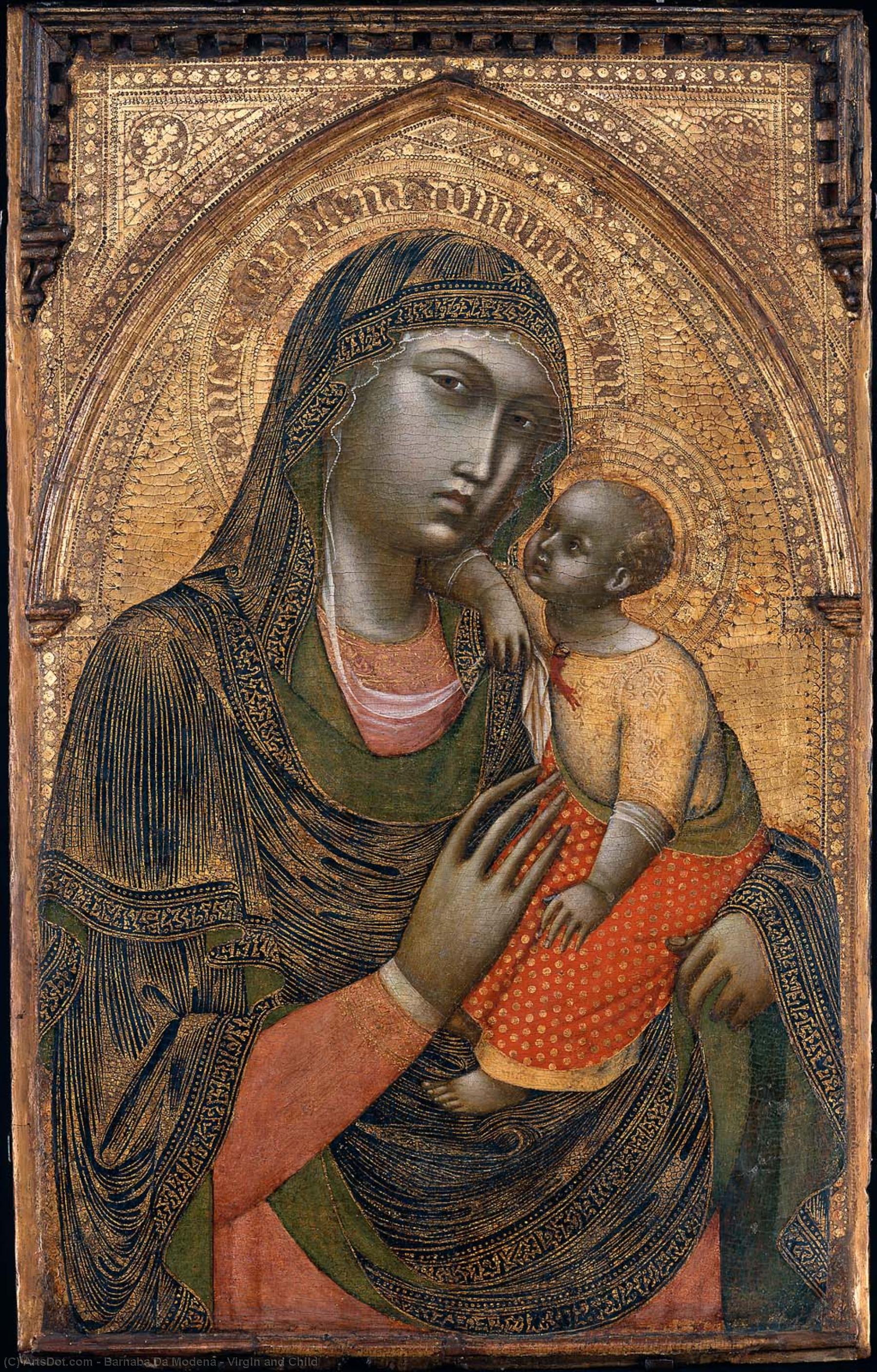
Virgin and Child

A tender Byzantine-inspired depiction of the Virgin Mary and Child by Barnaba da Modena captures a moment of divine protection from 1360, inviting you to bring this exquisite piece of Italian history into your collection.

Discover Barnaba da Modena (c. 1328-1386), a pioneering Lombard painter known for his Byzantine-influenced style & emotive works. Explore his Genoa art!

Preuzmite datoteku spremnu za tisak koja kvalitom daleko nadilazi web prikaz. Svaka digitalna slika koju prodajemo prosljeđuje se iz visokorezolucijske master datoteke iz naše baze — obično širine od 5.000 do 15.000 piksela — što vam omogućuje tisak velikih dimenzija, precizno izrezivanje ili sigurnu reprodukciju najfinijih detalja.

Nijedna datoteka ne napušta naš studio netaknuta. Digitalni stručnjak uspoređuje boje s izvornim slikama i po potrebi ih ispravlja, a zatim poboljšava jasnoću i detalje pomoću profesionalnih alata za retuširanje — uvijek ostajući vjerni umjetnikovim potezima četkice i stilu. Rezultat je prikaz koji izgleda kao prava slika, a ne kao sken s filtrima.

Odobravanje prije završetka: naš stručnjak šalje sliku e-poštom u roku od 72 sata na vaš pregled. Niste zadovoljni? Zatražite poboljšanja ili ispravke, ili tražite povrat novca ako kvaliteta ne ispunjava vaša očekivanja.

To je kvaliteta na koju se oslanjaju izdavači, dizajn studiji, galerije i tiskare.

Digitalna slika

Preuzmite datoteku visoke rezolucije za osobnu izložbu, tisak i kreativne projekte. ( Prebacite na printove Kupi ručno oslikano djelo)

Ukupna cijena

€ 21,95

Uključeno uz svaku narudžbu digitalne slike

Profesionalna digitalna dostava, zajamčena

Odabirom WahooArt.com ne dobivate samo sliku – dobivate profesionalno unapređeno digitalno umjetničko djelo, izrađeno s najvećom preciznošću uz jamstvo zadovoljstva. Evo svega što automatski dolazi uz vašu narudžbu:

Brza dostava e-poštom

Vaša digitalna slika visoke rezolucije bit će vam poslana e-mailom u roku od 72 sata od trenutka narudžbe – spremna za neposrednu upotrebu.

Digitalna datoteka poboljšana umjetnom inteligencijom

Vaše umjetničko djelo profesionalno je optimizirano pomoću naprednih AI alata i ručnog uređivanja, čime se osigurava maksimalna razina detalja, oštrine i točnosti boja.

Besplatna doživotna ponovna dostava

Slučajno ste obrisali ili izgubili svoju datoteku? Ne brinite – ponovno ćemo vam je poslati u bilo kojem trenutku, potpuno besplatno.

Bez uvoznih pristojnika – ikada

Uživajte u svojim umjetničkim djelima trenutno, bez carina, pristojbi ili troškova dostave – digitalni downloadi uvijek su oslobođeni poreza.

Jamstvo točnosti boja

Uz pomoć profesionalnih alata i upravljanja bojama, osiguravamo da vaša digitalna slika što vjernije odražava izvorne boje.

Jamstvo zadovoljstva u trajanju od 100 dana

Ako niste zadovoljni svojom digitalnom slikom, revidirat ćemo je ili vratiti 100% iznosa u roku od 100 dana – bez suvišnih pitanja.

100% Jamstvo povrata novca

Niste zadovoljni? Osigurajte puni povrat novca u roku od 100 dana od primitka digitalne datoteke – bez suvišnih pitanja.

Popusti na velike narudžbe

Kupite 3 slike, uštedite 10% - Kupite 5 slika, uštedite 15% - Kupite 10+ slika, uštedite 20%. Odlično za kreativne projekte, galerije i agencije.

Osnovne informacije

  • Artistic style: Byzantine-influenced Lombard painting
  • Title: Virgin and Child
  • Year: 1360
  • Subject or theme: Madonna and Child, maternal tenderness

A Tender Encounter in Gold and Grace

In the quiet intimacy of Barnaba da Modena’s Virgin and Child, we are invited into a sacred moment that transcends the centuries. Created around 1360, this masterpiece serves as a profound window into the spiritual heart of the Trecento period. The painting captures a deeply human connection between the Virgin Mary and her infant son, presenting a scene where divine majesty meets maternal tenderness. As she cradles the young boy, there is an unmistakable sense of protection and warmth; the way she holds him close suggests a sanctuary of love amidst the grandeur of her celestial station. This is not merely a religious icon, but a poignant study of the bond between mother and child, rendered with a delicacy that speaks directly to the soul.

The visual language of the piece is heavily influenced by the Byzantine tradition, a stylistic choice that Barnaba da Modena championed with singular devotion. This influence is most evident in the luminous, ethereal quality of the figures and the use of ornate, symbolic elements. Above the Virgin’s head, an intricate crown rests, signaling her status as the Queen of Heaven, while the decorative archway framing the scene provides a sense of architectural permanence and sanctity. The interplay of light and shadow across the soft features of the Christ child creates a lifelike presence, grounding the divine subject matter in a palpable, earthly reality that continues to captivate viewers today.

A Masterpiece of Byzantine Echoes

To behold this work is to witness the bridge between the rigid formality of Eastern iconography and the burgeoning naturalism of the Italian Renaissance. Barnaba da Modena, working during a time of great cultural transition in Lombardy and beyond, utilized a technique that emphasizes texture and symbolic depth. The composition is balanced yet emotionally charged, making it an ideal centerpiece for those looking to infuse a space with historical gravity and contemplative peace. For the discerning collector or interior designer, this painting offers more than just aesthetic beauty; it provides a focal point of profound narrative strength.

Integrating a high-quality reproduction of this Virgin and Child into a curated collection allows for the introduction of a timeless, classical elegance. Whether placed in a sunlit gallery or a sophisticated contemporary living space, the painting’s rich historical context and emotive power act as a conversation starter. It evokes an era of craftsmanship where every brushstroke was an act of devotion, making it a perfect acquisition for those who appreciate art that possesses both a scholarly pedigree and a deeply moving emotional resonance.

Pitanja i odgovori

Tko je stvorio "Virgin and Child"?

Autorstvo djela "Virgin and Child" pripisuje se Barnaba Da Modena.

Gdje se danas može vidjeti "Virgin and Child" autora Barnaba Da Modena?

"Virgin and Child" autora Barnaba Da Modena izložen/a je u muzeju Muzej umjetnosti (Boston), Boston, United States of America. Navedeni muzej odnosi se na izvornom djelo, a ne na reprodukcije.

Gdje mogu pronaći umjetnička djela slična djelu "Virgin and Child" autora Barnaba Da Modena?

Stranica Slična djela za djelo "Virgin and Child" autora Barnaba Da Modena prikazuje srodna umjetnička djela.


Biografija umjetnika

Barnaba da Modena (c. 1328 – c. 1386): A Byzantine Echo in Lombard Painting

Barnaba da Modena stands as a singular figure in the artistic landscape of fourteenth-century Italy—a pioneer who bravely championed a stylistic tradition largely abandoned by his contemporaries, firmly rooted in the grandeur and spirituality of Byzantium. Born around 1328 in Modena (Emilia), he emerged from obscurity to become arguably the first Lombard painter of considerable renown, leaving behind an impressive oeuvre that testifies to his unwavering devotion to this venerable artistic heritage. His activity spanned Lombardy, Piedmont, and Pisa in Tuscany, establishing him as a pivotal artist within the burgeoning cultural dynamism of the era.
  • Early Life & Training: Precise biographical details surrounding Barnaba’s formative years remain elusive. Records indicate he was active in Genoa from approximately 1364, where he secured patronage and honed his craft amidst a vibrant artistic milieu. This Genoese engagement undoubtedly exposed him to the prevailing stylistic currents of the time—a stark contrast to the increasingly naturalistic tendencies gaining traction elsewhere in Italy.
  • Byzantine Influence: Barnaba’s distinctive style is undeniably indebted to Byzantine painting, particularly its use of gold leaf and shimmering backgrounds. He meticulously replicated techniques perfected centuries earlier, prioritizing luminous color palettes and compositional schemes that emphasized symbolic grandeur rather than realistic representation. This commitment to tradition speaks volumes about his artistic sensibilities and reflects a profound understanding of the visual language of religious art.
  • Notable Works & Patronage: Barnaba’s prolific output encompassed around fifty paintings—a remarkable achievement considering the period—primarily focused on depictions of the Virgin Mary and Christ, often framed within elaborate architectural settings reminiscent of Byzantine churches. His commissions included prominent roles in Genoa’s Palazzo Ducale and contributed significantly to the artistic embellishment of ecclesiastical spaces throughout Lombardy.
  • Technique & Innovation: Despite adhering to Byzantine conventions, Barnaba demonstrated considerable technical skill—a testament to his meticulous attention to detail and masterful manipulation of pigment. His paintings exhibit a remarkable level of refinement, achieved through painstaking layering of glazes and incorporating subtle gradations of color that imbue the images with an ethereal quality.
  • Legacy & Influence: Barnaba’s artistic vision profoundly impacted subsequent generations of Lombard painters. Notably, Nicolò da Voltri continued his stylistic trajectory in Liguria until circa 1420, perpetuating Barnaba's Byzantine aesthetic and solidifying his position as a foundational figure in the development of Lombard painting. His enduring legacy resides not merely in his individual masterpieces but also in his contribution to shaping the artistic landscape of his time—a beacon of spiritual contemplation amidst the burgeoning complexities of the Renaissance.

Major Achievements & Artistic Style

Barnaba’s most celebrated achievements lie in his masterful execution of monumental frescoes adorning churches throughout Lombardy and Genoa. These works exemplify the pinnacle of Byzantine influence, characterized by:
  • Gold Leaf Backgrounds: Extensive use of gold leaf created radiant surfaces that evoked the splendor of imperial cathedrals—a deliberate stylistic choice reflecting Barnaba’s reverence for Byzantine iconography.
  • Symbolic Composition: Paintings prioritized conveying theological concepts through carefully orchestrated visual narratives, emphasizing spiritual significance over mere aesthetic beauty.
  • Luminous Color Palette: Barnaba skillfully employed vibrant hues—particularly blues and reds—to illuminate biblical scenes and imbue them with emotional intensity.

Connections & Artistic Context

Barnaba’s artistic milieu was shaped by the prevailing stylistic trends of his time, yet he steadfastly resisted the emerging naturalism championed by artists like Giotto di Bondone. He remained firmly committed to Byzantine principles—a conscious decision that distinguished him from many of his contemporaries and cemented his reputation as a champion of tradition. His work stands apart as an exceptional example of artistic integrity—a testament to his unwavering devotion to conveying spiritual truths through visual art.

Further Exploration

For deeper insights into Barnaba da Modena’s life and oeuvre, consult the following resources:
  • tiraboschi, Giuseppe Maria.Storia della letteratura lombarda dal secolo IX al XVI. Milano: Boccaveri Editore, 1867.
Barnaba Da Modena

Barnaba Da Modena

1328 - 1386 , Italy

Kratki pregled

  • Full Name: Barnaba da Modena
  • Nationality: Italian
  • Date Of Birth: 1328
  • Date Of Death: 1386
  • Place Of Birth: Italy
  • Notable Artworks:
    • Madonna and Child
    • Crucifixion
  • Artistic Movement Or Style: Byzantine-influenced Lombard Painting
  • Artists Or Movements Influenced By This Artist: ['Nicolò da Voltri']