


Djelo prikazano na ovoj stranici zaštićeno je autorskim pravima, što znači da zakonski ne možemo izraditi niti prodati identičnu reprodukciju. Ova se zaštita provodi u skladu s međunarodnim sporazumima kao što su Bernska konvencija i nacionalnim zakonima, uključujući i one koji su utvrđeni u Američki zakon o autorskom pravu – Title 17.
Ova metoda u potpunosti je usklađena s autorskim pravima jer ne uključuje kopiranje ili dupliciranje zaštićenih umjetničkih djela. Umjesto toga, riječ je o kreativnoj reinterpretaciji – novoj slici koja je dobila utjecaj na izvornik, ali nije identična njemu.
Giclée tisak muzejske kvalitete ili otisak na platnu uz brzu izradu i raznolike opcije završne obrade. ( Kupi ručno oslikano djelo Prebacite na digitalnu sliku)





























Odaberite jednu od naših unaprijed definiranih veličina koje odgovaraju izvornim proporcijama umjetničkog djela.

Unesite potrebnu širinu i visinu kako bi odgovarali vašem okviru ili zidu. Print se može samo izrezati, nikada ne može biti veći od slike, stoga format s drugačijim omjerom stranica uzrokuje gubitak dijela slike. Prije bilo kakve štampe šaljemo vam digitalni prikaz (mockup) na odobrenje. Slika prikazana na ovoj stranici ne prikazuje stvarni rez — to prikazuje isključivo digitalni prikaz.
Dostava širom svijeta () u roku od 2 tjedna umjesto standardnih 4/5 tjedana. (8 Studeni)
The Emir Feisal
Veličina reprodukcije
In the quiet intensity of Augustus Edwin John’s 1919 masterpiece, The Emir Feisal, one encounters more than a mere historical likeness; one meets a profound study of human fortitude. As the world grappled with the seismic shifts following the Great War, John turned his gaze toward Sheikh Feisal bin Abdulaziz Al Saud, capturing a moment of stillness amidst global turbulence. The portrait does not simply present the face of a future monarch; it distills the very essence of dignity. Through a masterful command of light and shadow, the artist invites the viewer into a private space of contemplation, where the weight of leadership and the gravity of history converge in a single, piercing gaze.
The composition is a triumph of realist technique, characterized by John’s ability to breathe life into texture and form. The Sheikh is depicted in formal, traditional attire, with a dark robe draped elegantly over his shoulder, creating a rhythmic interplay of deep tones and soft highlights. John employs chiaroscuro—the dramatic tension between light and dark—to sculpt the subject's features, lending a sculptural three-dimensionality to the face and the intricate folds of the turban. Every brushstroke feels deliberate, yet possesses a fluid vitality that prevents the realism from feeling static. The subtle rendering of the decorative elements on his headwear, suggesting pearls or fine beads, showcases a meticulous attention to detail that rewards close, lingering inspection.
Beyond the physical accuracy of the portrait lies a rich tapestry of symbolic meaning. Held firmly within the Sheikh’s hands is a book, an element that serves as a silent testament to intellectual engagement and the pursuit of knowledge. In this context, the book transcends its material form to represent the wisdom and cultural heritage central to the identity of the Arabian Peninsula during its formative years. This connection between the subject and his scholarly attribute imbues the painting with an aura of quiet authority, suggesting a leader whose power is rooted in deep-seated intellect and tradition.
The emotional impact of the work is anchored by the subject's direct gaze. By looking squarely at the viewer, Feisal establishes an immediate, respectful connection, demanding recognition while maintaining an air of impenetrable composure. This psychological depth makes the painting an extraordinary piece for any collection; it possesses a commanding presence that can anchor a room, offering a sense of stability and historical continuity. For the discerning collector or interior designer, The Emir Feisal offers a sophisticated focal point—a window into a transformative era of history, rendered with a poetic sensitivity that continues to resonate across generations.
Za "The Emir Feisal", preporučena veličina za print je Medium i Portrait orijentacija.
Boja koja najviše dolazi do izražaja u djelu "The Emir Feisal" je Driftwood (#88714a). Dominantna boja korisna je pri uklapanju umjetničkog djela u interijer.
Format djela "The Emir Feisal" je Portrait, što vam može pomoći pri planiranju prostora za postavljanje reprodukcije.

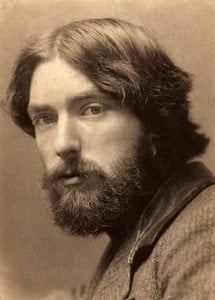
1878 - 1961 , Sjedinjene Američke Države

Discover the exquisite era of Victorian Naturalism. Explore how master artists blended scientific precision with breathtaking realism to capture the soul of nature through botanical oil paintings and legendary landscapes.
 Pregledaj u realnoj veličini
 Pošalji
 Podijeli
 Detalji o umjetničkom djelu
 Vodič
Vodič

 Preuzmi umjetničko djelo
 Slični predmeti
 Rentgenska snimka
 Slide show
 Pitanja i odgovori
 Statistika


 Prikaži više









 Opcija stakla dostupna je samo za dimenzije manje od 110 cm


