BESPLATNE UMJETNIČKE KONSULTACIJE

x
Naručite reprodukciju Naručite reprodukcijuKupi digitalnu sliku Kupi digitalnu sliku PošaljiPošalji
DetaljiDetalji Dodaj u omiljene Dodaj u omiljene PreuzmiPreuzmi Slični predmetiSlični predmeti Rentgenska snimkaRentgenska snimka Automatska prezentacijaAutomatska prezentacija

Credenza

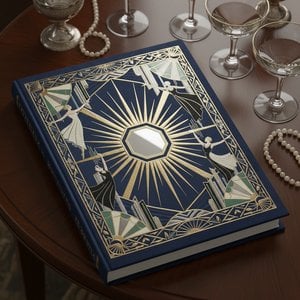
Elegant hrvatski prikaz kredence iz XVIII stoljeća od augusta Bémbe. Izražajna dekoracija i detaljne ukrase ovog komada namještaja fasciniraju pogledatelje kako umjetničkom kvaliteta tako i funkcionalnošću.

Discover August Bémbe Workshop: a pioneering German socialist & artist. Explore his impactful writings on socialism & social justice, including ‘Women & Socialism.’

Giclée / Umjetnički otisak

Giclée tisak muzejske kvalitete ili otisak na platnu uz brzu proizvodnju i fleksibilne opcije završne obrade.

P118B $10
P118H $10
P118W $10
P438Z $10
P508JH $12
P508YH $12
P805H $10
P805Z $10
P919BZ $10
P919G $10
P919XJ $10
P959ZH $10
P968JZ $12
W106C $8
W218G $10
W218JH $8
W218Y $10
W307PJ $10
W316G $10
W316PJ $8
W316Y $10
W398PJ $8
W4111J $10
W500HY $15
W500JH $15
W692G $12
W849H $8
W940BG $15
W953PJ $8

Standard
custom
CM
INCH

Odaberite jednu od naših unaprijed definiranih veličina koje odgovaraju izvornim proporcijama umjetničkog djela.

širina
visina

Možete unijeti vlastite dimenzije kako biste umjetničko djelo prilagodili specifičnom okviru ili prostoru. Ako odabrana veličina ne odgovara proporcijama izvornog rada, izrezat ćemo dio slike ili je proširiti pomoću ogledalnog efekta ili jednobojne rubne površine. Digitalni prikaz (mockup) bit će vam poslan na odobrenje prije početka proizvodnje.
Imajte na umu da pregled na zaslonu ne odražava stvarno izrezivanje ili proširivanje. Samo će mockup točno prikazati konačnu kompoziciju.
Iako su dostupne prilagođene veličine, preporučujemo odabir dimenzije iz unaprijed definirane liste kako biste očuvali izvorne proporcije.

Dostava širom svijeta () u roku od 2 tjedna umjesto standardnih 4/5 tjedana. (2 Srpanj)

why_choose_icon
Besplatna ekspresna dostava širom svijeta
why_choose_icon
Visokokvalitetno laneno platno
why_choose_icon
Potpuno osiguranje dostave
why_choose_icon
Jamstvo povrata carine i uvoznih poreza
why_choose_icon
Garancija vjernog podudaranja boja
why_choose_icon
Politika povrata u roku od 60 dana (samo u slučaju nedostataka)
why_choose_icon
Jamstvo povrata 100% novca
why_choose_icon
Popust na više proizvoda

Ukupna cijena

-

reproduction

Credenza

Giclée / Umjetnički otisak

Veličina reprodukcije

-

Ukupna cijena

-

Osnovne informacije

  • Location: Private Collection
  • Notable elements or techniques: Intricate carvings
  • Subject or theme: Furniture Design
  • Artistic style: Decorative Art
  • Medium: Painting
  • Influences: Eugène Boudin
  • Year: 1800

Kviz o umjetnosti

Svako pitanje ima samo jedan točan odgovor.

Pitanje 1:
What artistic movement is August Bémbe Workshop’s Credenza associated with?
Pitanje 2:
The painting depicts a functional piece of furniture, primarily designed for:
Pitanje 3:
What is the prominent feature that distinguishes August Bémbe Workshop’s Credenza from other furniture designs of its time?
Pitanje 4:
The inclusion of a clock above the Credenza suggests that it was intended to convey:
Pitanje 5:
Claude Monet’s influence can be seen in August Bémbe Workshop's Credenza through his pioneering approach to painting:

Opis djela

Credenza – A Reflection of Victorian Elegance

The painting “Credenza” by August Bémbe Workshop transports us back to the opulent era of the Victorian period (1837–1901), capturing a quintessential symbol of domestic comfort and refined taste. Executed around 1800, this artwork exemplifies the meticulous craftsmanship characteristic of German artistic workshops during that time—a testament to enduring aesthetic values. The piece’s subject matter is deceptively simple: a wooden cabinet or armoire – yet within its restrained form lies a wealth of visual storytelling.

Style and Technique: Detailed Carving and Decorative Ornamentation

August Bémbe Workshop's artistic vision prioritized exquisite detail, resulting in a technique that blends realism with elaborate ornamentation. The artist skillfully employed carving techniques—primarily bass relief—to transform the cabinet’s surface into a captivating tapestry of geometric patterns and floral motifs. These intricate carvings aren’t merely decorative; they speak to the prevailing Victorian fascination with symmetry, order, and natural beauty. The use of dark wood tones contributes to the piece's solemn grandeur, highlighting the meticulous attention to texture and surface finish that defines Bémbe Workshop’s style.

Historical Context: Victorian Domestic Ideals

The Credenza embodies the core tenets of Victorian domestic ideals—a belief in moral virtue, family unity, and the importance of creating a harmonious home environment. Armoires like this were considered indispensable furnishings for upper-class households, serving as repositories for linens, clothing, and treasured possessions. Furthermore, the inclusion of a clock symbolizes punctuality, diligence, and the pursuit of progress – values deeply ingrained in Victorian society. The painting reflects not only artistic skill but also the broader cultural landscape of its era.

Symbolism: Order, Beauty, and Status

Beyond its functional purpose, “Credenza” carries symbolic weight. The cabinet’s symmetrical design represents stability and balance—qualities prized by Victorians as indicators of moral character. The floral carvings evoke associations with springtime renewal and fertility, mirroring the Victorian preoccupation with idealized femininity and domestic bliss. Finally, the armoire itself serves as a visual marker of social status, demonstrating the wealth and sophistication of its owner.

Emotional Impact: Tranquility and Nostalgia

Looking at “Credenza” evokes a sense of tranquility and nostalgia—a longing for a bygone era characterized by elegance and tradition. The painting’s muted palette and masterful craftsmanship invite contemplation, prompting viewers to appreciate the beauty of understated design and the enduring legacy of Victorian artistic expression. It's a piece that speaks to our subconscious desire for permanence amidst the ever-changing currents of time.

Srodna umjetnička djela


Biografija umjetnika

Claude Monet: Capturing the Ephemeral Light of Impressionism

Born in Paris in 1840, Claude Monet’s journey to becoming one of the most influential figures in art history was far from a straightforward path. Initially raised in Le Havre, Normandy, his early life was shaped by a modest upbringing and a father who discouraged artistic pursuits. However, a pivotal encounter with Eugène Boudin around 1856 ignited within him a profound love for painting outdoors – *en plein air* – a practice that would fundamentally alter the course of art. This initial exposure to direct observation of nature became the cornerstone of his revolutionary approach.

Monet’s formal artistic training began in Paris, first with Charles Gleyre and later under the guidance of Edouard Manet. While Manet's influence is evident in Monet’s early figure compositions – particularly those from the 1860s – it was Boudin who truly instilled in him the vital principle of capturing fleeting moments and atmospheric effects. He moved to London during the Franco-Prussian War (1870-71), a period that profoundly impacted his artistic perspective, before returning to France and establishing himself at Giverny in 1883. This idyllic location would become not just a home but also a living laboratory for his evolving style.

The Birth of Impressionism

Monet’s contribution to the art world is inextricably linked to the rise of Impressionism, a movement that challenged the established conventions of academic painting. The 1874 exhibition, featuring works like *Impression, Sunrise*, marked a turning point. The critic Louis Leroy, derisively labeling the group “Impressionists,” inadvertently coined the term that would define their artistic philosophy. Unlike the polished realism favored by the Salon, Impressionist painters sought to capture the immediate sensation of light and color – the *impression* – rather than meticulously rendering detail.

Monet’s approach was particularly radical. He abandoned traditional compositional techniques, favoring loose brushstrokes and a focus on depicting the effects of light on surfaces. His series paintings—haystacks, Rouen Cathedral, water lilies—demonstrate this obsession with capturing the shifting qualities of light throughout the day and across seasons. These weren't intended as static representations but rather as records of transient moments, inviting the viewer to participate in the artist’s perceptual experience.

Technique and Innovation

Monet’s technical innovations were central to his artistic vision. He experimented extensively with color theory, often juxtaposing complementary colors – such as blue and orange – to create vibrant visual effects. His use of broken brushstrokes, applied in short, rapid movements, allowed him to build up layers of color that blended optically when viewed from a distance. This technique, known as *optical mixing*, created the illusion of depth and luminosity, mimicking the way our eyes perceive color in natural light.

Furthermore, Monet’s meticulous observation of nature informed every aspect of his work. He spent countless hours studying the changing conditions of light and atmosphere, meticulously documenting his findings through a vast body of paintings. His garden at Giverny became an integral part of this process, providing him with a constantly evolving subject matter for his artistic explorations.

Legacy and Historical Significance

Claude Monet’s impact on the history of art is immeasurable. He not only spearheaded the Impressionist movement but also fundamentally altered our understanding of what painting could be. His emphasis on subjective perception, fleeting moments, and the beauty of light paved the way for subsequent artistic movements, including Post-Impressionism and Modernism.

His later works, particularly his series paintings of Giverny’s water lilies, are considered masterpieces of twentieth-century art. They represent a culmination of his lifelong pursuit of capturing the ephemeral beauty of nature – a legacy that continues to inspire artists and captivate viewers today. Monet died in 1926, leaving behind an extraordinary body of work that remains a testament to the power of observation, innovation, and artistic vision.

august bémbe workshop

august bémbe workshop

1840 - 1913 , Germany

Osnovne informacije

  • Artistic Movement Or Style: Impressionism
  • Artists Or Movements Influenced By This Artist:
    • Pierre-Auguste Renoir
    • Post-Impressionism
  • Artists Who Influenced This Artist:
    • Eugène Boudin
    • Charles Gleyre
  • Date Of Birth: 14 November 1840
  • Date Of Death: 5 December 1926
  • Full Name: Claude Monet
  • Nationality: French
  • Notable Artworks:
    • Impression, Sunrise
    • Water Lilies series
    • Rouen Cathedral series
  • Place Of Birth: Paris, France
Istražite umjetnička djela organizirana prema temama, stilovima i karakteristikama.