Preuzmite datoteku spremnu za tisak koja kvalitom daleko nadilazi web prikaz. Svaka digitalna slika koju prodajemo prosljeđuje se iz visokorezolucijske master datoteke iz naše baze — obično širine od 5.000 do 15.000 piksela — što vam omogućuje tisak velikih dimenzija, precizno izrezivanje ili sigurnu reprodukciju najfinijih detalja.
Nijedna datoteka ne napušta naš studio netaknuta. Digitalni stručnjak uspoređuje boje s izvornim slikama i po potrebi ih ispravlja, a zatim poboljšava jasnoću i detalje pomoću profesionalnih alata za retuširanje — uvijek ostajući vjerni umjetnikovim potezima četkice i stilu. Rezultat je prikaz koji izgleda kao prava slika, a ne kao sken s filtrima.
Odobravanje prije završetka: naš stručnjak šalje sliku e-poštom u roku od 72 sata na vaš pregled. Niste zadovoljni? Zatražite poboljšanja ili ispravke, ili tražite povrat novca ako kvaliteta ne ispunjava vaša očekivanja.
To je kvaliteta na koju se oslanjaju izdavači, dizajn studiji, galerije i tiskare.
Preuzmite datoteku visoke rezolucije za osobnu izložbu, tisak i kreativne projekte. ( Prebacite na printove Kupi ručno oslikano djelo)
Odabirom WahooArt.com ne dobivate samo sliku – dobivate profesionalno unapređeno digitalno umjetničko djelo, izrađeno s najvećom preciznošću uz jamstvo zadovoljstva. Evo svega što automatski dolazi uz vašu narudžbu:
Vaša digitalna slika visoke rezolucije bit će vam poslana e-mailom u roku od 72 sata od trenutka narudžbe – spremna za neposrednu upotrebu.
Vaše umjetničko djelo profesionalno je optimizirano pomoću naprednih AI alata i ručnog uređivanja, čime se osigurava maksimalna razina detalja, oštrine i točnosti boja.
Slučajno ste obrisali ili izgubili svoju datoteku? Ne brinite – ponovno ćemo vam je poslati u bilo kojem trenutku, potpuno besplatno.
Uživajte u svojim umjetničkim djelima trenutno, bez carina, pristojbi ili troškova dostave – digitalni downloadi uvijek su oslobođeni poreza.
Uz pomoć profesionalnih alata i upravljanja bojama, osiguravamo da vaša digitalna slika što vjernije odražava izvorne boje.
Ako niste zadovoljni svojom digitalnom slikom, revidirat ćemo je ili vratiti 100% iznosa u roku od 100 dana – bez suvišnih pitanja.
Niste zadovoljni? Osigurajte puni povrat novca u roku od 100 dana od primitka digitalne datoteke – bez suvišnih pitanja.
Kupite 3 slike, uštedite 10% - Kupite 5 slika, uštedite 15% - Kupite 10+ slika, uštedite 20%. Odlično za kreativne projekte, galerije i agencije.
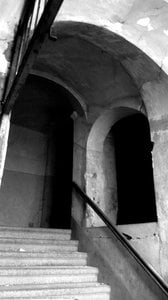
Arjun Bijlani, a name perhaps more readily associated with the vibrant stage and screen of Indian television, reveals an unexpectedly profound artistic sensibility through his photographic work. His piece, simply titled "Untitled," isn't merely a snapshot; it’s a carefully constructed exploration of space, texture, and the quiet weight of accumulated labor. The photograph, rendered in stark black and white, immediately draws the viewer into a claustrophobic interior – an old warehouse or storage facility that feels both familiar and unsettlingly alien. The composition is dominated by a steep, angled staircase, a visual metaphor for ascent and perhaps, a yearning for escape, leading upwards into a zone of deep shadow where light struggles to penetrate.
Bijlani’s approach leans heavily towards documentary photography, eschewing idealized representation in favor of an authentic capture of the scene before him. The technique appears rooted in traditional film practices – a deliberate choice that lends the image a tactile quality, a sense of history and physicality absent from the sterile perfection often associated with digital imaging. The grain of the silver halide print is visible, adding to the feeling of age and resilience, mirroring the weathered walls and stacked burlap sacks that populate the space.
The photograph’s power resides significantly in its masterful manipulation of form and texture. The converging lines of the staircase create a powerful sense of depth, pulling the viewer's eye relentlessly upwards towards a vanishing point – a symbolic destination that remains tantalizingly out of reach. Each element within the frame is meticulously rendered: the rough-hewn wood of the structure, the coarse weave of the burlap sacks, and even the subtle variations in surface texture contribute to a rich sensory experience. Bijlani doesn’t simply *show* us these materials; he invites us to *feel* them through the image.
The strong linear perspective is key to this effect. It's not just about creating depth, but also about directing our gaze and subtly shaping our interpretation of the scene. The darkness at the top of the stairs isn’t merely a lack of light; it represents an unknown, perhaps even a sense of decay or forgotten history. The photograph deliberately avoids color, amplifying the impact of texture and form, forcing us to rely on visual cues to decipher the space.
Beyond its purely aesthetic qualities, “Untitled” is rich with symbolic potential. The towering stacks of burlap sacks immediately evoke notions of labor, industry, and the relentless cycle of production. They represent not just goods stored within the warehouse, but also the countless hours invested in their creation – a silent testament to human effort. The darkness above suggests more than just shadow; it hints at secrets, forgotten memories, or perhaps even a sense of confinement.
Considering Bijlani’s background as an actor and his interest in social commentary, one can interpret the image as a meditation on the hidden realities beneath the surface of everyday life. It's a reminder that behind every seemingly ordinary space lies a complex history and a multitude of untold stories. The photograph invites us to contemplate the weight of accumulated possessions and the quiet dignity of those who labor within them.
Arjun Bijlani's journey is particularly compelling because it defies easy categorization. He has achieved considerable success in the entertainment industry, yet he continues to pursue his artistic vision with unwavering dedication. His work as a photographer offers a stark contrast to his roles on television and stage – a shift from performance to observation, from creating illusion to capturing reality. This duality is not simply a matter of compartmentalization; it’s a testament to Bijlani's multifaceted nature and his ability to draw inspiration from diverse sources.
His photographic style—rooted in documentary realism—reflects a deep respect for the subject matter, while simultaneously conveying a subtle sense of social awareness. Reproductions of “Untitled” offer a powerful way to bring this evocative image into any space, inviting viewers to contemplate its layers of meaning and appreciate Bijlani’s unique artistic perspective.
Sveukupno, "Untitled" je zabilježeno kao deep_shadow. Doživljena svjetlina opisuje koliko se djelo čini svijetlim ili tamnim.
Dostupna je i prezentacija slika na stranici Galerija slika za djelo "Untitled" autora Arjun Bijlani.
Veličina Medium, orijentacija Landscape: to su preporučene postavke za tisak djela "Untitled" autora Arjun Bijlani.


1982 - , Indija
 Pošalji
 Podijeli
 Detalji o umjetničkom djelu
 Vodič
Vodič

 Preuzmi umjetničko djelo
 Slični predmeti
 Slide show
 Pitanja i odgovori
 Statistika

 Prikaži više