


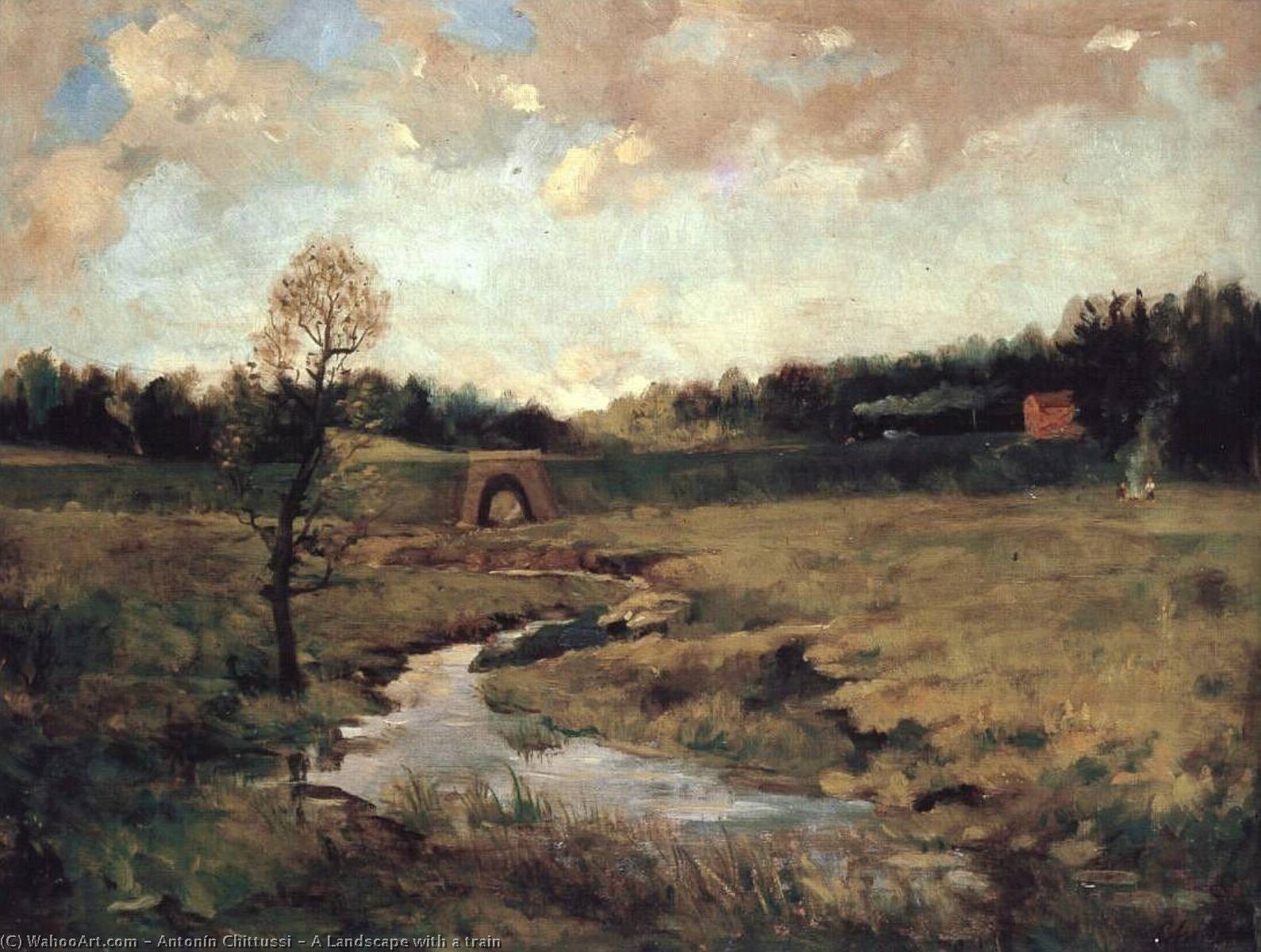
 1884
1884 30.0 x 41.0 cm
 Národní Galerie v Praze
Kupite digitalnu sliku visoke rezolucije i poboljšane kvalitete, koja je znatno superiornija od online prikaza.
Svaka datoteka pedantno je pripremljena od strane naših internih stručnjaka koristeći napredne alate i vještinsku ručnu retušu. Osiguravamo da svaka slika ima iznimnu jasnoću, preciznu točnost boja i visoku razinu detalja.
Konačna datoteka dostavlja se putem e-pošte u roku od 72 sata, optimizirana za neposrednu upotrebu u profesionalnim, uredničkim i tiskarskim okruženjima. To je ista kvaliteta kojoj vjeruju vrhunski studiji dizajna, izdavači i galerije.
Preuzmite datoteku visoke rezolucije za osobnu izložbu, tisak i kreativne projekte. ( Kupi print Kupi ručno naslikanu sliku)
Odabirom WahooArt.com ne dobivate samo sliku – dobivate profesionalno unapređeno digitalno umjetničko djelo, izrađeno s najvećom preciznošću uz jamstvo zadovoljstva. Evo svega što automatski dolazi uz vašu narudžbu:

Vaša digitalna slika visoke rezolucije bit će vam poslana e-mailom u roku od 72 sata od narudžbe – spremna za neposrednu upotrebu.

Vaše umjetničko djelo profesionalno je optimizirano pomoću naprednih AI alata i ručnog uređivanja, čime se osigurava maksimalna razina detalja, oštrine i točnosti boja.

Slučajno ste obrisali ili izgubili svoju datoteku? Ne brinite – ponovno ćemo vam je poslati u bilo kojem trenutku, potpuno besplatno.

Uživajte u svojim umjetničkim djelima trenutno, bez carina, pristojbi ili troškova dostave – digitalne datoteke uvijek su oslobođene poreza.

Uz pomoć profesionalnih alata i upravljanja bojama, osiguravamo da vaša digitalna slika što vjernije odražava izvorne boje.

Ako niste zadovoljni svojom digitalnom slikom, revidirat ćemo je ili vratiti 100% novca u roku od 100 dana – bez ikakvih pitanja.

Niste zadovoljni? Osigurajte puni povrat novca u roku od 100 dana od primitka vaše digitalne datoteke – bez suvišnih pitanja.

Kupite 3 slike, uštedite 10% - Kupite 5 slika, uštedite 15% - Kupite 10+ slika, uštedite 20%. Odlično za kreativne projekte, galerije i agencije.

In the tapestry of nineteenth-century European art, few threads are as delicately woven as those of Antonín Chittussi. Born on December 1, 1847, in the quiet town of Ronov nad Doubravou, Chittussi was a painter whose very essence seemed to bridge the gap between the rustic, grounded traditions of the Barbizon School and the shimmering, light-drenched innovations of Parisian Impressionism. His lineage was one of movement and commerce; born to an Italian father from a merchant family that had migrated to Bohemia during the Napoleonic Wars, Chittussi carried within him a cosmopolitan spirit that would later drive him far beyond the borders of his homeland. Though his early life in Bohemia suggested a path toward the family business or perhaps engineering, a profound, innate talent for capturing the nuances of light and shadow beckoned him toward the easel.
His formative years were marked by a restless search for artistic truth. After initial studies in Kutná Hora under František Bohumír Zvěřina, where he mastered the foundational rigors of drawing, Chittussi found himself at odds with the rigid academicism prevalent in Prague. This dissatisfaction propelled him toward Munich and eventually to the heart of the art world: France. It was during his years spent in France, particularly between 1879 and 1884, that his style truly blossomed. Immersed in the atmosphere of the French landscape movement, he became a successor to the Barbizon masters, learning to observe the subtle shifts in atmospheric perspective and the tonal harmonies of the natural world. His work began to breathe with a new vitality, capturing not just the scenery, and landscapes, but the very air that surrounded them.
Chittussi’s career was not merely a pursuit of aesthetic beauty; it was also deeply intertwined with the turbulent political currents of his era. He was a man of conviction, a trait famously demonstrated in 1876 when he participated in a courageous student protest against the nationalist sentiments of Professor Alfred Woltmann at Charles University. This act of defiance led to his expulsion from the Academy and even a brief period of imprisonment alongside the renowned Mikoláš Aleš. Such moments of historical friction served to galvanize his artistic identity, pushing him to seek independence and refine a voice that was uniquely his own—one that could navigate both the patriotic social circles of Prague and the avant-garde salons of Paris.
As his technique matured, Chittussi’s oeuvre became a testament to the beauty of plein air realism. His landscapes and cityscapes are characterized by an evocative ability to render the ephemeral qualities of light—the way it filters through a canopy of trees or reflects off a quarry at Champigny. Through his work, he contributed decisively to the establishment of landscape painting as a leading genre within the Czech context, elevating it from mere topographical recording to a profound emotional experience. His later years, spent working in both Bohemia and France, saw him perfecting a style that celebrated the quiet majesty of the natural world, leaving behind a legacy that remains a cornerstone of modern Czech art.
The enduring significance of his contributions can be summarized through several key artistic pillars:
1847 - 1891

 Pregledaj u stvarnoj veličini
 Pošalji
 Podijeli
 Detalji o umjetničkom djelu

 Preuzmi
 Slični predmeti
 Rentgenska snimka
 Automatska prezentacija
 Prikaži više


