


 Acrylic On CanvasWallArtEarly Renaissance
 1465
1465 86.0 x 69.0 cm
Ručno oslikano uljanim bojama na platnu u dimenzijama i okviru po vašem izboru, izrađeno po narudžbi od strane naših umjetnika. ( Kupi print Kupi digitalnu sliku)





























Odaberite jednu od naših unaprijed definiranih veličina koje odgovaraju izvornim proporcijama umjetničkog djela.

Možete unijeti vlastite dimenzije kako bi odgovarale određenom okviru ili prostoru. Ako odabrana veličina ne odgovara proporcijama izvorne slike, izrezat ćemo umjetničko djelo ili proširiti sliku dodatnim ručno oslikanim elementima. Digitalni nacrt bit će vam poslan na odobrenje prije početka proizvodnje.
Imajte na umu da pregled na ekranu ne prikazuje stvarno izrezivanje ili proširivanje. Samo će nacrt točno prikazati konačni sastav.
Iako su dostupne prilagođene veličine, preporučujemo odabir dimenzije s preddefiniranog popisa kako bismo očuvali izvorne proporcije.
Isporuka širom svijeta () u roku od 3-4 tjedna umjesto standardnih 5 tjedana. (7 Rujan). Bez kompromisa u kvaliteti.


The Presentation
Veličina reprodukcije
Andrea Mantegna’s “The Presentation at the Temple,” painted around 1455, stands as a cornerstone of Early Renaissance art—a testament to its fascination with classical ideals and meticulous observation of detail. More than just a depiction of biblical narrative, it embodies a profound intellectual engagement with Roman antiquity, reflecting Mantegna's formative years under Francesco Squarcione’s tutelage at Padua’s humanist workshop.
The color palette leans heavily on earthy tones – browns, reds, and golds – accented by delicate whites and muted blues. These hues are strategically contrasted to highlight key figures like Mary’s pale skin and the infant Jesus’ crimson robe, emphasizing visual impact and conveying solemn reverence.
Beyond its formal elements, “The Presentation” resonates with profound symbolic meaning. The aureola encircling Mary, Jesus, and Simeon signifies holiness and divine grace, while the expressions on their faces convey tenderness, piety, and unwavering faith—capturing the essence of spiritual contemplation.
Mantegna’s dedication to accuracy—evident in the detailed rendering of drapery folds, skin tones, and architectural elements—reflects a humanist impulse rooted in the rediscovery of classical knowledge. This artwork remains an enduring emblem of Renaissance artistic ambition: a courageous attempt to revive the grandeur and intellectual rigor of Rome amidst the burgeoning cultural landscape of Florence and Padua.


1431 - 1506 , Italija
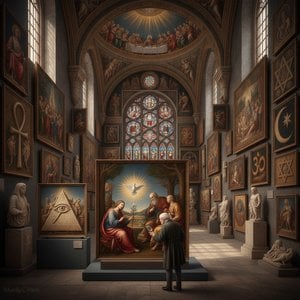
Explore the profound power of religious symbolism in art history. From Renaissance masterpieces to sacred iconography, uncover the hidden meanings behind divine details in a deep dive into classical art excellence.
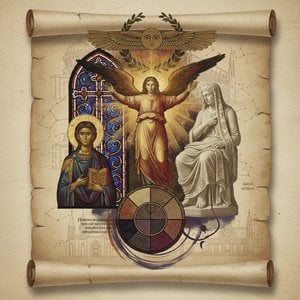
Explore the profound impact of spiritual themes in fine art. From Renaissance iconography to Baroque drama, discover how sacred symbolism and divine visions have shaped art history through a scholarly and reflective lens.

 Pregledaj u stvarnoj veličini
 Pošalji
 Podijeli
 Detalji o umjetničkom djelu

 Preuzmi
 Slični predmeti
 Rentgenska snimka
 Automatska prezentacija
 Prikaži više







 Opcija stakla dostupna je samo za dimenzije manje od 110 cm


