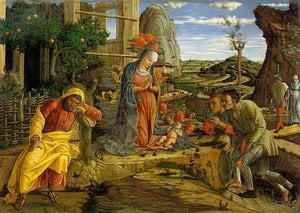
Andrea Mantegna: Renesansni Majstor Perspektive i Skulpturalnog Detalja
Andrea Mantegna, rođen oko 1431. godine u blizini Padove, zauzima ključno mjesto među umjetnicima koji su premošćivali rano i visoko doba renesanse. Njegovo umjetničko putovanje nije bilo samo usvajanje klasicističkih oblika; to je bio duboki i strastveni pokušaj da se oživi duh Rima u procvjetavajućoj talijanskoj renesansi, kroz sveobuhvatno istraživanje antičke prošlosti. Za razliku od mnogih suvremenika koji su crpili inspiraciju iz klasičnih uzora, Mantegna je posjedovao jedinstvenu žar za arheološkom preciznošću. Ta opsesija potekla je iz njegovih ranih godina pod vodstvom Francesca Squarcionea, slikara i kolekcionara čiji je atelje funkcionirao više kao akademija posvećena proučavanju rimskih ruševina, skulptura i natpisa nego kao tradicionalni slikarski studio. U tim zidinama, okružen fragmentima izgubljenog carstva, Mantegnin umjetnički vizion je počeo oživljavati – viziju obilježenih skulpturalnim oblicima, dramatičnom perspektivom i gotovo opsesijom prema detalju. Njegov raniji život ostaje dijelom obavijen misterijom; priče sugeriraju da je otkriven kao talentirani učenik, čiji urođeni dar prepoznat i negovan od strane Squarcionea, uprkos skromnom porijeklu. Ta neobična pozadina možda je potaknula njegov neumorni juriš na umjetničku zrelost i odlučnost da stvori stil izrazito svojstven.
Gonzagova Dvorana i Iluzija Realnosti
Mantegnin se karijera zaista procvjetala kada je stupio u službu obitelji Gonzaga u Mantovi, postajući dvorstveni slikar 1488. godine. To patrociniranje pružilo mu je neviđenu umjetničku slobodu i platformu za realizaciju njegovih najambicioznijih projekata. Gonzagi nisu bili samo mecenati; bili su suradnici, naručujući djela koja su gurajući granice umjetničke inovacije. Tijekom tog razdoblja Mantegna je stvorio ono što se smatra njegovim remek-djelo: freske u *Camera degli Sposi* (Vjenčanoj sobi) u Palazzo Ducale. Ovo revolucionarno djelo nadilazi pukku dekoraciju; to je potpuna iluzionistička sredina, koja besprijecorno integrira arhitekturu i slikarstvo kako bi stvorila produženi osjećaj prostora. Freske prikazuju scene iz života obitelji Gonzaga, portrete koji su nevjerojatno realni i privlačni te zapanjujući panel s krovom *di sotto in sù* (viđen od dolje) koji stvara iluziju otvorenog neba. Ova majstorska manipulacija perspektivom nije bila samo tehnička vještina; to je bilo stvaranje svijeta unutar sobe, izmažući granice između stvarnosti i reprezentacije. Osim *Camera degli Sposi*, Mantegna je nastavio producirati djela izvanredne kvalitete za Gonzagovu dvoranu, uključujući monumentalni ciklus *Triumphs of Caesar*. Ta djela, inspirirana rimskim trijumfalnim procesijama, nisu samo povijesna prikazivanja; to su slojevite alegorije koje slave moć i ugled obitelji Gonzaga, predstavljene s raskoši koja se može usporediti s carskom ambicijom drevnog Rima.
Majstor Perspektive i Anatomske Preciznosti
Mantegnine umjetničke inovacije protezale su se daleko izvan iluzionističkih sredina. Bio je pionir u korištenju perspektive, često primjenjujući tehnike koje su išle protiv konvencionalnih metoda kako bi postigao dramatične efekte. Često je prilagođavao horizontu kako bi stvorio osjećaj monumentalnosti i impresivnog opsega. Ova tehnika, u kombinaciji s njegovom pomijećnom pažnjom prema anatomske detalje, dala je njegovim figurama neusporedivo osjećaj težine i prisutnosti. Nije se zadovoljavao samo prikazivanjem ljudskog oblika; on ga je rastavio, proučavao mišiće i reproducirao ih s preciznošću koja je bila revolucionarna za njegovo vrijeme. Njegova vještina *trompe-l'oeil* – stvaranja iluzija tako uvjerljivih da zavaravaju oko – dodatno je pojačala taj efekt, izmažući granice između slikarstva i stvarnosti. Ta posvećenost anatomske preciznosti nije bila samo vježba tehničke vještine; odražavala je njegovu duboku uključenost u klasičnu skulpturu i njegovu želju da oponaša idealizirane oblike antičke prošlosti. Težio je ne samo prikazati ljudsko tijelo, već uhvatiti njegov urođeni dostojanstvo i moć. Njegov utjecaj na sljedeće generacije umjetnika, uključujući Raffaela i Michelangela, nezamjenjiv je, jer su se oslanjali na njegove temelje u perspektivi, anatomiji i kompoziciji.
Nasljeđe i Trajna Utjecajnost
Andrea Mantegna je umro u Mantovi 1506. godine, ostavivši iza sebe naslijeđe koje nastavlja inspirirati povjesničare umjetnosti i zaljubljenike u umjetnost. Njegovo djelo predstavlja ključnu prekretnicu u povijesti renesansne umjetnosti, premošćujući jaz između ranog i visokog doba renesanse. On nije bio samo imitator klasicističkih oblika; on je bio tumač, prilagođavajući drevne motive i tehnike kako bi stvorio nešto potpuno novo i izrazito njegovo.
Njegova pomijećna pažnja prema detalju, njegova majstorija perspektive i njegova duboka uključenost u antičku prošlost uspostavili su ga kao vodeću figuru svog vremena. Mantegnin istraživanje klasičnih tema pomoglo je oživjeti interes za drevnu umjetnost i kulturu, otvarajući put umjetničkim postignućima visokog doba renesanse. Njegov utjecaj se može vidjeti u djelima bezbrojnih umjetnika koji su slijedili, od Raffaellove graciozne kompozicije do Michelangelovih moćnih figura. Danas se njegova djela nalaze u glavnim muzejima diljem svijeta, uključujući Nacionalnu galeriju u Londonu i Pinacoteku di Brera u Milanu, gdje nastavljaju inspirirati divljenje i poštovanje.
- Njegova inovativna upotreba perspektive i dalje se proučava od strane umjetnika i povjesničara umjetnosti.
- Njegova anatomska preciznost ostaje mjerilo za realističku reprezentaciju.
- Njegova posvećenost klasičnim temama pomogla je oblikovati tijek renesansne umjetnosti.
Mantegnin trajno naslijeđe leži ne samo u njegovoj tehničkoj briljantnosti, već i u njegovoj sposobnosti da svojim djelima udahne intelektualnu dubinu i emocionalnu moć, čineći ga jednim od najvažnijih i utjecajnijih umjetnika talijanske renesanse.



 Pregledaj u stvarnoj veličini
 Prebacite na prodaju printova
 Podijeli
 Podijeli
 Detalji
 Guide
Guide

 Preuzmi datoteku
 Slični predmeti
 Rentgenska snimka
 Slide show
 Statistika
 Pročitajte više