Pioniir orijentalističkih vizija: Život i djelo Alexandrea Gabriela Decampsa
Alexandre Gabriel Decamps, ime koje odjekuje vibrirajućim nijansama egzotičnih krajolika i dramatičnim naglaskom romantizma, pojavio se kao ključna figura francuskog slikarstva 19. stoljeća. Rođen u Parizu 3. ožujka 1803. godine, njegov umjetnički put bio je obilježen hrabrom inovacijom, osporavanjem akademskih konvencija i utirivanjem puta onome što će postati poznato kao orijentalizam. Iako su suvremenici poput Delacroixa i Ingresa također zauzimali istaknuto mjesto u francuskom umjetničkom svijetu, Decamps se istaknuo intenzivno osobnim stilom – mješavinom pedantnog promatranja, dramatične kompozicije i očaravajuće narativne kvalitete koja je privukla gledatelje u svjetove poznate i potpuno stranih. Rano priznanje kao talentiran umjetnik najavilo je karijeru obilježenu kritičkim pohvalama, kulminirajući s velikom ili vijećničkom medaljom na Pariškoj izložbi 1855. godine, svjedočanstvom njegove iznimne vještine i jedinstvene vizije. Izvan platna, Decamps je bio čovjek duboko povezan s prirodom, nalazeći utjehu i inspiraciju u okolici Pariza, gdje se prepuštao svojoj strasti za životinjama i lovom – naklonosti koja bi suptilno prožimala veliki dio njegovog umjetničkog stvaralaštva.
Od Svetih pisama do Sahare: Evolucija umjetničkog stila
Decampsov umjetnički razvoj karakterizirala je spremnost na istraživanje raznolikih tema i tehnika. U početku privučen povijesnim i biblijskim scenama, brzo se istaknuo portretiranjem tih priča s neviđenom razinom realizma – utemeljenjem ih u autentičnim lokalnim postavkama umjesto oslanjanja na idealizirane ili konvencionalne prikaze. Ova predanost verozvornosti proizašla je iz njegovih putovanja na Istok, iskustava koja su duboko utjecala na njegov umjetnički osjećaj. On nije samo prikazivao ono što je vidio; prenosio je osjećaj atmosfere, svjetla i same esencije tih dalekih zemalja.
Joseph prodan od braće svoje, primjerice, nije jednostavno ilustracija biblijske priče, već živopisni portret određenog vremena i mjesta, protkan emocionalnom dubinom i psihološkim uvidom. Ovaj pristup proširio se na njegova veća povijesna djela poput
Poraza Cimbra, gdje je majstorski uhvatio kaos i brutalnost bitke, pokazujući svoju sposobnost rukovanja velikim kompozicijama s dinamičnom energijom. Međutim, upravo su njegovi prikazi orijentalnog života istinski izdvajali njega od ostalih. Otkrio je svakodnevne scene – tržnice, škole, interijere domova – s vjernošću koja je u početku zbunjivala kritičare navikle na romantičnije ili stereotipne prikaze.
Otac orijentalizma i njegov trajni utjecaj
Decamps se s pravom smatra ocem orijentalizma u francuskom slikarstvu. Prije njega, prikazi Istoka bili su često filtrirani kroz leću fantazije i egzotike. Predstavio je drugačiju viziju – onu ukorijenjenu u izravnom promatranju i iskrenoj znatiželji. Njegova izložba na Salonu 1831. godine označila je prekretnicu, upoznavajući parišku publiku s nepristrasnim pogledom na život u Sjevernoj Africi i Bliskom istoku. Ovaj pionirski pristup rezonirao je s umjetnicima i piscima, nadahnuvši val orijentalističkih djela koja su dominirala velikim dijelom umjetnosti 19. stoljeća. Njegov stil – karakteriziran smjelim potezima kista, upečatljivim kontrastima svjetla i sjene te opipljivim osjećajem atmosfere – postao je referentna točka za generacije slikara, fotografa i autora.
Maxime du Camp ga je slikovito nazvao “Kristoforom Kolumbom Orijenta”, prepoznajući njegovu pionirsku ulogu u otvaranju ovog novog umjetničkog područja.
Albanski plesač, s živopisnim bojama i energičnom kompozicijom, primjer je njegove sposobnosti da uhvati duh kulture uz zadržavanje izrazito francuske estetske osjetljivosti. Čak i satirična djela poput
Majmuna poznavatelja, šaljiva napomena konzervativnom žiriju Académie des Beaux-Arts, pokazuju njegovu spremnost izazvati uspostavljene norme i prihvatiti neovisniju umjetničku viziju.
Tragičan kraj i trajno nasljeđe
Nažalost, život je Decampsa tragično prekinut 22. kolovoza 1860. godine u dobi od 57 godina nakon lova u blizini Fontaineblea. Njegova prerana smrt lišila je umjetnički svijet istinski inovativnog talenta, ali njegovo nasljeđe nastavlja trajati kroz njegove očaravajuće slike i njihovu trajnu privlačnost. Danas se remekopredjela poput
Incendie d'un village italien, s dramatičnim prikazom sukoba i majstorskom uporabom impasta, te
Beduin koji se odmara s kamelom u pustinji, koja pokazuje teksture i spokoj života u pustinji, slave zbog svoje umjetničke vrijednosti i povijesnog značaja. Njegova djela mogu se pronaći u prestižnim institucijama poput Musée du Louvrea u Parizu, osiguravajući da njegova vizija nastavlja inspirirati i očaravati publiku diljem svijeta. Platforme poput WahooArt.com igraju vitalnu ulogu u očuvanju i širenju njegove umjetnosti, nudeći visokokvalitetne reprodukcije koje omogućuju obožavateljima da iskuse ljepotu i snagu Decampsovih slika iz prve ruke. Njegov utjecaj seže dalje od područja slikarstva, oblikujući percepciju Istoka i ostavljajući neizbrisiv trag na kulturnoj slici Europe u 19. stoljeću.
Istraživanje Decampsovog svijeta: Značajna djela
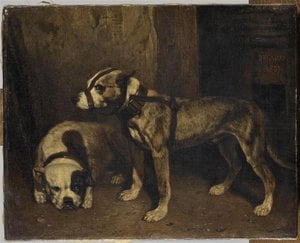
- CHIENS BRIFAUTS: Šarmantna orijentalistička scena koja prikazuje pse u živopisnom okruženju.
- LA COUR DE FERME: Očaravajuće slikarstvo iz 19. stoljeća koje spaja francuski romantizam s povijesnim detaljima.
- L’ÉCOLE TURQUE: Živopisan prikaz turske škole, koji uhvaća energiju i atmosferu svakodnevnog života.
- PAYSAGE TURC: Miran krajolik koji istražuje realizam i romantizam u francuskom okruženju.



 Pregledaj u stvarnoj veličini
 Prebacite na print
 Pošalji
 Podijeli
 Detalji o umjetničkom djelu

 Preuzmi
 Slični predmeti
 Rentgenska snimka
 Automatska prezentacija
 Statistika

 Prikaži više