BESPLATNE UMJETNIČKE KONSULTACIJE

x
Kupi otisak Kupi otisakNaručite reprodukciju Naručite reprodukciju PošaljiPošalji
DetaljiDetalji Dodaj u omiljene Dodaj u omiljene PreuzmiPreuzmi Slični predmetiSlični predmeti Rentgenska snimkaRentgenska snimka Automatska prezentacijaAutomatska prezentacija

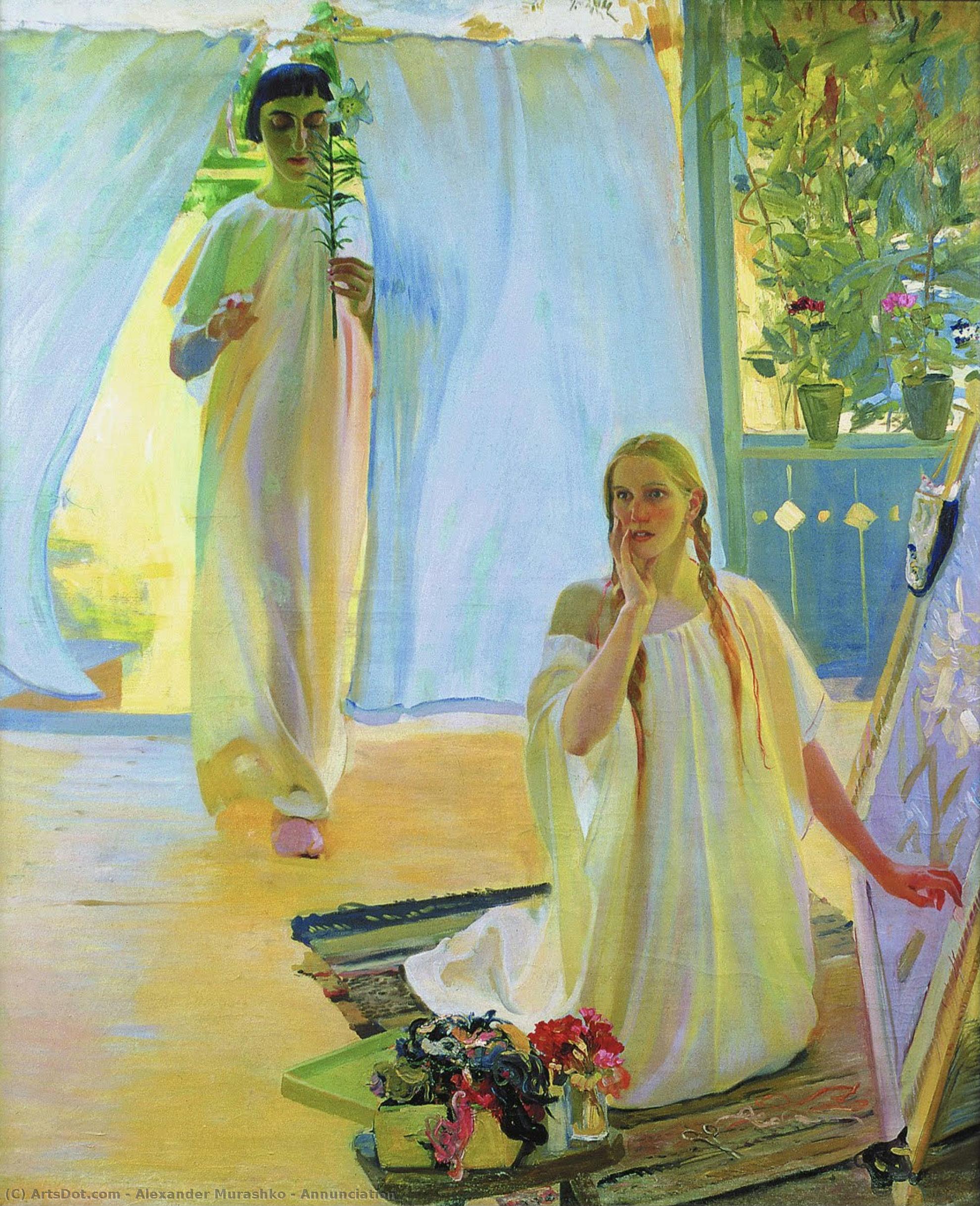
Annunciation

Discover Alexander Murashko, a Ukrainian painter famed for his expressive portraits & impactful artwork. Explore his legacy at the Lugansk Regional Art Museum.

Kupite digitalnu sliku visoke rezolucije i poboljšane kvalitete, koja je znatno superiornija od online prikaza.

Svaka datoteka pedantno je pripremljena od strane naših internih stručnjaka koristeći napredne alate i vještinsku ručnu retušu. Osiguravamo da svaka slika ima iznimnu jasnoću, preciznu točnost boja i visoku razinu detalja.

Konačna datoteka dostavlja se putem e-pošte u roku od 72 sata, optimizirana za neposrednu upotrebu u profesionalnim, uredničkim i tiskarskim okruženjima. To je ista kvaliteta kojoj vjeruju vrhunski studiji dizajna, izdavači i galerije.

Digitalna slika

Preuzmite datoteku visoke rezolucije za osobnu izložbu, tisak i kreativne projekte.

Ukupna cijena

$9.99

Uključeno uz svaku narudžbu digitalne slike

Profesionalna digitalna dostava, zajamčena

Odabirom WahooArt.com ne dobivate samo sliku – dobivate profesionalno unapređeno digitalno umjetničko djelo, izrađeno s najvećom preciznošću uz jamstvo zadovoljstva. Evo svega što automatski dolazi uz vašu narudžbu:

shipping_icon
Brza dostava e-poštom

Vaša digitalna slika visoke rezolucije bit će vam poslana e-mailom u roku od 72 sata od narudžbe – spremna za neposrednu upotrebu.

canvas_icon
Digitalna datoteka poboljšana AI-om

Vaše umjetničko djelo profesionalno je optimizirano pomoću naprednih AI alata i ručnog uređivanja, čime se osigurava maksimalna razina detalja, oštrine i točnosti boja.

insurance_icon
Besplatna ponovna dostava doživotno

Slučajno ste obrisali ili izgubili svoju datoteku? Ne brinite – ponovno ćemo vam je poslati u bilo kojem trenutku, potpuno besplatno.

tax_icon
Bez uvoznih carina – ikada

Uživajte u svojim umjetničkim djelima trenutno, bez carina, pristojbi ili troškova dostave – digitalne datoteke uvijek su oslobođene poreza.

color_icon
Jamstvo točnosti boja

Uz pomoć profesionalnih alata i upravljanja bojama, osiguravamo da vaša digitalna slika što vjernije odražava izvorne boje.

return_icon
Jamstvo zadovoljstva u trajanju od 60 dana

Ako niste zadovoljni svojom digitalnom slikom, revidirat ćemo je ili vratiti 100% novca u roku od 60 dana – bez ikakvih pitanja.

guarantee_icon
100% Jamstvo povrata novca

Niste zadovoljni? Osigurajte puni povrat novca u roku od 60 dana od primitka vaše digitalne datoteke – bez suvišnih pitanja.

discount_icon
Popusti na velike narudžbe

Kupite 3 slike, uštedite 10% - Kupite 5 slika, uštedite 15% - Kupite 10+ slika, uštedite 20%. Odlično za kreativne projekte, galerije i agencije.


Biografija umjetnika

Jean-Baptiste-Camille Corot: Bridging Realism and Impressionism

Jean-Baptiste-Camille Corot, born in Paris on July 16, 1796, stands as a pivotal figure in the transition between Neoclassicism and the burgeoning world of Impressionism. More than simply a landscape painter, Corot was a master of atmosphere, light, and color—a revolutionary who subtly yet profoundly shaped the course of modern art. His life, marked by both privilege and hardship, provided him with unique opportunities to observe and capture the essence of the French countryside, ultimately forging a style that remains deeply admired for its quiet beauty and evocative power.

Corot’s early years were remarkably comfortable. Born into a bourgeois family—his father a wig maker and his mother a milliner—he received a solid education, including a scholarship to Lycée Pierre-Corneille in Rouen. However, he eschewed the traditional path of formal training, finding it restrictive. Instead, he apprenticed briefly with Achille Etna Michallon, a landscape painter known for his meticulous detail, and later with Jean-Victor Bertin, a student of Pierre-Henri de Valenciennes, both established figures in the Parisian art scene. These early influences provided him with foundational skills but it was Corot’s independent exploration that truly defined his artistic vision.

A significant turning point came in 1825 when he embarked on a transformative journey to Italy. This sojourn wasn't merely a vacation; it was a deliberate immersion into the landscapes and techniques of the Old Masters, particularly those of the Venetian School. He spent years studying the effects of light and color in the Italian countryside, absorbing the atmospheric perspective and tonal harmonies that would later become hallmarks of his work. Returning to Paris in 1827, he began exhibiting his Italian sketches, characterized by their loose brushwork and vibrant colors—a departure from the polished surfaces favored by many of his contemporaries. These early works demonstrated a nascent interest in capturing fleeting moments and atmospheric effects, foreshadowing the Impressionist movement.

The Pursuit of Light and Atmosphere

Corot’s artistic philosophy centered on the observation and representation of nature—not as static subjects to be meticulously rendered, but as dynamic forces constantly shifting with light and weather. He famously declared that he “painted what I saw, not what I thought I should see.” This commitment to direct observation led him to embrace the *plein-air* method – painting outdoors directly from nature. Unlike many of his contemporaries who worked primarily in the studio, Corot sought to capture the immediacy and spontaneity of the natural world.

His technique evolved over time. Initially, his paintings were characterized by crisp outlines and bright colors, reminiscent of his Italian studies. However, as he matured, he gradually softened his brushstrokes, diluted his pigments, and employed a wider range of tones to create atmospheric depth and subtle gradations of light. He was particularly adept at depicting the effects of mist, fog, and twilight, imbuing his landscapes with an ethereal quality. His use of color became increasingly muted and harmonious, reflecting his belief that beauty lies not in dramatic contrasts but in delicate nuances.

Subjects and Influences

While primarily a landscape painter, Corot’s subject matter was remarkably diverse. He painted scenes of rural life—peasants working the land, shepherds tending their flocks, and families gathering for meals—often imbued with a sense of melancholy or quiet dignity. These figures were rarely depicted in grand narratives but rather as integral parts of the landscape, reflecting his belief that humans are ultimately part of nature.

Corot’s work was profoundly influenced by several sources. The Barbizon School, a group of artists who sought to paint directly from nature in the forests surrounding Paris, exerted a significant impact on him. He admired the Barbizon painters' commitment to capturing the textures and colors of the French countryside. Furthermore, he drew inspiration from the works of earlier masters such as Claude Lorrain and Gaspard Poussin, whose use of light and color he studied with great care. However, Corot ultimately forged his own unique style—a synthesis of observation, technique, and personal vision.

Legacy and Impact

Despite facing periods of financial hardship and struggling to gain recognition during his lifetime, Jean-Baptiste-Camille Corot’s influence on subsequent generations of artists is undeniable. His pioneering use of *plein-air* painting and his emphasis on atmospheric effects paved the way for the Impressionists—artists such as Monet, Renoir, and Pissarro—who built upon his innovations to create a new language of light and color.

Corot’s legacy extends beyond his direct influence on Impressionism. His paintings continue to be admired for their quiet beauty, evocative power, and profound understanding of the natural world. He demonstrated that landscape painting could be more than mere decoration—it could be a vehicle for exploring fundamental questions about human existence and our relationship with nature. He died in Paris on February 22, 1875, leaving behind a vast body of work that remains a testament to his artistic vision and enduring contribution to the history of art.

alexander murashko

alexander murashko

1875 - 1919 , Ukraine

Kratke činjenice

  • Artistic Movement Or Style: Realism, Landscape
  • Artists Or Movements Influenced By This Artist: ['Impressionism']
  • Artists Who Influenced This Artist:
    • Michallon
    • Bertin
  • Date Of Birth: 1796-07-16
  • Date Of Death: 1875-02-22
  • Full Name: Jean-Baptiste-Camille Corot
  • Nationality: French
  • Notable Artworks:
    • Views at Narni
    • Roman Campagna
  • Place Of Birth: Paris, France