


 Ink On PaperWallArtNorthern Renaissance
 Renaissance
 200.0 x 285.0 cm
 Bibliothek
Giclée tisak muzejske kvalitete ili otisak na platnu uz brzu proizvodnju i fleksibilne opcije završne obrade. ( Kupi ručno naslikanu sliku Kupi digitalnu sliku)





























Odaberite jednu od naših unaprijed definiranih veličina koje odgovaraju izvornim proporcijama umjetničkog djela.

Možete unijeti vlastite dimenzije kako biste umjetničko djelo prilagodili specifičnom okviru ili prostoru. Ako odabrana veličina ne odgovara proporcijama izvornog rada, izrezat ćemo dio slike ili je proširiti pomoću ogledalnog efekta ili jednobojne rubne površine. Digitalni prikaz (mockup) bit će vam poslan na odobrenje prije početka proizvodnje.
Imajte na umu da pregled na zaslonu ne odražava stvarno izrezivanje ili proširivanje. Samo će mockup točno prikazati konačnu kompoziciju.
Iako su dostupne prilagođene veličine, preporučujemo odabir dimenzije iz unaprijed definirane liste kako biste očuvali izvorne proporcije.
Dostava širom svijeta () u roku od 2 tjedna umjesto standardnih 4/5 tjedana. (7 Rujan)


Six Goblets
Veličina reprodukcije
In the quiet, meticulous world of Albrecht Dürer’s Six Goblets, time seems to suspend itself within the delicate intersections of ink and paper. Created around 1507, this extraordinary work is far more than a mere collection of decorative vessels; it is a profound meditation on the beauty of the physical world and the human capacity for observation. As a pinnacle of the Northern Renaissance, the drawing invites viewers into a realm where every hatch mark and fine line serves to celebrate the tangible textures of existence. For the discerning collector or interior designer, this piece offers an unparalleled sense of intellectual elegance, bringing the disciplined grace of the 16th century into a contemporary space.
The composition unfolds with a sophisticated, asymmetrical rhythm that guides the eye through a dense landscape of silver and gold. Six goblets of varying heights and intricate designs dominate the frame, their surfaces catching an unseen light that suggests a soft, ambient glow. Nestled among these man-made treasures, a small bird perches atop one of the vessels, introducing an organic, breathing element to the stillness. This juxtaposition of the crafted and the natural is a hallmark of Dürer’s genius, creating a visual dialogue between human artistry and the spontaneous beauty of nature.
To gaze upon Six Goblets is to witness a masterclass in technical virtuosity. Eschewing the use of color, Dürer relies entirely on a monochromatic palette of grays, blacks, and whites to build volume and depth. Through the painstaking application of quill and ink, he employs advanced hatching and cross-hatching techniques that simulate the reflective sheen of polished metal and the soft, downy texture of bird feathers. The artist’s ability to manipulate line weight creates a remarkable illusion of three-dimensionality; objects positioned in the foreground possess a sharp, commanding presence, while those receding into the background soften, lending the composition an atmospheric depth.
This level of detail provides a tactile quality that is rare in two-dimensional works. One can almost feel the cool weight of the metal and the delicate fragility of the bird's wings. For those seeking to adorn a room with art that commands attention through subtlety rather than spectacle, this drawing offers a sophisticated way to introduce texture and complexity. It serves as a focal point that rewards prolonged contemplation, revealing new intricacies with every viewing.
Beyond its technical brilliance, the artwork is steeped in the humanist ideals of Dürer’s era. The Renaissance was a period defined by an intense fascination with order, proportion, and the integration of natural truth into art. The bird, often interpreted as a symbol of freedom or the harmony of the natural world, acts as a spiritual counterpoint to the rigid, structured beauty of the goblets. This interplay suggests a universe where human craftsmanship and divine nature exist in perfect, balanced equilibrium.
For the modern enthusiast, owning a high-quality reproduction of such a seminal work is an opportunity to inhabit this historical legacy. Whether placed in a minimalist study or a richly textured library, Six Goblets brings with it an aura of scholarly prestige and timelessness. It is a piece that does not merely decorate a wall; it enriches the very atmosphere of a home, offering a window into a period when art was a sacred pursuit of truth, precision, and enduring beauty.


1471 - 1528 , Italija
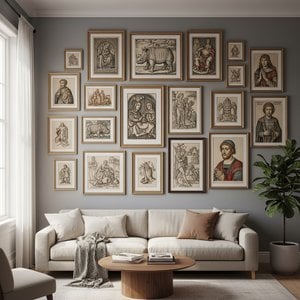
Explore 25 iconic artworks by Albrecht Dürer, a master of the German Renaissance. Discover the stories behind Melencolia I, Knight Death and Devil & more. Find museum-quality art reproductions for your home at WahooArt.com.

Otkrijte 25 najpoznatijih umjetnina Britanskog muzeja! Istražite povijest, tehnike i priče iza remek-djela egipatske umjetnosti, grčkih skulptura & baroka. Pronađite inspiraciju za dekoraciju interijera s WahooArt.com
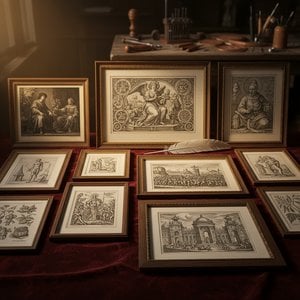
Journey through art history with our Top 10 Legendary Engravings! Explore masterpieces by Dürer, Rembrandt & Goya. Discover the stories behind these iconic prints and find museum-quality reproductions for your home at WahooArt.com.

Explore the life & art of Albrecht Dürer, a pivotal German Renaissance master. Discover his groundbreaking printmaking techniques, iconic self-portraits, and lasting influence on Western art history. A deep dive into innovation & symbolism.

Explore the rich history of engraving with WahooArt. Discover techniques, iconic artists like Dürer & Callot, collecting tips, and expert guidance for preserving your art investment. Learn about intaglio printing & more!

 Pregledaj u stvarnoj veličini
 Pošalji
 Podijeli
 Detalji o umjetničkom djelu

 Preuzmi
 Slični predmeti
 Rentgenska snimka
 Automatska prezentacija
 Prikaži više







 Opcija stakla dostupna je samo za dimenzije manje od 110 cm


