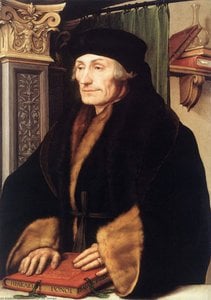
Albreht Dürer: Renesansni Genij iz Njemačke
Albreht Dürer, ime koje je sinonim za njemačku renesansu, rođen je 1471. godine u Nürnbergu, gradu koji je bio srce umjetničke i trgovačke aktivnosti. Od malena se pokazalo da posjeduje izniman talent za crtanje, a otac, Albreht Dürer stariji, uspješni zlatar, prepoznao je njegov potencijal. Iako je prvotno planirao da slijedi obiteljsku tradiciju, Albrechtova strast prema umjetnosti bila je neosporiva. U dobi od trinaest godina krenuo je u radionicu Michaela Wolgemuta, vodećeg umjetnika u Nürnbergu, gdje je stekao temeljno znanje o crtanju, slikarstvu i tehnici drvoreza. Ta četiri godine bile su ključne za njegov razvoj, jer ga je Wolgemut upoznao s bogatom tradicijom ilustriranih rukopisa i složenim tehnikama izrade slike. Samostalni portret koji je Dürer naslikao kao mladić, već tada svjedočio o iznimnom talentu i ranoj sposobnosti da uhvati ljudsku osobnost na platnu.
Talijanski Utjecaj i Umjetnički Napredak
Dürerova ambicija nije se ograničavala na granice Nürnberga. Želeći savladati umjetnost slikarstva, 1494. godine krenuo je u Italiju, srce renesanse. Susret s djelima Raffaela, Giovannija Bellinija i Leonarda da Vincia bio je transformativan. Uspio je upiti iz bogatog izvora talijanske umjetnosti, usvajajući klasične motive, skladne kompozicije i suptilnu sfumato tehniku. Iako je bio inspiriran tim majstorskim djelima, Dürer nikada nije napustio svoju sjevernoeuropsku senzibilnost za detalje i simbolički izražaj. Povratak u Njemačku donio je novu snagu njegovoj umjetnosti, a drugi boravak u Italiji između 1505. i 1507. godine dodatno je učvrstio te utjecaje, omogućujući mu da prouči ostatke drevnog Rima i produbi razumijevanje anatomije i proporcija. Ta fuzija sjeverne preciznosti i talijanske gracioznosti postala je zaštitni znak Dürerova jedinstvenog umjetničkog stila.
Majstorstvo Različitih Medija: Slikarstvo, Graviranje i Drvorez
Dürer je bio majstor više različitih medija, svaki od kojih mu je pružao posebne mogućnosti za kreativni izraz. Njegova uljna slikarstva, iako manje brojna od njegovih grafika, svjedoče o izvrsnom poznavanju boje i sposobnosti da uhvati kako fizičku sličnost tako i psihološku dubinu. Djela poput *Goste ružinog venca* otkrivaju živopisnu paletu inspiriranu venecijanskim kolorizmom. Međutim, upravo je u svijetu grafike – posebno graviranja i drvoreza – Dürer revolucionirao umjetničku praksu. Podigao je te tehnike na razinu samostalne umjetnosti, sposobne prenositi složene narative i duboke emocije. Serija *Apokalipsa* (1498.), zbirka četrnaest drvoreza koji prikazuju Knjigu Otkrivenja, svjedoči o njegovoj vladavini nad tim medijem, unatoč inherentnim ograničenjima. Kasnija graviranja poput *Melanholije I* (1514.) i *Svetog Jerozima u studiju* (1514.) jesu svjedočanstva njegovih izvanrednih vještina – složene kompozicije ispunjene simboličkim značenjem i izvršene s nevjerojatnom preciznošću. On nije samo prikazivao stvarnost; nadahnuo ju je slojevima intelektualnog i duhovnog značaja.
Teoretičar i Inovator: Dürerova Ostavština
Dürer nije bio samo umjetnik, već i učenjak, teoretičar i inovator koji se trudio razumjeti temeljna načela koja upravljaju stvaranjem umjetnosti. Vjerovao je u matematičke osnove umjetnosti i posvetio se uspostavljanju znanstvenog pristupa predstavljanju. Njegovi radovi o geometriji, proporcijama i ljudskoj anatomiji – posebno *Četiri knjige o ljudskim proporcijama* (1528.) – bili su revolucionarni za svoje vrijeme, pokazujući njegovu predanost brizi za detalje i racionalnu analizu. Ti napisi nisu bili samo akademske vježbe; bili su namijenjeni podizanju statusa umjetnika od pukih obrtnika do intelektualnih praktičara. Dürerova ostavština seže daleko izvan njegovih pojedinačnih djela. On je prevladao jaz između sjevernoeuropskih tradicija i idealizma talijanske renesanse, uvodeći klasične motive u sjevernu umjetnost, zadržavajući pritom njezin jedinstveni karakter. Njegovi teoretski doprinosi pomogli su uspostaviti novi okvir za umjetničku praksu, nadahnjujući generacije umjetnika svojom tehničkom vještinom, inovatorskim duhom i dubokim vizijama.
On ostaje, i danas, jedna od najvažnijih figura u povijesti zapadne umjetnosti.
Utjecaji i Trajna Povezanost
- Michael Wolgemut: Dürerov prvotni mentor, koji je pružio temeljno znanje o crtanju, slikanju i tehnikama drvoreza.
- Leonardo da Vinci: Inspirirao Dürera na istraživanje anatomije, perspektive i sfumata – suptilnog miješanja tonova.
- Raffaello: Utjecao na Dürerovu kompozicijsku harmoniju i idealizirane oblike.
- Giovanni Bellini: Pridonoseo Dürerovom razumijevanju boje i venecijanskih slikarskih tradicija.
Dürerova utjecaj odjekuje kroz stoljeća umjetnosti. Njegov pomni realizam, inovativna upotreba grafike i teoretski doprinosi nastavljaju inspirirati umjetnike i učenjake. Pokazao je da može biti tehnički majstorski i intelektualno rigorozan – nasljeđe koje i danas oblikuje umjetničku scenu.
Njegovo djelo svjedočanstvo je moći promatranja, potrage za znanjem i neprestane ljudske želje da stvara ljepotu i značenje.



 Pregledaj u realnoj veličini
 Kupi ručno oslikano djelo
 Pošalji
 Podijeli
 Detalji o umjetničkom djelu
 Vodič
Vodič

 Preuzmi umjetničko djelo
 Slični predmeti
 Rentgenska snimka
 Slide show
 Q&A
Q&A Statistika

 Prikaži više






































 Opcija stakla dostupna je samo za dimenzije manje od 110 cm