

Saint Louis Forgiving Pierre de Bretagne (1817), Georges Rouget की सबसे प्रसिद्ध पेंटिंग है, जिसे Quimper के Musée des Beaux-Arts de Quimper में रखा गया है। Sketch for the church Saint Gervais "Ecce Homo" (1819) और Jean-Nicolas Houchard (1835) अगली दो ऐसी कृतियाँ हैं जिन्हें दुनिया सबसे बेहतर जानती है। हमारे कैटलॉग में Georges Rouget की 39 कृतियों में से, यहाँ वे 39 रचनाएँ दी गई हैं जिन्हें संग्राहक और संग्रहालय के आगंतुक सबसे अधिक देखते हैं, वर्ष, संग्रहालय और प्रत्येक की कहानी के साथ।
हमारे लोकप्रियता स्कोर के आधार पर रैंक किया गया, जो प्रत्येक कृति के लिए खोज, विज़िट और ऑर्डर को जोड़ता है। अक्टूबर 2026 में अपडेट किया गया। इस पृष्ठ पर मौजूद प्रत्येक उत्कृष्ट कृति को आपके द्वारा चुने गए आकार में, संग्रहालय-गुणवत्ता वाले, हाथ से पेंट किए गए ऑयल रिप्रोडक्शन या फाइन आर्ट प्रिंट के रूप में ऑर्डर किया जा सकता है।


A middle-aged man sits in a moment of profound stillness, his gaze drifting toward the upper right as if caught by a sudden, unspoken thought. He is draped in the heavy, dark navy blue of a jacket that absorbs the light, contrasting sharply against the crisp, creamy white of his cravat. The light strikes the left side of his face with a deliberate intensity, sculpting the sharp lines of his…


The canvas before you presents not merely a likeness, but an embodiment of the 19th century’s fascination with portraiture – a meticulously rendered study in dignity and quiet authority. Painted by Georges Rouget between 1803 and 1857, this depiction of Jean Pierre Thenot is more than just a representation; it's a window into a specific moment in French history, imbued with the formal elegance and restrained emotion characteristic of his…


Georges Rouget's "Mesdemoiselles Mollien," painted in 1811, is more than just a portrait; it’s a window into the refined world of early 19th-century French society and a testament…
पुनरुत्पादन ऑर्डर करें →
फ्रांकोइस चasseloup Laubat का चित्र एक फ्रांसीसी सैन्य इंजीनियर और कला के प्रति समर्पित व्यक्ति थे।Georges Rouget द्वारा इस उत्कृष्ट कृति को चित्रित किया गया है, जो न…
एक हाथ से पेंट की गई प्रति (copy) बनवाने के लिए ऑर्डर दें →
This striking portrait depicts Emmanuel de Grouchy, Colonel du 2e Dragon in 1792. Painted by Georges Rouget, a neoclassical French painter known for his historical scenes and association…
पुनरुत्पादन ऑर्डर करें →इन उत्कृष्ट कृतियों में सबसे अधिक बार आने वाले चार विषय, और प्रत्येक का सबसे बेहतरीन उदाहरण।
वे 8 संग्रहालय जिनमें इस पृष्ठ की सर्वाधिक पेंटिंग्स मौजूद हैं।
| संग्रहालय | शहर | Georges Rouget की कृतियाँ | इस सूची की पेंटिंग्स |
|---|---|---|---|
 Opera House |
Versailles | 6 | Achille Alexandre Alphonse, Viscount de Cailleux (1788-1876), Director of the Musées royaux, ALEXANDRE FRANCOIS MARIE, VICOMTE DE BEAUHARNAIS, GENERAL EN CHEF DE L'ARMEE DU RHIN (1760 1794), VICTOR GUY BARON DUPERRE, MATELOT EN 1792 (1775 1846) |
 लुव्र संग्रहालय |
पेरिस | 2 | JEAN PIERRE THENOT (1803 1857), MESDEMOISELLES MOLLIEN |
 Musée des Beaux-Arts de Quimper |
Quimper | 1 | Saint Louis Forgiving Pierre de Bretagne |
 Petit Palais |
पेरिस | 1 | Sketch for the church Saint Gervais "Ecce Homo" |
 Musée de l'Armée |
पेरिस | 1 | Jean-Nicolas Houchard |
 Bavarian State Painting Collections |
म्यूनिख | 1 | Jacques-Louis David |
 Musée Fesch |
ऐक्स-एन-प्रोवेंस | 1 | The King of Rome in the Tuileries Garden |
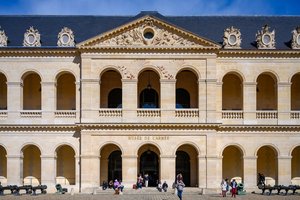 Ministère de la Défense Nationale |
पेरिस | 1 | FRANCOIS CHASSELOUP LAUBAT, GÉNÉRAL DE DIVISION (1754 1833) - फ़्रांसिस चश्शेलोउ ल्युबाट |


Saint Louis Forgiving Pierre de Bretagne (1817), Musée des Beaux-Arts de Quimper, Quimper। इसके बाद Sketch for the church Saint Gervais "Ecce Homo" (1819) और Jean-Nicolas Houchard (1835) आते हैं।
34 वर्ष की आयु: Saint Louis Forgiving Pierre de Bretagne की रचना 1817 की है और Georges Rouget का जन्म 1783 में हुआ था।
Saint Louis Forgiving Pierre de Bretagne, Sketch for the church Saint Gervais "Ecce Homo", Jean-Nicolas Houchard, Jacques-Louis David, Achille Alexandre Alphonse, Viscount de Cailleux (1788-1876), Director of the Musées royaux, The King of Rome in the Tuileries Garden, JEAN PIERRE THENOT (1803 1857), DEBARQUEMENT DE SAINT LOUIS EN EGYPTE.4 JUIN 1249, ALEXANDRE FRANCOIS MARIE, VICOMTE DE BEAUHARNAIS, GENERAL EN CHEF DE L'ARMEE DU RHIN (1760 1794) और FRANCOIS CHRISTOPHE KELLERMAN, GENERAL EN CHEF DE L'ARMEE DE LA MOSELLE EN 1792 (1735 1820)। ऊपर दी गई रैंकिंग में प्रत्येक का वर्ष और संग्रहालय दिया गया है।
हमारे कैटलॉग में Georges Rouget की 39 कृतियाँ सूचीबद्ध हैं, जिनकी अवधि 1817 से 1850 तक है।
उनमें से अधिकांश Opera House (Versailles), लुव्र संग्रहालय (पेरिस) और Musée des Beaux-Arts de Quimper (Quimper) में हैं। ऊपर दी गई तालिका में संग्रहालयों की सूची एक-एक करके दी गई है।
1810s में: इस पृष्ठ पर मौजूद 39 कृतियों में से 2 उस समय की हैं, जिनमें से Saint Louis Forgiving Pierre de Bretagne शामिल हैं।
इस पृष्ठ पर सबसे पुरानी कृति Saint Louis Forgiving Pierre de Bretagne (1817) है, और सबसे नवीनतम The King of Rome in the Tuileries Garden (1850) है।
इस पृष्ठ पर मौजूद 39 कृतियों में से Portrait (4), Dignified (3) और Formal (2)।
Oil On Canvas: इस पृष्ठ पर 39 कृतियों में से 3
जैसा कि इस पृष्ठ पर मौजूद पेंटिंग्स में दिखाया गया है, Neoclassicism।
Achille Alexandre Alphonse, Viscount de Cailleux (1788-1876), Director of the Musées royaux, ALEXANDRE FRANCOIS MARIE, VICOMTE DE BEAUHARNAIS, GENERAL EN CHEF DE L'ARMEE DU RHIN (1760 1794) और VICTOR GUY BARON DUPERRE, MATELOT EN 1792 (1775 1846) इस पृष्ठ पर Opera House, Versailles के पास मौजूद 6 कृतियों में से हैं।
हाँ। इस पृष्ठ पर मौजूद प्रत्येक पेंटिंग को आप अपनी पसंद के आकार में, पेंटिंग के अपने पृष्ठ से, संग्रहालय-गुणवत्ता वाली, हाथ से बनाई गई ऑयल रिप्रोडक्शन या फाइन आर्ट प्रिंट के रूप में ऑर्डर कर सकते हैं।

