

Frederick Morgan को प्रसिद्ध बनाने वाली पेंटिंग Bob Apple है। संग्रहकर्ताओं और संग्रहालय जाने वालों के दिलों में Charity और Yuletide इसके बाद आते हैं। हमारे कैटलॉग में Frederick Morgan की 83 कृतियों में से, ये 83 सबसे अधिक प्रशंसित हैं, जिनमें से प्रत्येक को उनकी तिथि, संग्रहालय और उनकी विशिष्टता के साथ प्रस्तुत किया गया है।
हमारे लोकप्रियता स्कोर के आधार पर रैंक किया गया, जो प्रत्येक कृति के लिए खोज, विज़िट और ऑर्डर को जोड़ता है। अक्टूबर 2026 में अपडेट किया गया। इस पृष्ठ पर मौजूद प्रत्येक उत्कृष्ट कृति को आपके द्वारा चुने गए आकार में, संग्रहालय-गुणवत्ता वाले, हाथ से पेंट किए गए ऑयल रिप्रोडक्शन या फाइन आर्ट प्रिंट के रूप में ऑर्डर किया जा सकता है।


इन उत्कृष्ट कृतियों में सबसे अधिक बार आने वाले चार विषय, और प्रत्येक का सबसे बेहतरीन उदाहरण।
वे 2 संग्रहालय जिनमें इस पृष्ठ की सर्वाधिक पेंटिंग्स मौजूद हैं।
| संग्रहालय | शहर | Frederick Morgan की कृतियाँ | इस सूची की पेंटिंग्स |
|---|---|---|---|
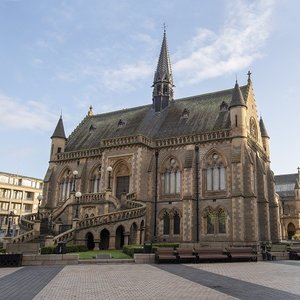 Mcmanus: Dundee's Art Galleries And Museums |
Dundee | 1 | A Modern Eve |
 Sheffield City Art Galleries |
शेफ़ील्ड | 1 | Gleaners |


Bob Apple। इसके बाद Charity और Yuletide का नंबर आता है।
Bob Apple, Charity, Yuletide, a flood, Under a changeful sky, A Modern Eve, Not of the fold, Playmates, Gleaners और Garden of Eden। ऊपर दी गई रैंकिंग में प्रत्येक का वर्ष और संग्रहालय दिया गया है।
हमारे कैटलॉग में Frederick Morgan की 83 कृतियाँ सूचीबद्ध हैं, जिनकी अवधि 1878 से 1905 तक है।
उनमें से अधिकांश Mcmanus: Dundee's Art Galleries And Museums (Dundee) और Sheffield City Art Galleries (शेफ़ील्ड) में हैं। ऊपर दी गई तालिका में संग्रहालयों की सूची एक-एक करके दी गई है।
1880s में: इस पृष्ठ पर मौजूद 83 कृतियों में से 4 उस समय की हैं, जिनमें से A Modern Eve शामिल हैं।
इस पृष्ठ पर सबसे पुरानी कृति Under a changeful sky (1878) है, और सबसे नवीनतम Dainty Fares (1905) है।
इस पृष्ठ पर मौजूद 83 कृतियों में से Victorian era (10), Pastoral scene (7) और Rural life (5)।
जैसा कि इस पृष्ठ पर मौजूद पेंटिंग्स में दिखाया गया है, Contemporary realism और Romanticism।
हाँ। इस पृष्ठ पर मौजूद प्रत्येक पेंटिंग को आप अपनी पसंद के आकार में, पेंटिंग के अपने पृष्ठ से, संग्रहालय-गुणवत्ता वाली, हाथ से बनाई गई ऑयल रिप्रोडक्शन या फाइन आर्ट प्रिंट के रूप में ऑर्डर कर सकते हैं।
Frederick Morgan (1847 – 3 April 1927) wasn't merely a painter; he was a weaver of idyllic scenes, a chronicler of childhood innocence captured with an almost heartbreaking tenderness. Born in London amidst the bustle of Victorian England, his artistic journey began not through formal training but through the tutelage of his father, John Morgan – a genre artist himself – who instilled within him a profound appreciation for observing and depicting everyday life. This formative influence shaped Morgan’s distinctive style: a delicate balance between realism and romanticism, where the mundane transformed into moments of quiet beauty.
Morgan's early years were marked by a shift from his father’s guidance to a period of self-discovery. Following a brief stint in various London trades after his father’s advice, he returned to art, honing his skills through portrait commissions that unexpectedly provided invaluable experience. These portraits demanded meticulous attention to detail and an understanding of human expression – skills that would later inform his genre paintings. It was during this time that Morgan developed a keen eye for capturing the nuances of emotion and the subtle gestures that defined character, elements he skillfully translated into his celebrated depictions of children.
A pivotal period in Morgan’s career unfolded in the village of Shere, nestled near Guildford in Surrey. This picturesque location became a sanctuary—a place where he could dedicate himself entirely to painting scenes of rural life and, most notably, children at play. The light in Shere was particularly conducive to his artistic vision; it bathed the landscapes in a soft, golden glow that perfectly complemented his palette of muted colors and delicate brushstrokes. He established a studio there, creating a space where he could immerse himself in the rhythms of rural life, observing families, children, and animals with an almost reverent gaze.
During this period, Morgan’s output flourished, producing some of his most beloved works – *The Doll’s Tea Party*, *Emigrants' Departure*, and *School Belles* among them. These paintings weren’t simply representations of scenes; they were imbued with a palpable sense of warmth, nostalgia, and quiet joy. He captured the fleeting moments of childhood—a shared game, a stolen glance, a simple pleasure—with an extraordinary sensitivity that resonated deeply with audiences. The patronage of Thomas Agnew & Sons further solidified his success, ensuring that his paintings reached a wide audience through widespread reproduction.
Morgan’s artistic style was profoundly influenced by the prevailing trends of Victorian England, particularly the popularity of genre painting. However, he possessed a unique sensibility that set him apart from his contemporaries. He drew inspiration from artists like Arthur John Elsley, whose own depictions of children shared a similar emphasis on sentimentality and idyllic beauty. Yet, Morgan’s work retained its own distinct character—a subtle melancholy beneath the surface of happiness, a quiet awareness of the transience of childhood.
His technique was characterized by meticulous detail, soft brushstrokes, and a masterful use of light and shadow. He employed a limited palette of muted colors – browns, greens, blues, and yellows—to create a sense of atmosphere and to evoke the feeling of a bygone era. Notably, Morgan often sought assistance from artists like Arthur John Elsley or Allen Sealey when depicting challenging subjects such as animals or pets, recognizing the importance of accurate representation in capturing the essence of his scenes.
Frederick Morgan’s paintings achieved remarkable popularity during his lifetime, enjoying widespread publication and exhibition. His works are now housed in prestigious collections around the world, including the Walker Art Gallery in Liverpool and the Russell-Cotes Museum in Bournemouth. His legacy as one of the most celebrated genre painters of the Victorian era endures, not only for his technical skill but also for his ability to capture the enduring beauty and innocence of childhood—a timeless theme that continues to resonate with viewers today.
Morgan’s impact extends beyond his artistic achievements. He represents a significant chapter in the history of British art, demonstrating how artists can find inspiration in everyday life and transform it into works of lasting value. His paintings serve as a poignant reminder of a simpler time—a time when childhood was viewed with such reverence and wonder.