şekerzade mehmed efendi, a renowned ottoman calligrapher, was born in istanbul in 1687. his life's work is a testament to the enduring beauty of islamic art and the significant role he played in shaping the ottoman empire's artistic landscape.
early life and education
mehmed efendi received his education in calligraphy from the esteemed hafız osman, a celebrated calligrapher of his time. this mentorship not only honed mehmed's skills but also instilled in him an appreciation for the intricate nuances of ottoman calligraphy.
artistic style and contributions
mehmed efendi was particularly adept in the naskh and thuluth styles, which were highly regarded during the ottoman period. his prolific output includes numerous works of art, each showcasing his mastery of these styles.
mehmed efendi's work was not limited to calligraphy alone; he also created other forms of art, demonstrating his versatility as an artist.
his appointment as the head calligrapher of the ottoman court is a testament to his expertise and influence in the field.
mehmed efendi's work can be found in various museums, including the sakıp sabancı museum in istanbul, which houses several of his notable pieces.
legacy and influence
mehmed efendi passed away in 1751, but his legacy endures. his contributions to ottoman calligraphy have been immortalized through the numerous pieces he created during his lifetime.
view mehmed efendi's artwork on WahooArt.com, where you can also find other notable ottoman artists.
şekerzade mehmed efendi's life and work are a fascinating chapter in the history of ottoman art. through his masterful calligraphy, he has left an indelible mark on turkish art, inspiring generations to come.
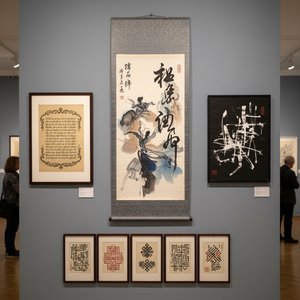
Embark on a profound journey through the soul of Chinese calligraphy. Explore the historical mastery of ink, brush, and script, from ancient Zhuanshu to elegant running script, and discover how this timeless art form reflects the enduring spirit of classical East Asian aesthetics.
Explore the profound beauty of calligraphy art. From the fluid running script of Chinese masters to historical ink masterpieces, discover how the elegance of line transforms spaces with timeless grace and scholarly sophistication.