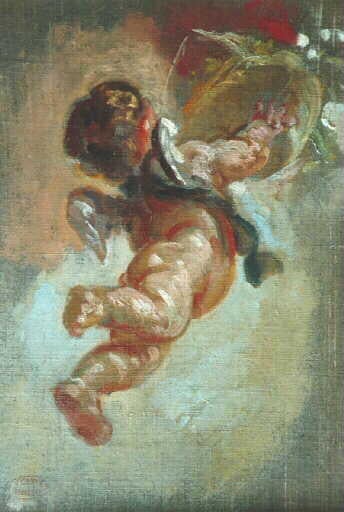
लियोन रिसनेर, 1808 – 1878

लियोन रिसनेर की पेंटिंग्स: 17 सबसे प्रसिद्ध कृतियाँ, रैंकिंग के अनुसार

लियोन रिसनेर की सबसे प्रसिद्ध पेंटिंग Petite île है। La Bacchante (1836) और Sketch for the Church of Saint-Eustache: Christ on the Cross - Christ Carrying His Cross (1854) के साथ, यह उन तीन कृतियों को पूरा करता है जिन्हें हर कोई पहचानता है। हमारे कैटलॉग में लियोन रिसनेर की 17 कृतियाँ सूचीबद्ध हैं; नीचे दी गई 17 कृतियाँ वे हैं जिन्हें दुनिया सबसे अधिक देखती है, जिनमें से प्रत्येक का वर्ष, उसे रखने वाला संग्रहालय और उसका महत्व दिया गया है।

हमारे लोकप्रियता स्कोर के आधार पर रैंक किया गया, जो प्रत्येक कृति के लिए खोज, विज़िट और ऑर्डर को जोड़ता है। नवमबर 2026 में अपडेट किया गया। इस पृष्ठ पर मौजूद प्रत्येक उत्कृष्ट कृति को आपके द्वारा चुने गए आकार में, संग्रहालय-गुणवत्ता वाले, हाथ से पेंट किए गए ऑयल रिप्रोडक्शन या फाइन आर्ट प्रिंट के रूप में ऑर्डर किया जा सकता है।

लियोन रिसनेर का चित्र
लियोन रिसनेर · 1808 – 1878
जन्म · मृत्यु
1808 – 1878, पेरिस
हमारी सूची में उपलब्ध कृतियाँ
17
सबसे प्रसिद्ध
Petite île
सर्वाधिक कृतियाँ यहाँ हैं
Petit Palais

लियोन रिसनेर की 10 सबसे प्रसिद्ध पेंटिंग्स

Petite île द्वारा लियोन रिसनेर
1

Petite île

Oil

In Petite île, Léon Riesener captures a solitary fragment of nature emerging from the stillness. A small landmass, or island, rises from the water, its form defined by a dense cluster of trees and tangled foliage. This central mass of greenery anchors the scene, standing as a quiet refuge amidst the surrounding elements. The island is not a grand continent but a modest, singular presence in a world of soft…

हाथ से निर्मित ऑयल पेंटिंग रिप्रोडक्शन, शुरूआती कीमत $181 27 × 37 cm
La Bacchante (1836) द्वारा लियोन रिसनेर
2

La Bacchante

1836 · Oil On Canvas · Rhode Island School of Design Museum of Art, Providence

In La Bacchante, Léon Riesener explores the ecstatic realms of Bacchic mythology. The painting presents a nude figure reclining within a lush, untamed landscape, a setting that suggests the wildness of a primordial forest. This central figure is intertwined with the natural world, embodying themes of fertility and sensuality through her graceful, languid pose. It is a quiet encounter with the divine, where the boundaries between human form and the…

हाथ से निर्मित ऑयल पेंटिंग रिप्रोडक्शन, शुरूआती कीमत $206 34 × 29 cm मूल कृति के समान आकार में $587 127 × 107 cm मूल आकार में ऑर्डर करें →
Sketch for the Church of Saint-Eustache: Christ on the Cross - Christ Carrying His Cross (1854) द्वारा लियोन रिसनेर
3

Sketch for the Church of Saint-Eustache: Christ on the Cross - Christ Carrying His Cross

1854 · Oil · Petit Palais, पेरिस

This work, titled Sketch for the Church of Saint-Eustache: Christ on the Cross - Christ Carrying His Cross, is a significant preparatory study by the French painter Léon Riesener. Created about 1854, the piece represents a moment of intense creative planning. It was conceived as a study for a larger church altarpiece, capturing the preliminary vision for a sacred installation.

हाथ से निर्मित ऑयल पेंटिंग रिप्रोडक्शन, शुरूआती कीमत $406 18 × 56 cm मूल कृति के समान आकार में $464 29 × 100 cm मूल आकार में ऑर्डर करें →
Sketch for the church Saint-Eustache: The Rest During the Flight into Egypt - The Presentation in the Temple (1854) द्वारा लियोन रिसनेर
4

Sketch for the church Saint-Eustache: The Rest During the Flight into Egypt - The Presentation in the Temple

1854 · Watercolor · Petit Palais, पेरिस

The artwork titled Sketch for the church Saint-Eustache: The Rest During the Flight into Egypt - The Presentation in the Temple is a religious study by the French painter Léon Riesener. This specific piece was created about 1854. It was designed as a preparatory work for the Église Saint-Eustache in Paris, specifically intended for the Chapelle de la Compassion.

हाथ से निर्मित ऑयल पेंटिंग रिप्रोडक्शन, शुरूआती कीमत $456 19 × 53 cm मूल कृति के समान आकार में $516 30 × 100 cm मूल आकार में ऑर्डर करें →
Sketch for the Provosts' Room of the Hôtel de Ville de Paris: Allegory of December 2, 1852 (1852) द्वारा लियोन रिसनेर
5

Sketch for the Provosts' Room of the Hôtel de Ville de Paris: Allegory of December 2, 1852

1852 · Wash · Petit Palais, पेरिस

We are looking at a significant preparatory study titled Sketch for the Provosts' Room of the Hôtel de Ville de Paris: Allegory of December 2, 1852. This work was executed by Léon Riesener in 1852. It represents a moment of intense creative planning, capturing the initial vision for a much larger decorative scheme. The piece functions as a preparatory sketch intended for a large-scale allegorical ceiling painting.

हाथ से निर्मित ऑयल पेंटिंग रिप्रोडक्शन, शुरूआती कीमत $456 35 × 29 cm मूल कृति के समान आकार में $500 58 × 42 cm मूल आकार में ऑर्डर करें →
BACCHANTE द्वारा लियोन रिसनेर
6

BACCHANTE

Oil On Canvas · लुव्र संग्रहालय, पेरिस

In the lush, untamed heart of a primordial forest, Léon Riesener’s BACCHANTE unfolds as a breathtaking encounter with the divine and the sensual. The painting presents a reclining nude figure, her form draped in a state of graceful languor, intertwined seamlessly with the verdant textures of the natural world. This is not merely a portrait of a woman, but an invitation into the ecstatic realm of Dionysus. Accompanied by the…

हाथ से निर्मित ऑयल पेंटिंग रिप्रोडक्शन, शुरूआती कीमत $181 35 × 29 cm
Landscape and clouds (1850) द्वारा लियोन रिसनेर
7

Landscape and clouds

1850 · Oil On Canvas

In Landscape and clouds, Léon Riesener establishes a composition defined by a clear horizontal division. The sky occupies approximately two-thirds of the canvas, asserting a sense of vastness that dominates the viewer's field of vision. This expansive celestial space is rendered in a palette of blues, whites, and greys, suggesting a day where light breaks through a heavy, moving atmosphere. Below this dramatic sky, the landscape unfolds in a serene…

हाथ से निर्मित ऑयल पेंटिंग रिप्रोडक्शन, शुरूआती कीमत $181 40 × 25 cm मूल कृति के समान आकार में $225 62 × 39 cm मूल आकार में ऑर्डर करें →

लियोन रिसनेर, पेंटिंग्स 11 से 17 तक

paisaje grande cielo द्वारा लियोन रिसनेर
#17

paisaje grande cielo

लुव्र संग्रहालय

PAYSAGE, GRAND CIEL: एक रोमांटिक उत्कृष्ट कृति का विश्लेषण लéon Riesener द्वारा बनाई गई इस पेंटिंग ‘Paysage, Grand Ciel’ ( paisaje grande cielo) को कला इतिहास के एक…

एक हाथ से पेंट की गई प्रति (copy) बनवाने के लिए ऑर्डर दें से शुरू $181 →

लियोन रिसनेर द्वारा चित्रित सबसे प्रमुख विषय

इन उत्कृष्ट कृतियों में सबसे अधिक बार आने वाले चार विषय, और प्रत्येक का सबसे बेहतरीन उदाहरण।

लियोन रिसनेर की पेंटिंग्स कहाँ देखें

वे 3 संग्रहालय जिनमें इस पृष्ठ की सर्वाधिक पेंटिंग्स मौजूद हैं।

संग्रहालय शहर लियोन रिसनेर की कृतियाँ इस सूची की पेंटिंग्स
Petit Palais, पेरिसPetit Palais पेरिस 3 Sketch for the Church of Saint-Eustache: Christ on the Cross - Christ Carrying His Cross, Sketch for the church Saint-Eustache: The Rest During the Flight into Egypt - The Presentation in the Temple, Sketch for the Provosts' Room of the Hôtel de Ville de Paris: Allegory of December 2, 1852
लुव्र संग्रहालय, पेरिसलुव्र संग्रहालय पेरिस 3 BACCHANTE, ANGELIQUE, paisaje grande cielo
Rhode Island School of Design Museum of Art, ProvidenceRhode Island School of Design Museum of Art Providence 1 La Bacchante

लियोन रिसनेर की सबसे प्रसिद्ध पेंटिंग्स, वर्ष दर वर्ष

लियोन रिसनेर के 19 वर्षों का कार्य, 1836 से 1854 तक, वर्ष दर वर्ष: प्रत्येक वर्ष की सबसे प्रसिद्ध पेंटिंग्स, क्रम के अनुसार।

  1. 1836
    La Bacchante (1836) द्वारा लियोन रिसनेर
    17 में से संख्या 2

    La Bacchante

    आयु 28 · Rhode Island School of Design Museum of Art

    In La Bacchante, Léon Riesener explores the ecstatic realms of Bacchic mythology. The painting presents a nude figure reclining within a lush, untamed landscape, a setting that suggests…

  2. 1850
    Landscape and clouds (1850) द्वारा लियोन रिसनेर
    17 में से संख्या 7

    Landscape and clouds

    आयु 42

    In Landscape and clouds, Léon Riesener establishes a composition defined by a clear horizontal division. The sky occupies approximately two-thirds of the canvas, asserting a sense of vastness…

  3. 1852
  4. 1854
  5. 1854

लियोन रिसनेर की पेंटिंग्स के बारे में प्रश्न

लियोन रिसनेर की सबसे प्रसिद्ध पेंटिंग कौन सी है?उत्तर दिखाएं

Petite île। इसके बाद La Bacchante (1836) और Sketch for the Church of Saint-Eustache: Christ on the Cross - Christ Carrying His Cross (1854) का नंबर आता है।

लियोन रिसनेर की शीर्ष 10 पेंटिंग कौन सी हैं?उत्तर दिखाएं

Petite île, La Bacchante, Sketch for the Church of Saint-Eustache: Christ on the Cross - Christ Carrying His Cross, Sketch for the church Saint-Eustache: The Rest During the Flight into Egypt - The Presentation in the Temple, Sketch for the Provosts' Room of the Hôtel de Ville de Paris: Allegory of December 2, 1852, BACCHANTE, Landscape and clouds, Amour, Portrait de petite fille (titre par défaut) और Le petit pâtre। ऊपर दी गई रैंकिंग में प्रत्येक का वर्ष और संग्रहालय दिया गया है।

लियोन रिसनेर ने कितनी पेंटिंग बनाईं?उत्तर दिखाएं

हमारे कैटलॉग में लियोन रिसनेर की 17 कृतियाँ सूचीबद्ध हैं, जिनकी अवधि 1836 से 1854 तक है।

लियोन रिसनेर की सबसे प्रसिद्ध पेंटिंग्स कहाँ हैं?उत्तर दिखाएं

उनमें से अधिकांश Petit Palais (पेरिस), लुव्र संग्रहालय (पेरिस) और Rhode Island School of Design Museum of Art (Providence) में हैं। ऊपर दी गई तालिका में संग्रहालयों की सूची एक-एक करके दी गई है।

लियोन रिसनेर ने अपनी सबसे प्रसिद्ध कृतियाँ कब बनाई थीं?उत्तर दिखाएं

1854 में: इस पृष्ठ पर मौजूद 17 कृतियों में से 2 उस समय की हैं, जिनमें से Sketch for the Church of Saint-Eustache: Christ on the Cross - Christ Carrying His Cross शामिल हैं।

लियोन रिसनेर की सबसे शुरुआती और सबसे नवीनतम प्रसिद्ध पेंटिंग्स कौन सी हैं?उत्तर दिखाएं

इस पृष्ठ पर सबसे पुरानी कृति La Bacchante (1836) है, और सबसे नवीनतम Sketch for the Church of Saint-Eustache: Christ on the Cross - Christ Carrying His Cross (1854) है।

लियोन रिसनेर ने सबसे अधिक बार क्या चित्रित किया?उत्तर दिखाएं

इस पृष्ठ पर मौजूद 17 कृतियों में से Landscape (5), Trees (4) और Clouds (4)।

लियोन रिसनेर ने किस माध्यम का सबसे अधिक उपयोग किया?उत्तर दिखाएं

Oil On Canvas: इस पृष्ठ पर 17 कृतियों में से 4

मैं Petit Palais में किस लियोन रिसनेर की पेंटिंग्स देख सकता हूँ?उत्तर दिखाएं

Sketch for the Church of Saint-Eustache: Christ on the Cross - Christ Carrying His Cross, Sketch for the church Saint-Eustache: The Rest During the Flight into Egypt - The Presentation in the Temple और Sketch for the Provosts' Room of the Hôtel de Ville de Paris: Allegory of December 2, 1852 इस पृष्ठ पर Petit Palais, पेरिस के पास मौजूद 3 कृतियों में से हैं।

क्या मैं लियोन रिसनेर की पेंटिंग की पुनरुत्पादन (reproduction) खरीद सकता हूँ?उत्तर दिखाएं

हाँ। इस पृष्ठ पर मौजूद प्रत्येक पेंटिंग को आप अपनी पसंद के आकार में, पेंटिंग के अपने पृष्ठ से, संग्रहालय-गुणवत्ता वाली, हाथ से बनाई गई ऑयल रिप्रोडक्शन या फाइन आर्ट प्रिंट के रूप में ऑर्डर कर सकते हैं।

लियोन रिसनेर के बारे में

Léon Riesener: A Pioneer of Romantic Color

Léon Riesener (1808 – 1878) stands as a singular figure in the burgeoning landscape of French Romantic painting, recognized not merely for his artistic output but also for his groundbreaking exploration into the science of color and his unwavering dedication to capturing the essence of nature with unprecedented vibrancy. Born into an artistic lineage—his father, Henri-François Riesener, was himself a painter—Léon’s formative years instilled in him a profound appreciation for visual artistry and propelled him toward mastering the craft from a young age. His early training under Antoine-Jean Gros solidified his understanding of studio practice and established a foundation for his future endeavors.
  • Early Influences: Riesener's artistic journey commenced with a meticulous study of tonal divisions, predating Chevreul’s scientific breakthrough into color theory by several decades. This intellectual curiosity fueled his pursuit of perfection in artistic expression, particularly concerning the depiction of skin texture—a testament to his tactile sensitivity and desire to convey realism.
  • Rubensian Reverie: Riesener harbored an ardent admiration for Rubens, whom he considered “the Shakespeare of painting,” recognizing his masterful ability to infuse emotion into visual narratives. This influence profoundly shaped Riesener’s artistic sensibilities, guiding him toward a style characterized by dramatic lighting and expressive modeling.
  • Scientific Exploration & Artistic Technique: Driven by scientific rigor, Riesener investigated the principles of color mixing and pigment dispersion—techniques that would later become integral to Impressionist painters like Monet and Renoir. He meticulously analyzed the works of Titian, Veronese, and Correggio, absorbing their compositional strategies and mastering their masterful use of color palettes.

The Pursuit of Authentic Representation

Riesener’s artistic vision centered on conveying “the heat of the day, the melancholy of the evening,” mirroring his fascination with capturing the subtleties of natural phenomena. Unlike many of his contemporaries who adhered to academic conventions—primarily focusing on idealized forms and muted tones—Riesener championed a bold approach characterized by pure colors and contrasting hues. He deliberately eschewed blacks and whites for shading, prioritizing visual impact over strict adherence to traditional methods. This revolutionary technique reflected his belief that art should strive for an honest portrayal of reality, mirroring the spirit of Impressionism.
  • Breaking Tradition: Riesener’s refusal to employ conventional contours—instead favoring shadows and modeling—represented a decisive departure from artistic dogma. He sought to emulate Rubens's expressive style, prioritizing emotional resonance over precise anatomical accuracy.
  • Salon Resistance & Artistic Integrity: Riesener faced considerable opposition from Salon juries and the Institut de France during his lifetime, who deemed his experimental methods unacceptable. Despite these challenges, he remained steadfast in his commitment to artistic integrity, pursuing his vision with unwavering determination.

Notable Works & Legacy

Riesener’s oeuvre encompasses a diverse range of landscapes and genre scenes—particularly portraits imbued with psychological depth—demonstrating his versatility as an artist. Among his most celebrated paintings are “Fountain,” “Venus et Amour,” and “Léda”—each piece exemplifies his masterful blending of color and light, capturing the beauty of nature and exploring profound emotional themes. His work anticipates many developments in Impressionist painting, establishing him as a pivotal precursor to this influential artistic movement. Riesener’s enduring legacy resides not only in his individual artworks but also in his pioneering contribution to the advancement of color theory and his unwavering advocacy for authentic representation—a testament to his singular vision and lasting impact on art history.

Further Exploration

You can find more information about Léon Riesener’s artistic achievements at The Art Institute of Chicago. Also, delve into Eugène Delacroix's portrayal of Riesener in “Léon Riesener (1808–1878)” on the Metropolitan Museum of Art’s website: The Metropolitan Museum of Art.