कला और शिक्षा के प्रति समर्पित एक जीवन
आर्थर वेस्ले डॉ, जिनका जन्म 1857 में इप्सविच, मैसाचुसेट्स में हुआ था, अमेरिकी कला के विकास में एक अत्यंत महत्वपूर्ण व्यक्तित्व के रूप में प्रतिष्ठित हैं। वे केवल एक चित्रकार या प्रिंटमेकर ही नहीं थे, बल्कि एक ऐसे दूरदर्शी शिक्षक भी थे जिन्होंने कला सिखाने और उसे देखने के नजरिए को पूरी तरह से बदल दिया। उनकी कलात्मक यात्रा अन्ना के. फ्रीलैंड और जेम्स एम. स्टोन के मार्गदर्शन में बुनियादी प्रशिक्षण के साथ शुरू हुई, जिसके बाद 1ता84 में वे पेरिस चले गए। वहाँ उन्होंने एकेडेमी जूलियन में अकादमिक अध्ययन में खुद को डुबो दिया और गुस्ताव बाउलेंजर तथा जूलस जोसेफ लेफेब्रे जैसे दिग्गजों के साथ अपने कौशल को निखारा। विदेश में बिताए इन प्रारंभिक वर्षों के दौरान भी, डॉ ने एक व्यावहारिक बहुमुखी प्रतिभा का प्रदर्शन किया, जहाँ उन्होंने पोस्टर और व्यावसायिक डिजाइनों के लिए काम स्वीकार किया—जो दृश्य संचार की उनकी गहरी समझ का एक शुरुआती संकेत था। हालाँकि, जब वे अमेरिका लौटे, तब उनकी कलात्मक विचारधारा वास्तव में स्पष्ट होने लगी, जो उस समय के पारंपरिक अकादमिक मानदंडों से अलग और क्रांतिकारी थी।पूर्व और पश्चिम का संगम
डॉ की सबसे स्थायी विरासत कला शिक्षा के प्रति उनके क्रांतिकारी दृष्टिकोण में निहित है, जिसका जन्म रटंत नकल के प्रति असंतोष और वैकल्पिक सौंदर्य सिद्धांतों के प्रति बढ़ते आकर्षण से हुआ था। उनका मानना था कि सच्ची कलात्मकता प्रकृति की सूक्ष्मता से नकल करने में नहीं, बल्कि उसकी अंतर्निहित संरचना को समझने और उसे सावधानीपूर्वक सोचे गए संयोजन (composition) के माध्यम से व्यक्त करने में है। यह विश्वास जापानी कला—विशेष रूप से *उकियो-ए* वुडब्लॉक प्रिंट्स—के साथ उनके मिलन से गहराई से प्रभावित हुआ, जो बोस्टन के म्यूजियम ऑफ फाइन आर्ट्स के जापानी कला क्यूरेटर अर्नेस्ट फेनोलोसा के साथ उनके संबंधों के कारण संभव हो पाया। फेनोलोसा ने संगीत की लय की तरह कला के एक संश्लेषित दृष्टिकोण का समर्थन किया, और साथ मिलकर उन्होंने रेखा, द्रव्यमान (mass) और रंग के सचेत संयोजन के माध्यम से रचनाएँ बनाने के लिए अभ्यास विकसित किए। डॉ केवल जापानी सौंदर्यशास्त्र को उधार नहीं ले रहे थे; वे पूर्वी सिद्धांतों और पश्चिमी कलात्मक अभिव्यक्ति के बीच एक मौलिक संश्लेषण की तलाश में थे। यह खोज 1899 में प्रकाशित उनके महत्वपूर्ण कार्य, कंपोजिशन: ए सीरीज ऑफ एक्सरसाइज इन आर्ट स्ट्रक्चर में परिणत हुई। यह पुस्तक कला शिक्षा का आधार बन गई, जिसने अंधाधुंध नकल के बजाय तत्वों के सामंजस्यपूर्ण संयोजन को प्राथमिकता देने वाले व्यवस्थित दृष्टिकोण की वकालत की।एक शिक्षक का प्रभाव
डॉ का प्रभाव उनकी प्रभावशाली पुस्तक के पन्नों से कहीं आगे तक फैला हुआ था। उन्होंने कई प्रतिष्ठित संस्थानों में शिक्षण के प्रति खुद को समर्पित किया, जिससे कलाकारों की पीढ़ियों पर एक अमिट छाप छोड़ी। प्रैट इंस्टीट्यूट (1896-1903), आर्ट स्टूडेंट्स लीग (1898-1903) और कोलंबिया यूनिवर्सिटी टीचर्स कॉलेज (1904-1922) में उनके कार्यकाल ने उनके अभिनव तरीकों को प्रसारित करने के लिए मंच प्रदान किया। शायद सबसे महत्वपूर्ण था 1900 में इप्सविच समर स्कूल ऑफ आर्ट की स्थापना, जिसका निर्देशन उन्होंने मृत्यु तक किया। यह संस्थान प्रयोगों के लिए एक आश्रय स्थल और नई कलात्मक आवाजों के पनपने का केंद्र बन गया। उनके कई उल्लेखनीय छात्रों में जॉर्जिया ओ'कीफ़, चार्ल्स शीलर और ओवरबेक बहनें जैसे दिग्गज शामिल थे—वे कलाकार जिन्होंने आगे चलकर अमेरिकी आधुनिकतावाद की दिशा तय की। डॉ केवल तकनीक नहीं सिखा रहे थे; वे एक ऐसी मानसिकता को बढ़ावा दे रहे थे जो व्यक्तिगत अभिव्यक्ति और संरचनात्मक अखंडता को महत्व देती थी। उन्होंने 'आर्ट्स एंड क्राफ्ट्स' आंदोलन के आदर्शों का समर्थन किया, बड़े पैमाने पर उत्पादित वस्तुओं के बजाय हस्तनिर्मित वस्तुओं की वकालत की, और कलात्मक कौशल एवं विचारशील डिजाइन के अंतर्निहित मूल्य में विश्वास किया।सामंजस्यपूर्ण परिदृश्य और विरासत
डॉ की अपनी कलाकृतियाँ, जो अक्सर उनके मूल इप्सविच और बाद में कैलिफोर्निया की शांत सुंदरता को दर्शाने वाले परिदृश्य हैं, उन्हीं सिद्धांतों को साकार करती हैं जिनका उन्होंने समर्थन किया था। ए जून मॉर्निंग जैसी पेंटिंग्स, अपने जीवंत रंगों और बनावटपूर्ण इम्पैस्टो के साथ, और पैसिफिक ग्रोव, कैलिफोर्निया, सामंजस्यपूर्ण रचनाएँ बनाने के लिए रेखा, द्रव्यमान और रंग के उनके कुशल उपयोग को प्रदर्शित करती हैं। उनका कार्य फोटोग्राफिक यथार्थवाद के बारे में नहीं है; यह सावधानीपूर्वक किए गए सौंदर्य संबंधी विकल्पों के माध्यम से किसी स्थान के *सार* को पकड़ने के बारे में है। उन्होंने अक्सर वुडकट तकनीकों का उपयोग किया, जिससे डिजाइन और सरलीकरण के महत्व पर और अधिक जोर दिया गया। डॉ का ऐतिहासिक महत्व पूर्वी और पश्चिमी कला परंपराओं को जोड़ने की उनकी क्षमता में निहित है, जिसने उस आधुनिकतावादी संश्लेषण का पूर्वानुमान लगाया जो 20वीं सदी की कला को परिभाषित करने वाला था। 1922 में न्यूयॉर्क शहर में उनका निधन हो गया, लेकिन वे अपने पीछे न केवल एक accomplished कलाकार के रूप में बल्कि एक परिवर्तनकारी शिक्षक के रूप में एक विरासत छोड़ गए, जिन्होंने अनगिनत अन्य लोगों को कला को एक नए प्रकाश में देखने और बनाने के लिए सशक्त बनाया। उनका प्रभाव आज भी गूँजता है, जो हमें याद दिलाता है कि सच्ची कलात्मकता नकल में नहीं, बल्कि मौलिक तत्वों के विचारशील संयोजन में निहित है।प्रश्न और उत्तर
मैं आर्थर वेस्ले डॉ द्वारा बनाई गई सभी कलाकृतियाँ कैसे देख सकता हूँ?
इस वेबसाइट पर पर आर्थर वेस्ले डॉ की प्रत्येक कृति को कलाकार के सभी कलाकृतियाँ पेज पर देख सकते हैं।
क्या आर्थर वेस्ले डॉ की कलाकृतियों का कोई 3D वर्चुअल टूर उपलब्ध है?
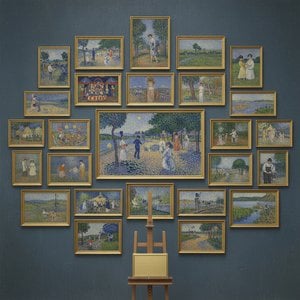
आर्थर वेस्ले डॉ का 3D गैलरी एक ऐसा पेज है जो कलाकार की कलाकृतियों को एक वर्चुअल थ्री-डायमेंशनल गैलरी में प्रदर्शित करता है।
क्या मैं माध्यम के आधार पर आर्थर वेस्ले डॉ की कलाकृतियों को देख सकता हूँ?
आर्थर वेस्ले डॉ की कलाकृतियों को माध्यम के आधार पर उनके सभी माध्यमों के अनुसार पेज पर देखा जा सकता है।