


 Oil On CanvasWallArtExpressionist Style
 1909Modern
 81.0 x 65.0 cm
आपके आकार और फ्रेम के अनुसार कैनवास पर हाथ से बनी ऑयल पेंटिंग, हमारे कलाकारों द्वारा विशेष रूप से ऑर्डर पर तैयार। ( प्रिंट खरीदें छवि खरीदें)





























कलाकृति के मूल अनुपात से मेल खाने वाले हमारे पूर्व निर्धारित आकारों में से चुनें।

आप किसी विशिष्ट फ्रेम या स्थान के अनुसार अपने स्वयं के आयाम (dimensions) दर्ज कर सकते हैं। यदि आपके द्वारा चुना गया आकार मूल छवि के अनुपात से मेल नहीं खाता है, तो हम कलाकृति को क्रॉप करेंगे या पेंटिंग में अतिरिक्त हाथ से चित्रित तत्व जोड़कर उसका विस्तार करेंगे। उत्पादन शुरू होने से पहले आपकी स्वीकृति के लिए एक डिजिटल मॉकअप भेजा जाएगा।
कृपया ध्यान दें कि स्क्रीन पर दिखने वाला पूर्वावलोकन वास्तविक क्रॉपिंग या विस्तार को नहीं दर्शाता है। केवल मॉकअप ही अंतिम रचना को सटीक रूप से दिखाएगा।
यद्यपि कस्टम आकार उपलब्ध हैं, फिर भी हम मूल अनुपात बनाए रखने के लिए पूर्व-निर्धारित सूची से आयाम चुनने की सलाह देते हैं।
विश्वव्यापी वितरण () मानक 5 सप्ताह के बजाय मात्र 3/4 सप्ताह में। (7 सितमबर)। गुणवत्ता से कोई समझौता नहीं।


Portrait of Jean Alexandre
प्रतिकृति का आकार
In the quiet, shadowed corners of early 20th-century Paris, Amedeo Clemente Modigliani captured more than just faces; he captured the very essence of human vulnerability. His 1909 masterpiece, Portrait of Jean Alexandre, serves as a profound window into this era of intense psychological exploration. The painting does not merely present a likeness of a man; it invites the viewer into a shared moment of deep, introspective stillness. As we gaze upon the sitter, we find ourselves drawn into his silent dialogue with himself, a state of contemplation that feels as intimate today as it did over a century ago. This is not a portrait designed for vanity, but rather an exploration of the inner landscape, where every line and shadow whispers of a life lived with profound sensitivity.
The subject, Jean Alexandre, was more than just a model; he was a friend and art dealer who provided vital support to Modigliani during his most turbulent years. This personal connection breathes an undeniable warmth and authenticity into the work. Through the deliberate elongation of the face—a signature hallmark of Modigliani’s burgeoning style—the artist transcends traditional realism. By subtly warping the features, he moves away from the literal and toward the emotional, utilizing a proto-cubist influence to sculpt a form that feels both ethereal and grounded. The result is a captivating visual tension that keeps the eye moving, searching for meaning within the distorted elegance of the sitter's expression.
Technically, Portrait of Jean Alexandre is a triumph of restraint and deliberate execution. Modigliani eschewed the vibrant, often overwhelming palettes of his contemporaries in favor of a more somber, atmospheric arrangement. The canvas is dominated by a sophisticated harmony of earth tones—deep browns, warm ochres, and muted shadows—which work together to create an aura of quiet dignity. This reduced color palette serves a higher purpose: it strips away the distractions of the external world, forcing the viewer to focus entirely on the psychological weight of the subject's gaze.
Upon closer inspection, the surface of the painting reveals a remarkable tactile quality. Modigliani employed a meticulous layering of oil paint, creating a texture that is simultaneously smooth and subtly uneven. This technique allows light to interact with the canvas in complex ways, imbuing the skin tones with a lifelike, almost breathing quality. For the discerning collector or interior designer, this textural richness makes the piece an extraordinary focal point. It possesses a sculptural presence that commands attention, offering a sophisticated depth that complements both classical and modern living spaces.
To possess a reproduction of this work is to bring a piece of art history’s most romanticized era into one's own environment. Modigliani’s life, marked by both immense talent and tragic hardship, is etched into every brushstroke of this portrait. The painting stands as a testament to the Expressionist movement's ability to prioritize feeling over fact, making it a timeless piece that resonates with anyone who appreciates the beauty found in melancholy and reflection.
Whether placed in a curated gallery setting or used to add a layer of intellectual depth to a contemporary study, Portrait of Jean Alexandre offers an unparalleled emotional resonance. It is a work that does not shout for attention but rather waits patiently to be discovered, rewarding the observant viewer with its quiet, haunting grace. For those seeking to decorate with intention, this artwork provides a foundation of elegance, history, and profound human connection.

इटली के लिवोर्नो शहर में जन्मे अमेदो मोडीलियानी, बीसवीं सदी के शुरुआती दौर के सबसे प्रिय और दुखद कलाकारों में से एक हैं। उनका जीवन गहन कलात्मक दृष्टि और निरंतर कठिनाइयों से चिह्नित था। उनके चित्रों में एक अजीब सी उदासी और शाश्वत सौंदर्य का भाव है जो दर्शकों को मंत्रमुग्ध कर देता है। मोडीलियानी का बचपन बीमारीयों से घिरा रहा, जिससे शायद उन्हें मानवीय fragility के प्रति संवेदनशीलता मिली जो उनकी कला में गहराई से झलकती है। परिवार की आर्थिक स्थिति बिगड़ने के बावजूद, उनके माता-पिता और दादा ने उन्हें नीत्शे, बाउडलायर और लोट्रेमोन्ट जैसे लेखकों से परिचित कराया, जिसने उन्हें पारंपरिक मानदंडों को अस्वीकार करने वाली एक कलात्मक संवेदनशीलता विकसित करने में मदद की।
1906 में, मोडीलियानी ने पेरिस जाने का फैसला किया, जो उस समय कलात्मक नवाचार का केंद्र था। उन्होंने पाब्लो पिकासो और कॉन्स्टेंटिन ब्रान्कुसी जैसे महान कलाकारों से मुलाकात की, जिन्होंने उनकी कलात्मक दिशा को गहराई से प्रभावित किया। शुरुआत में क्यूबिज्म के प्रति आकर्षित होने के बाद, मोडीलियानी ने महसूस किया कि इसकी कठोर ज्यामिति उनकी भावनात्मक अभिव्यक्ति के लिए पर्याप्त नहीं है। उन्होंने एक अधिक गीतात्मक शैली विकसित करने का प्रयास किया, जो मानवीय भावनाओं से गहराई से जुड़ी हो। इस दौरान, उन्होंने अफ्रीकी मूर्तिकला और इतालवी पुनर्जागरण कला से प्रेरणा ली, जिससे उनकी विशिष्ट शैली का जन्म हुआ - लम्बे चेहरे और गर्दन वाले चित्र, जिनमें बड़ी, बिना पुतलियों वाली आँखें होती हैं, जो एक शांत उदासी का भाव दर्शाती हैं।
मोडीलियानी की कलात्मक पहचान उनकी चित्रों में स्पष्ट रूप से दिखाई देती है। उन्होंने न केवल शारीरिक विशेषताओं को चित्रित किया, बल्कि प्रत्येक विषय के आंतरिक जीवन को भी उजागर करने का प्रयास किया। उनकी नग्न मूर्तियां भी उतनी ही प्रसिद्ध हैं, जो शाश्वत सौंदर्य और अस्तित्वगत लालसा का भाव दर्शाती हैं। मोडीलियानी ने अनावश्यक विवरणों को हटाकर आवश्यक रूपों पर ध्यान केंद्रित किया, जिससे वे भावनाओं को असाधारण कुशलता से व्यक्त कर सके। उन्होंने मूर्तिकला में भी अपनी प्रतिभा दिखाई, अफ्रीकी कला और ब्रान्कुसी के प्रभाव में आकर लम्बी आकृतियों और सरल रूपों का उपयोग किया। हालांकि उनकी मूर्तियों को शुरुआती दौर में आलोचना का सामना करना पड़ा, लेकिन उन्होंने आधुनिक कला में एक महत्वपूर्ण स्थान बनाया।
मोडीलियानी का व्यक्तिगत जीवन भी संघर्षों से भरा था। गरीबी और व्यसन ने उनके करियर के दौरान उन्हें परेशान किया, और वे अक्सर मित्रों और संरक्षकों की उदारता पर निर्भर रहते थे। उनकी मुलाकात जीन हेबुटर्न नामक एक युवा कलाकार से हुई, जो उनका जीवनसाथी और प्रेरणास्रोत बन गईं। दोनों के बीच गहरा प्रेम था, लेकिन उनकी खुशी अल्पकालिक थी। गरीबी, मोडीलियानी के बिगड़ते स्वास्थ्य और जीन की गर्भावस्था ने उनके रिश्ते पर भारी दबाव डाला। 1920 में, निराशा से घिरे जीन ने आत्महत्या कर ली, जिसके कुछ दिनों बाद मोडीलियानी भी तपेदिक के कारण चल बसे। उनकी मृत्यु केवल 35 वर्ष की उम्र में हुई थी।
अपने जीवनकाल में बहुत कम पहचान मिलने के बावजूद, अमेदो मोडीलियानी की कलात्मक विरासत ने मृत्यु के बाद अभूतपूर्व लोकप्रियता हासिल की। उनके चित्रों और मूर्तियों की कीमतें तेजी से बढ़ीं, और उनकी विशिष्ट शैली ने आने वाली पीढ़ियों के कलाकारों को प्रभावित किया। वे बोहेमियन भावना के प्रतीक बन गए, जो आधुनिकता और अस्तित्वगत प्रश्नों से जूझ रहे एक खोए हुए पीढ़ी के संघर्षों और विजयों का प्रतिनिधित्व करते हैं। आज, मोडीलियानी की कृतियाँ दुनिया भर के प्रतिष्ठित संग्रहालयों में प्रदर्शित हैं, और उनके चित्र अपनी शाश्वत सुंदरता और भावनात्मक प्रतिध्वनि के साथ दर्शकों को मोहित करते रहते हैं।

1884 - 1920 , इटली
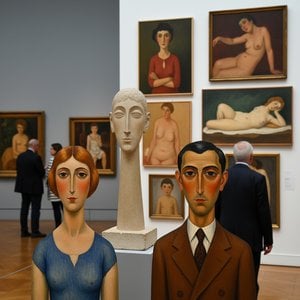
अमेडियो मोडिग्लियानी की 25 उत्कृष्ट कलाकृतियों का अन्वेषण करें! पोर्ट्रेट, नग्न चित्र और आधुनिक कला के भावपूर्ण संसार में खो जाएं। WahooArt.com पर उच्च-गुणवत्ता वाले कला प्रिंट और घर की सजावट के विचार खोजें।

Explore 10 iconic paintings with captivating 'mushroom' tones! Discover Van Gogh, Monet & Rembrandt’s masterpieces—earthy palettes, rich history & artistic techniques. Find museum-quality art reproductions and curated decor ideas at

Journey through 10 iconic paintings bathed in 'sand' tones – from Van Gogh to Monet. Explore the stories, techniques & warm palettes of these timeless masterpieces. Find museum-quality art reproductions at and bring classic beauty home.

Explore the captivating world of earth tones in art! Discover historical context, emotional resonance & artistic techniques behind these timeless colors. Find inspiration for your home decor and museum-quality reproductions.

Explore 10 iconic paintings dominated by rich clay tones – from Rembrandt's warmth to Van Gogh’s earthy landscapes. Discover art history, techniques & find museum-quality reproductions at . Explore the full collection online!

 पूर्वावलोकन देखें
 साझा करें
 साझा करें
 विस्तृत विवरण

 डाउनलोड करें
 समान कलाकृतियाँ
 एक्स-रे
 स्लाइड शो देखें
 पूरा देखें







 ग्लास का विकल्प केवल 110 सेमी से कम आकार में ही उपलब्ध है।


