Un Bastion du Réalisme : À la Découverte du Musée Courbet
Niché au cœur historique d'Oran, en France, le Musée Courbet s'érige comme un témoignage profond de la vision révolutionnaire de Gustave Courbet — un peintre qui osa dépeindre le monde non pas tel qu'il devrait être, mais tel qu'il était véritablement. Bien plus qu'un simple conservatoire de son art, ce musée offre un voyage immersif dans la vie et la philosophie d'un homme qui a fondamentalement altéré le cours de la peinture du XIXe siècle. Fondé en 1971, les origines du musée sont profondément personnelles, portées par le dévouement inébranlable de Robert Fernier à préserver l'héritage de Courbet au sein même de son lieu de naissance. Ce respect profond pour le patrimoine artistique crée une atmosphère où la frontière entre la vie de l'artiste et ses créations commence à se dissoudre, invitant les visiteurs dans un espace où l'histoire et la toile ne font plus qu'un.
La collection du musée est une exploration époustouflante du mouvement réaliste, comprenant plus de 400 œuvres qui illustrent principalement la maîtrise magistrale de Courbet dans le paysage et le portrait. Les visiteurs sont invités à contempler la beauté brute et sans artifice de la nature et de l'humanité à travers des pièces telles que La Partie de pêche , qui capture une scène côtière sereine avec une profondeur atmosphérique remarquable, et La Plage de Trouville , où l'approche stylistique de l'artiste défie les conventions académiques en privilégiant la représentation fidèle plutôt que la beauté idéalisée. La collection offre également des aperçus intimes de la vie domestique, comme on peut le voir dans des œuvres telles que La Femme au perroquet , un chef-d'œuvre captivant qui dépeint l'intimité et l'équilibre délicat de la nature. Pour les collectionneurs et les amoureux du beau, ces œuvres servent de rappel poignant de la capacité de Courbet à trouver l'extraordinaire dans l'ordinaire.
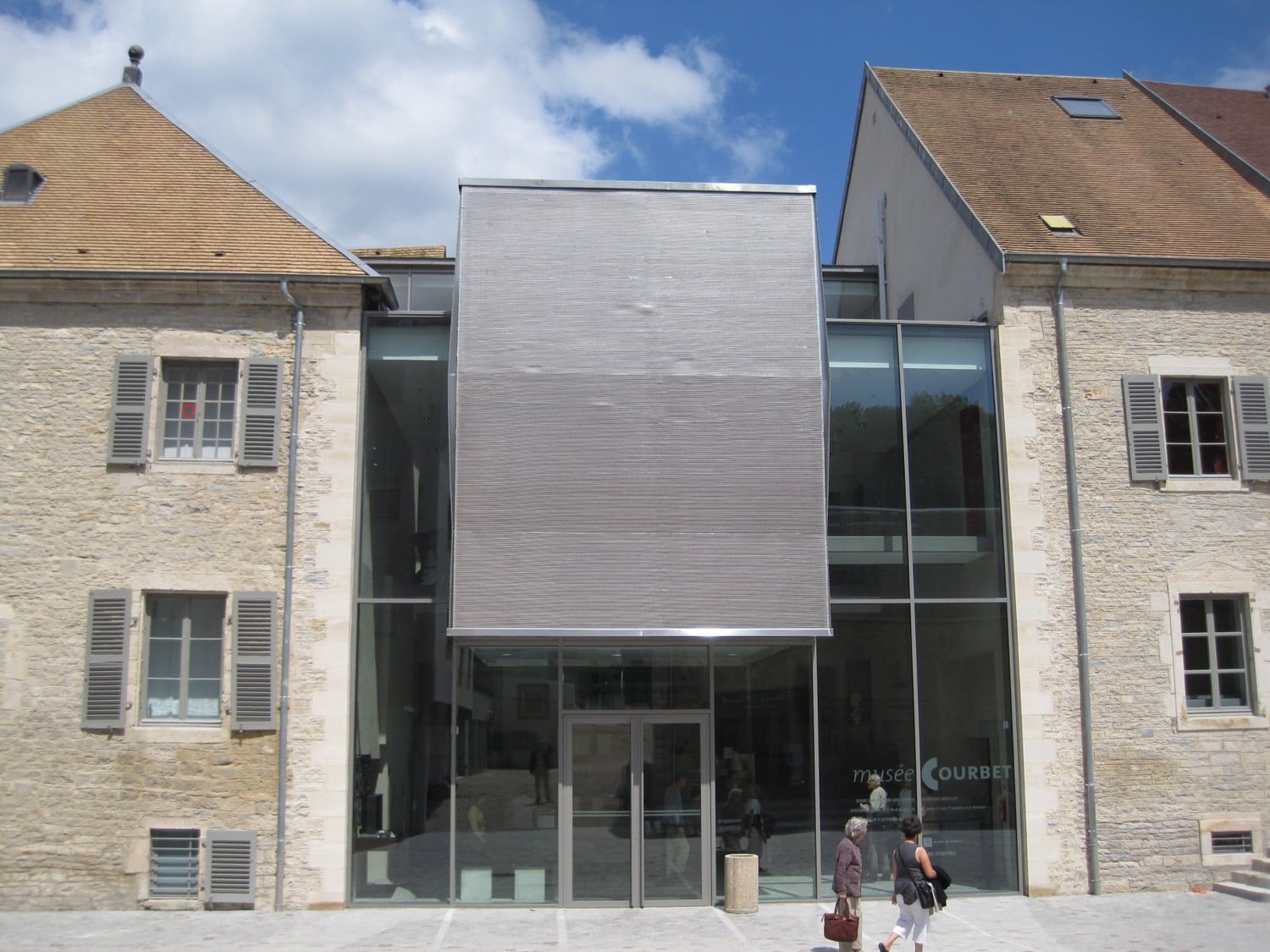
Le contexte architectural du Musée Courbet est aussi significatif que les toiles qu'il abrite. Le musée occupe l'Hôtel Hébert, la maison natale de Courbet — un édifice historique qui a été méticuleusement restauré pour refléter sa grandeur originelle. En déambulant dans ces salles, les visiteurs font l'expérience d'un mélange harmonieux de styles architecturaux, grâce aux extensions acquises en 1994 et 2003. Ce cadre offre une manifestation physique des racines de l'artiste, permettant à la pierre et au bois de sa maison d'enfance d'insuffler la vie à ses œuvres ultérieures, plus radicales. Le musée occupe également une place sombre et significative dans l'histoire, car sa collection comprend d'importantes œuvres d'art sauvées des Monuments, Archives, Objets de valeur Artistique, Historique, Scientifique ou Religieuse (MNR) pendant la Seconde Guerre mondiale, s'érigeant ainsi comme un symbole de résilience culturelle.
Ce qui distingue véritablement le Musée Courbet, c'est sa capacité à élucider les fondements philosophiques du Réalisme. Il n'est pas seulement une galerie de belles images, mais un lieu d'enquête intellectuelle. En rejetant les formes idéalisées au profit d'une représentation honnête, l'œuvre de Courbet a établi les bases de tout l'art expressif qui a suivi. Au-delà de la splendeur visuelle, le musée offre un aperçu inestimable de son processus créatif à travers des lettres et des documents préservés. Ces archives révèlent les pensées, les influences et l'esprit rebelle d'un artiste qui s'est fait le champion des sujets populaires et de la vie quotidienne. Pour le visiteur averti, le musée propose un aperçu captivant de l'esprit d'un révolutionnaire, garantissant que l'héritage de Courbet continue d'inspirer et de bousculer les publics pour les générations à venir.