premières années et jours de navigation
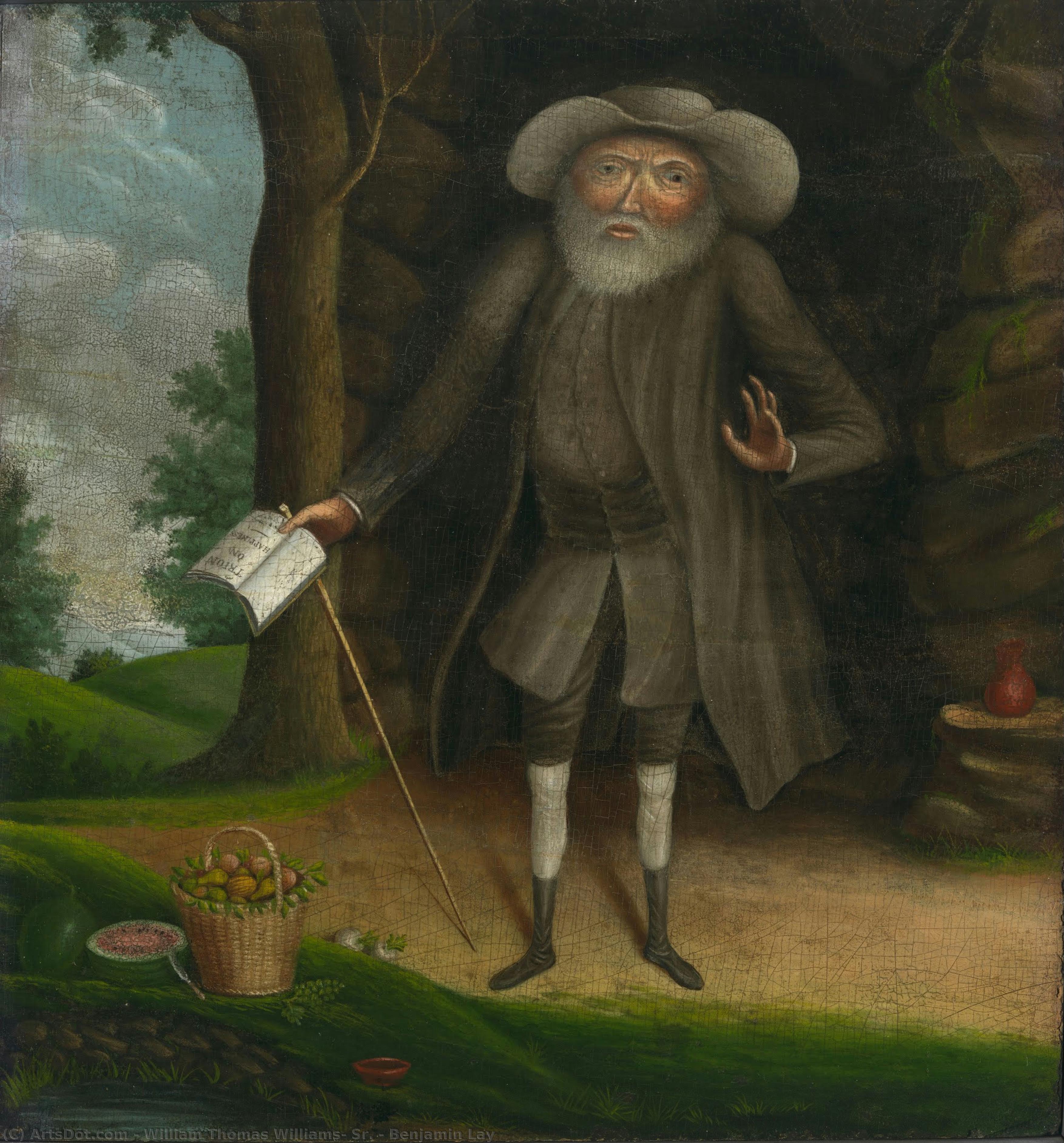
william thomas williams, sr., peintre et écrivain anglo-américain de renom, vit le jour en 1727 à Bristol, en Angleterre. Ses années de formation se déroulèrent à Caerphilly, au Pays de Galles, un lieu où il forgea un lien indéfectible avec l'océan. On croit fermement que Williams fut lui-même un marin durant sa jeunesse, une expérience qui allait marquer profondément ses futures aspirations artistiques.
carrière artistique et œuvres notables
La trajectoire artistique de Williams se distingue par une fusion singulière entre ses souvenirs maritimes et ses penchants littéraires. Il est l'auteur du
journal de llewellin penrose, marin, une œuvre souvent considérée comme le premier roman américain. Bien que l'ouvrage n'ait été publié qu'en 1815, son texte original ne fut révélé au grand public qu'en 1969.
philadelphie et héritage artistique
En 1747, Williams s'établit à Philadelphie, où il joua un rôle déterminant dans la fondation du tout premier théâtre d'Amérique. Son atelier d'art, baptisé
the sign of hogarth's head, devint un véritable foyer d'innovation artistique, accueillant des élèves illustres tels que le jeune benjamin west.
style artistique et influences
L'œuvre de Williams se caractérise par un mélange éclectique d'influences anglaises et américaines, reflétant son passé de navigateur et sa sensibilité littéraire. Son style, bien que peu documenté, semble avoir été façonné par la vogue artistique de l'époque pour les récits de voyages authentiques.
héritage et mémoire
Williams s'éteignit à Philadelphie en 1791, laissant derrière lui un héritage qui, bien que méconnu sur le moment, a apporté une contribution significative à l'histoire de l'art américain. Son parcours demeure le témoignage vibrant des influences transatlantiques qui ont façonné le monde de l'art.
points clés : - la vie de williams illustre la rencontre entre les aventures maritimes et l'expression artistique. - ses œuvres littéraires, bien que publiées tardivement, ont enrichi l'histoire de l'art américain. - l'école anglaise de peinture, par son mélange de talent local et d'influences internationales, a posé les fondements du style unique de williams.


 Acheter la peinture faite à la main
 Partager
 Partager
 Détails
 Guide imprimable

 Télécharger
 Articles similaires
 Voir le diaporama
 Statistiques


 Afficher la suite






































 L'option verre n'est disponible que pour les dimensions inférieures à 110 cm.


