
CONSEIL EN ART GRATUIT

x
Commander l'impression Commander l'impressionAcheter l'image haute résolution Acheter l'image haute résolution PartagerPartager
DetailsDetails Ajouter aux favoris Ajouter aux favoris TéléchargerTélécharger Articles similairesArticles similaires X-RayX-Ray DiaporamaDiaporama

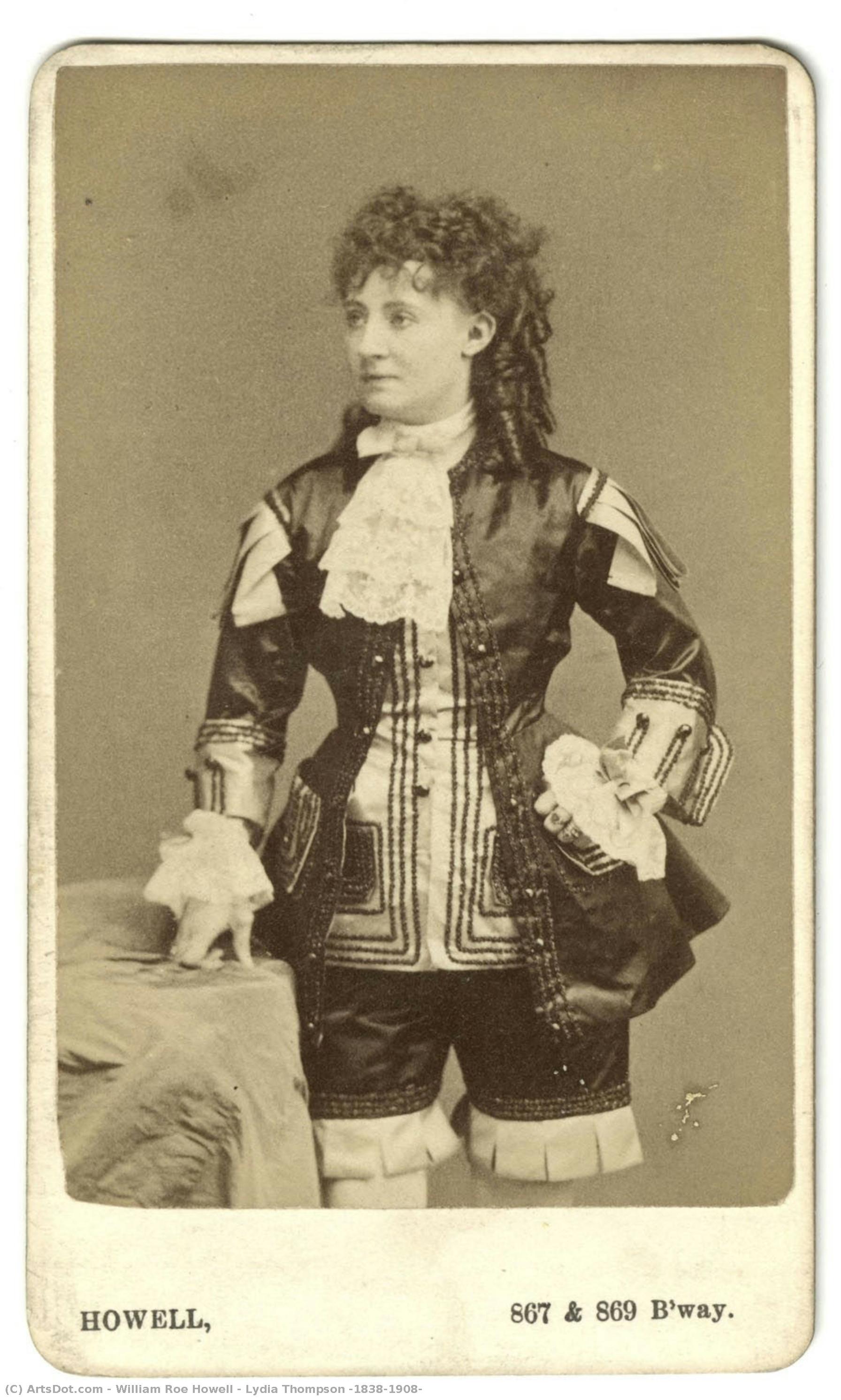
Lydia Thompson (1838-1908)

Explorez les portraits de William Roe Howell, photographe basé à NYC reconnu pour capturer les personnalités politiques et théâtrales emblématiques des années 1870. Découvrez son prix à Vienne et son héritage artistique : une étude fascinante du portraitisme victorien américain !

Reproduction à l'huile faite à la main

Huile sur toile peinte à la main, avec cadre et dimensions personnalisés, réalisée sur commande par nos artistes.

Standard
custom
CM
INCH

Choisissez parmi nos formats prédéfinis qui respectent les proportions originales de l’œuvre.

largeur
hauteur

Vous pouvez saisir vos propres dimensions pour l'adapter à un cadre ou à un espace spécifique. Si la taille sélectionnée ne correspond pas aux proportions de l'image d'origine, nous recadrerons l'œuvre ou prolongerons la peinture avec des éléments peints à la main supplémentaires. Une maquette numérique vous sera envoyée pour approbation avant le début de la production.
Veuillez noter que l'aperçu à l'écran ne reflète pas le recadrage ou l'extension réels. Seule la maquette montrera fidèlement la composition finale.
Bien que des tailles personnalisées soient disponibles, nous vous recommandons de sélectionner une dimension dans la liste prédéfinie afin de préserver les proportions d'origine.

Exemples de personnalisation : remplacer un visage par la photo du client ; ajouter un animal de compagnie (par exemple, remplacer un chat par un chien) ; inclure un message caché en arrière-plan ; modifier le paysage ou les éléments de l'arrière-plan.
Après la commande, l’équipe WahooArt.com contactera le client par e-mail pour obtenir ses instructions et lui fournira une maquette d’aperçu.

Livraison dans le monde entier () en 3 à 4 semaines au lieu des 5 semaines habituelles. (1 juillet). Aucune concession sur la qualité.

why_choose_icon
Livraison express gratuite dans le monde entier

why_choose_icon
Toile de lin de haute qualité
why_choose_icon
Assurance transport complète
why_choose_icon
Garantie de remboursement des frais de douane
why_choose_icon
Garantie de fidélité des couleurs
why_choose_icon
Politique de retour de 60 jours (uniquement en cas de défaut)
why_choose_icon
Garantie de remboursement à 100%
why_choose_icon
Réduction sur les achats groupés

Prix total

-

reproduction

Lydia Thompson (1838-1908)

Technique de reproduction

Format de reproduction

-

Prix total final

-

Description de l'œuvre

Born in Britain, Lydia Thompson succeeded as a dancer, comedian, director, and producer. In London she became a leading burlesque actress at age 13. In 1868 Thompson formed her notorious company, the British Blondes, and introduced burlesque to the U.S. Although Americans went wild for the British Blondes, Thompson drew savage criticism for the show’s bawdiness. When Chicago Times’ owner Wilbur Story blasted the troupe for indecency, Thompson and her husband set upon Story and horsewhipped him. Though Thompson was arrested and fined, she insisted that it was worth every penny.

Biographie de l'artiste

William Roe Howell: Capturing Victorian Celebrity Through Photography

William Roe Howell (1846 – 1890) stands as a fascinating figure in the annals of American photography during the Victorian era, primarily remembered for his portraits of prominent political and theatrical personalities. Born in Goshen, Indiana, he navigated a life marked by artistic ambition tempered by personal tragedy—a testament to both the glamour and vulnerability inherent in capturing moments of fame on canvas (or rather, albumen prints). His legacy resides not merely in the images themselves but also in their meticulous craftsmanship and profound reflection of the societal values of his time.

Early Life and Artistic Beginnings

Details about Howell’s upbringing remain elusive, yet he possessed a keen sensitivity to visual aesthetics from an early age. He pursued formal artistic training—primarily drawing and painting—establishing a foundational understanding of composition and tonal harmony that would later inform his photographic endeavors. This deliberate choice wasn't simply pragmatic; it represented a conscious alignment with the burgeoning field of photography, recognizing its potential to transcend mere representation and achieve a level of expressive depth unattainable by other mediums. The influence of Romantic painters like Eugène Delacroix—particularly their masterful use of color and dramatic lighting—is palpable in Howell’s stylistic choices.

Vienna Photo Prize Recognition

A pivotal moment arrived in 1873 when Howell secured a prestigious Grand Prize at the Vienna International Exposition, catapulting him to prominence within the photographic community. This accolade underscored his technical prowess – specifically utilizing the collodion process—which yielded images of unparalleled sharpness and detail compared to daguerreotypes or calotypes prevalent at the time. The Viennese exhibition served as an invaluable platform for Howell’s work alongside luminaries like Gustave Courbet and Julia Margaret Cameron, establishing him as a significant voice in shaping artistic discourse and demonstrating the transformative power of innovation within visual arts.

New York Studio and Artistic Output

Howell established his studio in New York City around 1875, cultivating a clientele comprised of influential figures—politicians such as Ulysses S. Grant and theatrical icons like Lillian Russell—whose likenesses graced numerous albumen prints. His portraits weren’t merely reproductions; they were carefully constructed narratives designed to convey character and status, reflecting the stylistic conventions of Victorian portraiture. Howell skillfully employed lighting and composition to create images that captured not only physical appearance but also psychological nuance – a technique honed through extensive observation and meticulous experimentation. He achieved remarkable results by mastering the subtleties of tonal gradation and utilizing techniques borrowed from Rembrandt’s chiaroscuro style. His output included portraits of notable figures like Theodore Roosevelt, capturing his commanding presence with impressive accuracy.

Tragic Decline and Legacy

Despite achieving considerable success in his artistic career, Howell’s personal life unfolded with profound sorrow. He endured the dissolution of his marriage, burdened by responsibility for five children—a circumstance that undoubtedly impacted his emotional equilibrium. In 1886, he attempted to relaunch a studio in Washington D.C., hoping to capitalize on burgeoning opportunities within the nation's capital; however, tragically vanished just weeks before its official opening, plunging his family into financial ruin and marking the abrupt cessation of an artistic journey that yielded a substantial body of work—primarily portraits—that continues to fascinate historians and art enthusiasts alike. Howell’s photographs offer invaluable insights into Victorian society and culture, preserving glimpses of celebrated individuals who shaped their time. He was buried at Slate Hill Cemetery in Goshen, Indiana.

Further Exploration

To delve deeper into William Roe Howell's artistic contributions and broader historical context, consider visiting these institutions:
  • The Sir William Dunn School of Pathology (Oxford)
  • Williams College Museum of Art
  • William Evans Bequest
William Roe Howell

William Roe Howell

1846 - 1890 , États-Unis

En bref

  • Artistic Movement Or Style: Victorian Photography
  • Artists Or Movements Influenced By This Artist: ['Photographic Realism']
  • Artists Who Influenced This Artist: ['George Eastman']
  • Date Of Birth: Goshen, Indiana
  • Date Of Death: 1890
  • Full Name: William Roe Howell
  • Nationality: American
  • Notable Artworks: ['Portrait of Theodore Roosevelt']
  • Place Of Birth: United States of America




































