Aperçu en situation Aperçu en RA Passer au format impression Acheter la peinture faite à la main Partager
Détails Guide Ajouter aux favoris Télécharger Articles similaires Radiographie Voir le diaporama Statistiques

Lion Hunt

Rubens’ “Lion Hunt,” a Baroque masterpiece brimming with dramatic movement and opulent color, depicts six hunters battling lions on the savanna—a visceral portrayal of courage and triumph by the Flemish titan.

Sir Peter Paul Rubens : Maître baroque ! Compositions dynamiques, couleurs éclatantes & œuvres iconiques comme 'La Massacre des Innocents'. Découvrez sa vie et son art.

Acquérez une image numérique haute résolution et optimisée, d'une qualité bien supérieure à l'aperçu en ligne.

Chaque fichier est méticuleusement préparé par nos spécialistes internes à l'aide d'outils avancés et d'une retouche manuelle experte. Nous garantissons que chaque image possède une clarté exceptionnelle, une précision des couleurs irréprochable et un niveau de détail fin.

Le fichier final est livré par e-mail sous 72 heures, optimisé pour une utilisation immédiate dans des contextes professionnels, éditoriaux et d'impression. Il offre la même qualité de confiance que celle utilisée par les plus grands studios de création, éditeurs et galeries.

Image numérique

Téléchargez un fichier haute résolution pour votre usage personnel, l'impression et vos projets créatifs. ( Passer au format impression Acheter la peinture faite à la main)

Prix total

$ 24,90

Inclus avec chaque commande d'image numérique

Livraison numérique experte, garantie.

En choisissant WahooArt.com, vous n'obtenez pas seulement une simple image : vous recevez une œuvre numérique sublimée avec professionnalisme, conçue avec précision et accompagnée d'une garantie de satisfaction. Voici tout ce qui accompagne automatiquement votre commande :

shipping_icon
Livraison rapide par e-mail

Votre fichier d'image numérique haute résolution vous sera envoyé par e-mail sous 72 heures après votre commande — prêt à un usage immédiat.

canvas_icon
Fichier numérique optimisé par l'IA

Votre œuvre d'art bénéficie d'une optimisation professionnelle grâce à des outils d'IA avancés et une retouche manuelle, garantissant un niveau maximal de détail, de clarté et de fidélité chromatique.

insurance_icon
Réexpédition gratuite à vie

Vous avez accidentellement supprimé ou perdu votre fichier ? Pas d'inquiétude — nous vous le renverrons gratuitement, quand vous le souhaitez.

tax_icon
Aucuns frais de douane — À jamais

Profitez de votre œuvre d'art instantanément sans frais de douane ni de livraison — les téléchargements numériques sont toujours exonérés de taxes.

color_icon
Garantie de fidélité des couleurs

Nous garantissons que votre image numérique reproduit les couleurs de l'original aussi fidèlement que possible grâce à des outils professionnels et une gestion rigoureuse des couleurs.

return_icon
Garantie de satisfaction de 100 jours

Si vous n'êtes pas satisfait de votre image numérique, nous la retoucherons ou vous rembourserons 100% sous 100 jours — sans poser de questions.

guarantee_icon
Garantie de remboursement à 100%

Pas satisfait ? Obtenez un remboursement intégral dans les 100 jours suivant la réception de votre fichier numérique — sans aucune question posée.

discount_icon
Remises sur les commandes groupées

Achetez 3 images, économisez 10% - Achetez 5, économisez 15% - Achetez 10+, économisez 20%. Idéal pour les projets créatifs, les galeries et les agences.

L'essentiel de l'œuvre

  • Dimensions: 249 x 377 cm
  • Title: The Lion Hunt
  • Movement: Baroque
  • Location: Alte Pinakothek, Munich
  • Notable elements or techniques: Dynamic composition; Rich colors; Expressive brushwork
  • Medium: Oil on Canvas
  • Artistic style: Highly charged; Sensual; Classical references

A Symphony of Motion and Majesty: Exploring Rubens’ “The Lion Hunt”

Peter Paul Rubens’ “The Lion Hunt,” completed in 1621, stands as a cornerstone of Baroque art—a testament to the era's obsession with grandeur, dynamism, and theatrical spectacle. Housed within the Alte Pinakothek museum in Munich, Germany, this monumental canvas transcends mere depiction; it embodies an emotional fervor that continues to captivate audiences centuries later.

  • Artist’s Vision: Rubens, a titan of his time, wasn't simply aiming for accuracy. He sought to convey the visceral thrill of the hunt—the confrontation between man and beast—through masterful composition and vibrant color palettes. Influenced by classical ideals of heroism and Christian narratives of triumph over adversity, Rubens infused his work with an unmistakable spiritual resonance.
  • Compositional Brilliance: The painting’s layout is deliberately unsettling yet undeniably compelling. Seven figures dominate the scene – six men on horseback and a dog—engaged in a perilous pursuit of lions across a grassy expanse. Rubens skillfully utilizes diagonal lines to propel movement, creating a sense of urgency and tension that draws the viewer into the drama unfolding before their eyes.

Technique: Oil Paint Mastery

Rubens’ unparalleled skill lay in his command of oil paint—a medium favored for its ability to achieve luminous colors and textural depth. He employed a technique known as “alla prima,” applying paint directly onto the canvas without extensive underpainting, resulting in an astonishingly immediate and expressive surface. The brushstrokes are bold and confident, capturing every nuance of muscle movement and animal aggression with breathtaking precision.

  • Color Palette: Rubens’ palette is dominated by rich reds, blues, and yellows—colors that evoke warmth, passion, and nobility. These hues aren't merely decorative; they contribute to the painting’s emotional impact, mirroring the fervor of the hunt and conveying a sense of heroic struggle.
  • Light and Shadow: Rubens expertly manipulates light and shadow to sculpt the figures and landscape alike. Dramatic chiaroscuro—the interplay between illuminated areas and darkened recesses—creates an atmosphere of suspense and intensifies the visual drama, highlighting the lions’ menacing gaze and emphasizing the hunters' determination.

Historical Context: Bavarian Patronage and Baroque Ideals

"The Lion Hunt" was commissioned by Maximilian I, Elector of Bavaria—a shrewd patron who recognized Rubens’ genius and sought to elevate his artistic reputation. The painting reflects the broader Baroque aesthetic—characterized by grandeur, emotional intensity, and a celebration of human achievement. It aligns perfectly with the Counter-Reformation's desire to inspire piety and reaffirm faith through art.

  • Symbolism: Beyond its depiction of hunting prowess, “The Lion Hunt” carries symbolic weight. Lions represent courage, strength, and nobility—qualities revered by rulers and artists alike. The hunt itself symbolizes the triumph of good over evil, mirroring biblical narratives of David slaying Goliath.

Emotional Resonance: A Portrait of Heroic Struggle

Rubens’ “The Lion Hunt” isn't merely a visual spectacle; it’s an emotional experience. The painting captures the palpable tension between man and beast—the hunters’ unwavering resolve against the lions’ ferocious attack. It speaks to our primal fascination with courage, resilience, and the pursuit of excellence. This artwork continues to inspire awe and admiration for its masterful execution and profound artistic vision.


Biographie de l'artiste

A Life Forged in Baroque Splendor

Sir Peter Paul Rubens, a name synonymous with the very essence of Baroque dynamism, was far more than simply a painter; he was a diplomat, a scholar, and a cultural architect who fundamentally reshaped the artistic landscape of 17th-century Europe. Born in Siegen, Germany, in 1577, his early life was marked by displacement—a formative experience that subtly permeated his later work with an undercurrent of drama and emotional depth. His father, Jan Rubens, a lawyer fleeing religious persecution for his Calvinist beliefs, uprooted the family from their native Antwerp, then under Spanish rule. This initial exile instilled in young Peter Paul a profound sense of resilience and adaptability—qualities that would serve him remarkably well throughout his multifaceted career. Following his father’s death in 1587, the family returned to Antwerp, where he received a humanist education before embarking on his artistic training around 1590, apprenticing under Tobias Verhaecht and Adam van Noort, honing foundational skills in drawing and painting techniques. However, it was his time with Otto van Veen that proved pivotal, exposing him to the rich legacy of Italian Renaissance art—a world he would soon embrace wholeheartedly. This early exposure to the works of Michelangelo, Raphael, and Titian laid the groundwork for his distinctive style, a synthesis of classical ideals and vibrant Baroque expression.

The Italian Awakening and Artistic Synthesis

In 1600, Rubens embarked on a transformative journey to Italy—a pilgrimage that irrevocably shaped his artistic vision. For eight years, he immersed himself in the masterpieces of Michelangelo, Raphael, and Titian, absorbing their mastery of form, color, and composition with an almost obsessive dedication. The influence of these Renaissance giants is readily apparent in his early Italian works, characterized by classical themes—mythological narratives, allegorical scenes—and idealized figures rendered with a breathtaking sense of beauty and grace. Yet, Rubens didn’t merely imitate; he synthesized these influences with his own innate talent, developing a distinctive style marked by vibrant hues, dynamic compositions, and a sensuous depiction of the human form. He studied anatomy meticulously, resulting in figures that possessed both physical realism and emotional power—robust bodies imbued with life and movement. His palette exploded with color – deep reds, rich blues, and luminous yellows creating an intense visual experience. He wasn’t simply copying; he was translating the spirit of the Renaissance into a distinctly Flemish idiom. This period wasn't solely about artistic development; it was a profound intellectual awakening, fostering a deep appreciation for classical mythology and literature which would become recurring motifs throughout his oeuvre. Upon returning to Antwerp in 1608, Rubens swiftly established himself as the leading artist of his time, receiving a flood of commissions that testified to his burgeoning reputation and solidifying his position at the forefront of Flemish art.

A Master of Many Forms: Painting Beyond Boundaries

Rubens’s artistic output was astonishingly diverse and prolific. He didn't confine himself to a single genre; instead, he excelled in history paintings—grand narratives depicting significant events from classical antiquity and biblical stories—mythological scenes brimming with fantastical creatures and dramatic action, portraits capturing the elegance and power of nobility, landscapes offering breathtaking vistas, and religious works imbued with profound spiritual meaning. His large-scale canvases, often intended for churches, palaces, and public spaces, were breathtaking displays of technical virtuosity and dramatic storytelling. The Descent from the Cross (c. 1616-1617), a monumental triptych housed in the Alte Pinakothek in Munich, exemplifies his masterful use of light and shadow to create a scene of profound emotional intensity—the grief and despair of Mary Magdalene contrasted with the stoic acceptance of Christ. The Raising of the Cross (1610-1611), with its swirling figures and dynamic composition, showcases his ability to convey movement and energy—a hallmark of his Baroque style. Even in seemingly static subjects like The Judgement of Paris (c. 1636), Rubens infused a sense of life and vitality through his vibrant color palette and sensual depiction of the human form. His technique was equally remarkable – a masterful command of oil painting, employing impasto to create texture and depth, alongside delicate glazing techniques to achieve luminous effects. He frequently employed allegorical figures and symbolic imagery, layering narratives with complex meanings that invited contemplation and interpretation.

Diplomacy, Legacy, and Enduring Influence

Rubens’s influence extended far beyond the realm of art. His diplomatic skills were highly sought after by the Southern Netherlands (modern-day Belgium), and he undertook numerous missions to England, France, and Spain, negotiating treaties and fostering political alliances—a unique dual role that afforded him a nuanced perspective on European affairs and further enhanced his reputation as a man of intellect and influence. He was known for his charisma, his generosity, and his ability to navigate the complex world of courtly politics. In 1630, he married Hélène Fourment, who became both his muse and frequent subject in his paintings – her youthful beauty gracing many of his later works, embodying the sensuality and vitality that characterized his style. He continued to paint prolifically until his death in Antwerp in 1640, leaving behind a vast legacy that continues to inspire awe and admiration. His impact on subsequent generations of artists is immeasurable; painters like Anthony van Dyck, Jacob Jordaens, and Eugène Delacroix all drew inspiration from his dynamic compositions, vibrant colors, and sensuous figures. Rubens didn’t just define the Baroque style—he elevated painting to a new level of prestige and influence, solidifying Antwerp as a major center of artistic production during the 17th century. He remains, centuries later, a towering figure in the history of art, a testament to the power of human creativity and the enduring allure of Baroque splendor.

Key Characteristics of Rubens’s Style

  • Dynamic Composition: Rubens' paintings are known for their energetic and dramatic arrangements of figures.
  • Vibrant Color Palette: He employed a rich, warm color scheme that brought his canvases to life.
  • Sensuous Figures: His depictions of the human form were characterized by fullness, vitality, and often, overt sensuality.
  • Masterful Use of Light and Shadow: Rubens skillfully manipulated light and shadow to create depth, drama, and emotional impact.
  • Allegorical Symbolism: His works frequently incorporated allegorical figures and symbolic imagery, adding layers of meaning and complexity.

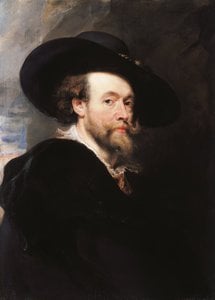
Pierre Paul Rubens

Pierre Paul Rubens

1577 - 1640 , Allemagne

En bref

  • Artistic Movement Or Style: Baroque
  • Artists Or Movements Influenced By This Artist: ['Anthony van Dyck']
  • Artists Who Influenced This Artist:
    • Michelangelo
    • Titian
  • Date Of Birth: 1577
  • Date Of Death: 1640
  • Full Name: Sir Peter Paul Rubens
  • Nationality: Flemish
  • Notable Artworks:
    • La Descente de la Croix
    • Massacre des Innocents
  • Place Of Birth: Siegen, Allemagne