Alfred James Munnings : Une Vie en Couleurs
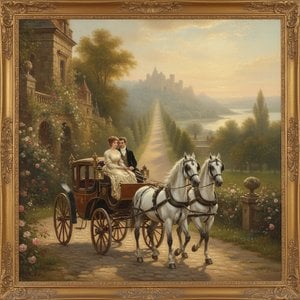
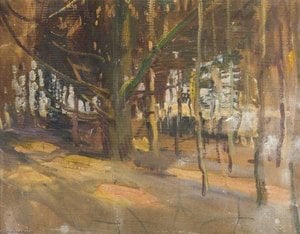
Sir Alfred James Munnings (1878-1959), connu sous le nom de AJ Munnings, fut l'un des plus grands peintres anglais de chevaux et un fervent défenseur de la tradition artistique, s’opposant vivement à l’essor du modernisme. Ses représentations vibrantes de la vie rurale, des scènes de chasse et des courses de chevaux ont consolidé sa place en tant que figure majeure de l'art britannique au cours de la première moitié du XXe siècle.
Jeunesse et Débuts Artistiques
Né le 8 octobre 1878 à Mendham Mill, Suffolk, Munnings a passé une jeunesse profondément ancrée dans la campagne. Son père était meunier et il a grandi entouré de chevaux – une influence qui allait dominer sa carrière artistique. Après avoir quitté Framlingham College à quatorze ans, il devint apprenti chez un imprimeur de Norwich pendant six ans, concevant des affiches publicitaires tout en étudiant simultanément à l'école d'art de Norwich.
Développement Artistique et Influences
La formation formelle de Munnings était limitée, mais il a perfectionné ses compétences par l’observation et la pratique. Il s’est associé à l’École de Newlyn des peintres en Cornouailles, un groupe connu pour sa peinture en plein air et ses représentations réalistes de la vie rurale. Là-bas, il rencontra Florence Carter-Wood, qu'il épousa en 1912. Ses premières œuvres se concentraient sur des scènes rurales, souvent mettant en scène des gitans et des chevaux. Il développa un style impressionniste, caractérisé par des coups de pinceau lâches et une attention particulière à la capture de la lumière et de l’atmosphère.
Les Années de Guerre et les Commandes
Pendant la Première Guerre mondiale, Munnings s'est porté volontaire pour le service mais a été jugé inapte au combat. Au lieu de cela, il a servi avec la brigade de cavalerie canadienne en tant qu’artiste de guerre officiel, documentant le rôle des chevaux dans le conflit. Cette expérience l'a profondément marqué ; il a été témoin de première main de la souffrance et de la perte aussi bien des hommes que des animaux. Il peignit des scènes près du front, y compris un portrait du général Jack Seely sur son cheval Warrior. Après la guerre, Munnings reçut de nombreuses commandes prestigieuses, établissant sa sécurité financière.
Réalisations Majeures et Reconnaissance
- Président de la Royal Academy : Élu président de la Royal Academy en 1944, il occupa ce poste jusqu'en 1949.
- Chevalier : Anobli en 1944 et nommé Chevalier Commandeur de l’Ordre royal victoire en 1947.
- Commandes d’artiste de guerre : Son travail documentant la cavalerie canadienne pendant la Première Guerre mondiale lui a valu une reconnaissance significative.
- Œuvre sculpturale : Il créa également des sculptures, notamment un statut équestre d'Edward Horner.
Un Critique du Modernisme
Munnings est peut-être tout aussi connu pour ses critiques acerbes des mouvements artistiques modernes tels que le cubisme et le surréalisme. Lors d’une diffusion célèbre – et apparemment en état d’ébriété – à la BBC radio en 1949, il a livré une critique cinglante de l'art contemporain, déclarant notamment qu'il rejoindrait volontiers Winston Churchill pour « donner des coups de pied dans… quelque chose quelque part » à Picasso. Ce discours a consolidé son image de défenseur des valeurs artistiques traditionnelles.
Vie ultérieure et Héritage
Munnings acheta Castle House à Dedham, Essex, en 1919, qui devint à la fois sa maison et son atelier pour le reste de sa vie. Après sa mort le 17 juillet 1959, sa femme Violet transforma Castle House en Le Musée d'Art Munnings, préservant ainsi son œuvre et son héritage. Aujourd’hui, Munnings est célébré comme un maître de l’art équin et une figure importante de l’histoire artistique britannique.
Signification Historique
Les peintures de Munnings offrent un aperçu précieux d'une époque révolue – un monde de chevaux, de chasse et de vie rurale qui disparaissait rapidement pendant sa vie. Son œuvre continue de résonner auprès du public aujourd’hui, non seulement pour ses compétences techniques, mais aussi pour son portrait évocateur d’un mode de vie chéri. Il reste un symbole de la tradition artistique et un rappel du pouvoir durable de la peinture représentative.



 Aperçu en situation
 Acheter la peinture faite à la main
 Partager
 Partager
 Détails
 Guide
Guide

 Télécharger
 Articles similaires
 Radiographie
 Voir le diaporama
 Statistiques

 Afficher la suite






































 L'option verre n'est disponible que pour les dimensions inférieures à 110 cm.